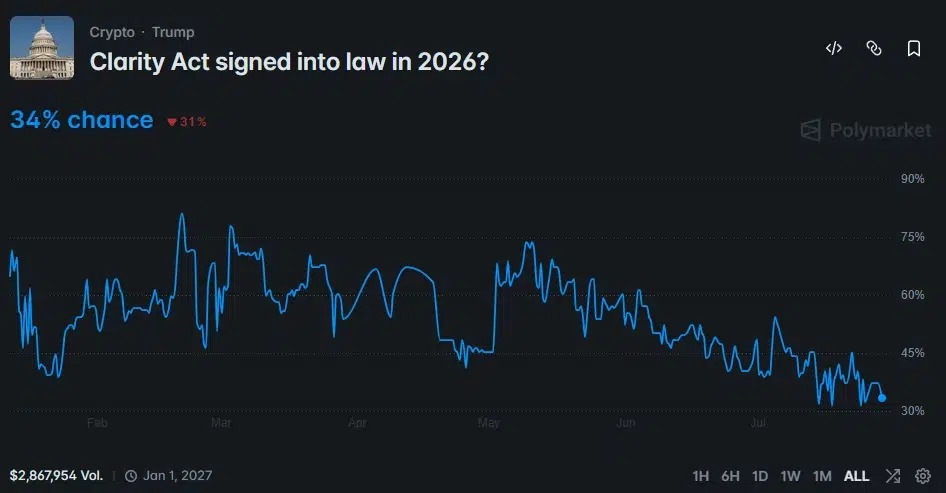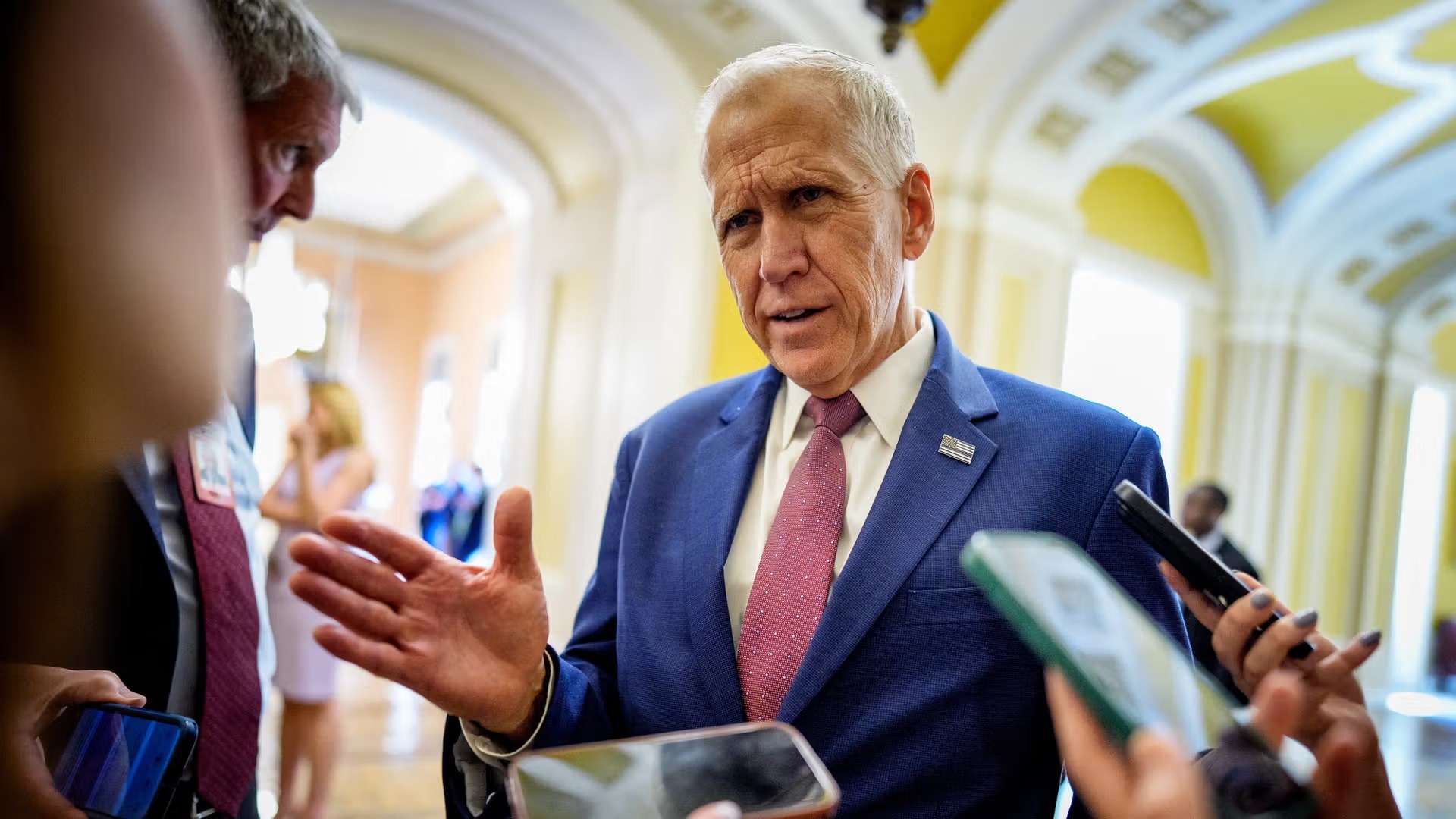


Sources say that U.S. Senators Thom Tillis and Ruben Gallego have finalized a compromise on some of the controversial provisions of the Clarity Act, with a focus on limiting conflicts of interest between government officials and the crypto industry. However, the new text has not yet been made public, and whether the bill will reach a substantive vote before the Senate recesses in August remains uncertain.
The controversy centers on ethical clauses
The Clarity Act is a cryptocurrency market structure bill being pushed forward by the U.S. Congress. Previously, a White House-backed version of ethics provisions attempted to restrict senior officials from having direct interests in cryptocurrency projects, widely believed to be related to the Trump family's cryptocurrency business.
Trump recently accepted a more restrictive version of the bill, but many Democratic lawmakers believe it lacks sufficient binding force and has limited room for practical implementation. Subsequently, Republican Senator Tillis and Democratic Senator Gallego intervened to coordinate a compromise that could garner more support.
The window of opportunity before the recess narrows
The market is watching this round of negotiations closely because it could determine whether the entire bill can move forward. Crypto industry lobbyists believe that if the conflict of interest clause passes first, the other parts have a better chance of proceeding through the Senate process.
With only days remaining before the Senate recess in August, any controversial bill requires a lengthy session, and the Clarity Act needs to overcome at least one 60-vote threshold to proceed to the next stage. Senate Majority Leader John Thune has also indicated that the bill is unlikely to complete the full voting process before the recess.
- With only about a week's agenda remaining before the August recess, the agenda is as follows:
- The bill needs at least 60 votes to move forward.
- Terminating the debate process may take several days.
DeFi and stablecoins still have differences.
Aside from ethical considerations, two other issues remain unresolved at the negotiating table. One concerns the wording related to DeFi, with a focus on whether developers will be considered regulated money transfer institutions. While some law enforcement groups have softened their earlier opposition, Democratic Senator Catherine Cortez Masto still wants to strengthen provisions to prevent illicit financial activities.
Another type of controversy stems from stablecoin reward mechanisms. The American Bankers Association recently sent another letter to Senate leadership, demanding further measures to prevent stablecoin issuers from indirectly providing deposit-like interest rates through rewards and incentives. The banking industry believes that the existing compromise is insufficient to resolve this issue.

Senate leadership has previously stated that whether to schedule a vote on the Clarity Act depends on whether Democrats are willing to provide enough votes. If the final version pushed through is one that Democrats have clearly opposed, the vote may reflect more of a political statement than a genuine completion of bipartisan negotiations.