

Congress has left Washington and entered the last recess before the election, so it's time to assess the situation before November.
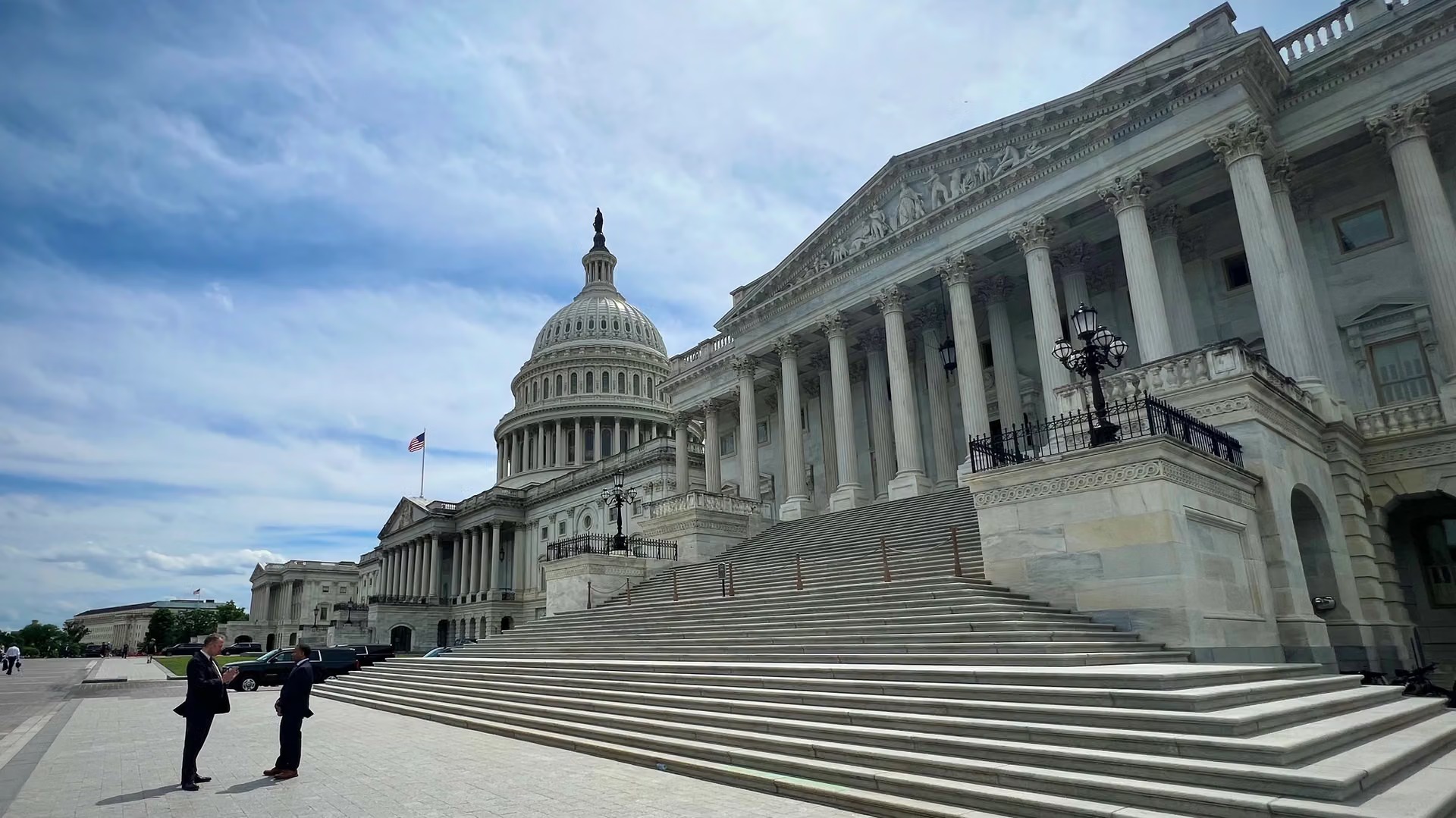
The United States will hold mid-term elections in a month, on November 3rd. The results of these elections will determine whether the Republican Party or the Democratic Party will control the House of Representatives and the Senate, which in turn will influence what the cryptocurrency industry (and, I believe, other industries as well) will look like next year.
Narrative
Midterm elections are scheduled to take place on November 3, 2026. As of Friday, October 2, 2026, polls indicate that the Democratic Party will take control of the U.S. House of Representatives, while the Senate is still evenly divided between the two parties.
Why it's important
Although the crypto industry is currently more concerned about what federal regulatory agencies will do after the failure of Clarity Act last month, Congress will still play an important role next year. Legislators are now studying crypto taxation legislation in more detail, and hearings are expected to be held as well.
Decomposed and looked at...
With one month left until the election, polls (as well as recent headlines) indicate that the Democratic Party currently has the upper hand. A comprehensive poll from the website 270towin shows that the Democratic Party is set to take control of the House of Representatives, but it is still difficult to determine which party will ultimately win the Senate.
If we refer to the prediction market platform Kalshi, as of 5 p.m. Eastern Time on Friday, bettors believed that the Democrats would take control of both the House of Representatives and the Senate. The same was true for Polymarket.
Briefly explain the stakes of this election: The composition of the next congress will affect how regulatory agencies are supervised, whether more crypto legislation will be introduced in the near future, and what crypto companies need to do to maintain their relationship with the majority party.
In the coming year, the U.S. Securities and Exchange Commission (SEC), the Commodity Futures Trading Commission (CFTC), the Federal Reserve Board of Governors (FRB), the Treasury Department, and other agencies will all advance rule-making efforts; clearly, Congress also plays a rather important role in overseeing these regulatory agencies. The Clarity Act section is intended to define how these agencies will interact with the crypto industry, and Congress will also need to approve the budgets of these regulatory agencies next year.
Congress will also see where legislation goes from there. Members of Congress may consider a new market structure bill, but it is not yet clear how that will proceed. What is more certain is that Congress will address tax legislation. Last month, the House Ways and Means Committee passed an encryption tax bill with strong bipartisan support, and Senator Steve Daines also submitted an encryption tax bill to the Senate last week.
Of course, the industry is also concerned that if Democrats take control of Congress, they may summon those crypto companies that were deeply involved in the operations of the Trump administration, due to concerns about their association with Trump's crypto business.
Since the voting began, the participation of the crypto industry in the elections has been limited: The Fairshake Super Political Action Committee, funded by several industry companies, as well as the Digital Freedom Fund committee, primarily funded by Gemini founders Cameron Winklevoss and Tyler Winklevoss, have announced plans to invest $30 million and $30 million respectively, with their targets being former Senator Sheldon Brown.
For now, at least it seems that these are all there are. Fairshake told CoinDesk on Wednesday that there are no more expenditures to announce for the time being. As November 3rd approaches, the cost of temporary advertising may become increasingly high.
This week
Congress is on recess this week.
You can also join the Telegram group discussion.

See you next week!