

The author states that with the swearing-in of a new Congress, progress in crypto regulation will essentially be reset, as the key senators who pushed for the legislation will not be participating in the next round of elections.

Sisyphus was punished by the gods to push a boulder to the top of a mountain, only to watch it roll back down again and again. After years of efforts to clarify regulations, it seems that the crypto industry is also destined for a similar fate. The latest attempt—a document spanning a full 635 pages—has once again rolled down the hill.
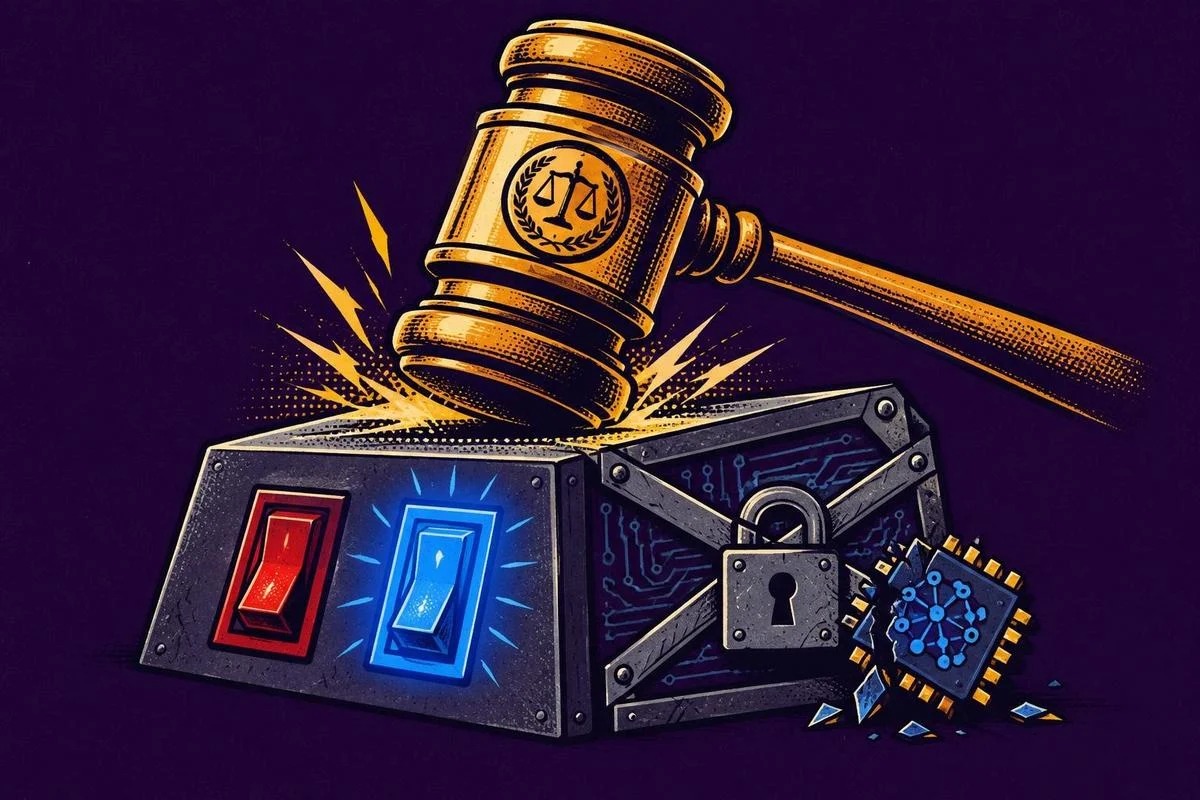
The U.S. Senate recently failed to advance the Digital Asset Markets Clearing Act ( Digital Asset Market Clarity Act ), also known as the Clearing Act ( Clarity Act ). With the mid-term elections approaching, there is no realistic path to reinstate this bill before the end of this year.
As the name implies, the Clear Act aims to establish a market structure framework: to classify crypto tokens legally, to issue licenses to companies that trade these tokens, and to determine how regulatory powers should be allocated between the Securities and Exchange Commission (SEC) and the Commodity Futures Trading Commission (CFTC).
Ryan Chan - Wei are researchers at the Center for Monetary and Financial Alternatives at the Cato Institute ( Cato Institute ).
If approved, this bill could unleash the tremendous potential of the crypto industry, including expanding financial inclusivity and reducing costs of cross-border payments. To achieve these goals on a large scale, it depends not only on technological innovation. Before the rules are clearly defined, regulatory agencies will naturally hesitate to invest capital, and ordinary Americans also have no reason to trust a market that is not fully regulated.
Congress has long recognized the need for a comprehensive regulatory framework. Legislative efforts can be traced back to the 2018 Token Classification Act ( Token Taxonomy Act ), and since then, multiple attempts across four sessions of Congress have ended in failure, although none have come closer to success than the Clear Act.
When the new Congress takes oath of office, progress will essentially be reset, as the key senators who pushed for this bill will no longer be participating in the next round of elections. Senator Cynthia Lummis from Wyoming, a Republican and the chairman of the Senate Banking Committee's Digital Assets Subcommittee, will retire, as will Senator Thom Tillis from North Carolina; he helped facilitate a bipartisan compromise regarding stablecoin incentives, thus paving the way for the Clear Act to pass within the committee.
What makes this bill even more disheartening is that the most difficult part has actually been completed. The fundamental issues regarding market structure have been largely resolved, which also explains why there is such rare and widespread support for this bill from various alliances. Wall Street and the crypto industry are generally considered unlikely allies, but companies such as Goldman Sachs and BlackRock also support the Clear Act.
For legislation of such a scale, it is already rare to achieve complete consistency in every detail, and it is inevitable that there will still be a small number of unresolved issues. However, what ultimately hindered the bill were ethical concerns, specifically the risk of potential conflicts of interest at the highest levels of government. The United States has reaped limited benefits from the crypto industry, which is widely perceived to be rife with corruption and self-interest behavior, and maintaining public trust is of paramount importance.
Even so, it is still wrong to sacrifice the Clear Act on the altar of ethical issues, because even if the act passes, Congress can still address these concerns through other legislative avenues.
Behind all this is also an issue of fairness. Almost every other part of the U.S. financial system operates within clear regulatory boundaries; companies know what rules govern them and which regulatory agencies are responsible for enforcement. However, the crypto industry does not have such legal boundaries. In many other developed economies, from the European Union and the United Kingdom to Japan and Singapore, such boundaries have already been established. International precedents should not determine U.S. policy, but it is noteworthy that so many countries have already addressed this issue.
The next congress must complete the unfinished tasks of its predecessors. For nearly a decade, crypto regulation has been laboriously pushed uphill only to roll back down again and again. At least Sisyphus has paid a price for his fate: he betrayed the gods and deceived death twice. No matter how many shortcomings the crypto industry has, it does not deserve such punishment.

Note:The views expressed in this article represent solely the author's own opinions and may not necessarily reflect those of CoinDesk, Inc, or their owners and associated parties.