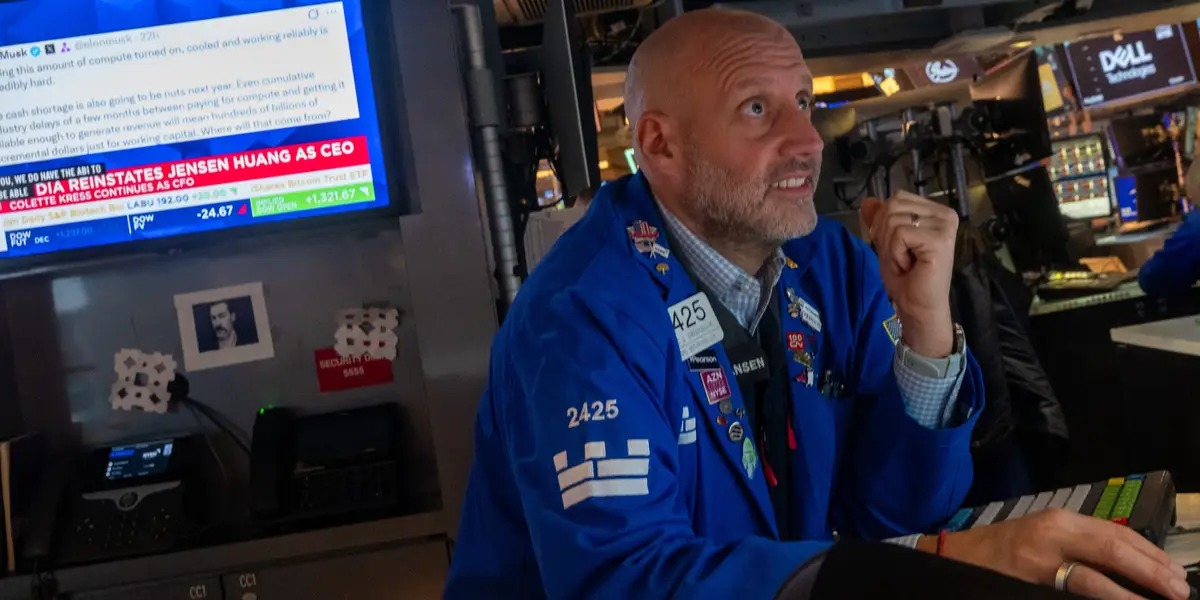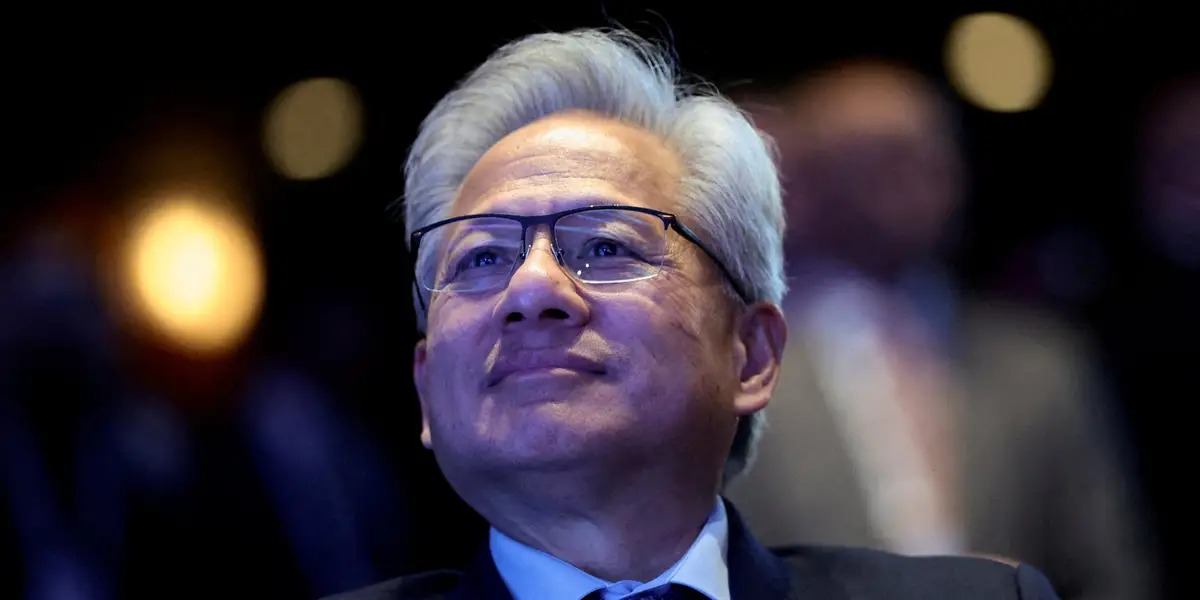


It is reported that on Monday, just a day after resuming his role as NVIDIA's CEO, Jensen Huang told his colleagues that he "does not believe in succession planning," as it would imply that some executives are more important than others. This view is consistent with NVIDIA's unusually flat organizational structure at the top levels, but given the recent leadership turmoil the company has experienced, this statement is also quite noteworthy.
"If the CEO were to be hit by that legendary bus, someone would have to take responsibility for it," said Umesh Ramakrishnan, co-founder and chief strategy officer of the headhunting company Kingsley Gate.
Assuming that Jensen Huang, like all of us, is mortal, NVIDIA will ultimately need a new leader. Although he may not believe in the succession plan, corporate governance experts say that the board of directors has a responsibility to prepare for a future without him.
"Beyond individuals, life goes on; when a board of directors becomes overly dependent on one person, they make a serious mistake," said Charles Elson, the founding director of the Corporate Governance Center at the University of Delaware Weinberg.
Avoid making the current CEO a “lame duck”.
On Wednesday, S&P Global Ratings put NVIDIA's AA credit rating on a watchlist for possible downgrading due to concerns regarding its management and governance. S&P stated that if governance deficiencies are still identified within 90 days, the rating may be lowered.
"Weak executive supervision and a lack of succession planning have brought the issue of 'key personnel' risks to the forefront," S&P said. "The fact that the CEO was reinstated after leaving his position is not sufficient to answer our questions regarding the board of directors' oversight of executive codes of conduct."
It is not uncommon for a company to lack an succession plan. A survey conducted by NASDAQ in 2025 among approximately 700 board members, CEOs, executives, and governance professionals found that 21% of them indicated that their boards did not have a succession plan, while another 16% stated that they only had emergency plans in place.
Ramakrishnan says that companies that are truly preparing for leadership changes tend to keep a low profile about their plans, in order to avoid making the incumbent CEO a "lame duck" or prompting overlooked candidates to resign. He added that boards of directors should start preparing well in advance of a crisis by nurturing two to three truly competitive internal candidates, assigning them substantial operational responsibilities, and designing incentive mechanisms to encourage them to stay during the transition period.
At NVIDIA, Jensen Huang has approximately 60 direct subordinates. This unusual structure is said to help maintain information flow and empower employees. Some leadership consultants argue that the downside of this approach is that executives responsible for various business segments of the company may not be ready to take over the entire company.
A senior partner from a leadership consulting firm, David Astorino, previously stated about Business Insider, "It's hard to imagine that anyone among these direct subordinates could possess the sufficient scale, scope, and experience to be qualified for the position of CEO."
"A Card House"
Elson said that just 11 days after announcing Jensen Huang's resignation, NVIDIA's board of directors brought him back to a leadership position, which also indicates that the directors are unwilling to challenge him.
As Jensen Huang resigned, it was revealed that he had an intimate relationship with a client; American officials expressed concerns that he might become a target of foreign intelligence operations; there were also reports that he had extramarital affairs with two employees, one of whom was his direct subordinate.
“Considering what has already happened, he has essentially lost all accountability,” Elson said when talking about Jensen Huang. “I mean, if none of that was enough to make him leave, then what could possibly be?”
NVIDIA's board of directors stated that the reason for reinstating Jensen Huang is their satisfaction with his "honesty" and because they received "advice from senior levels of the U.S. government."
However, former Apple and Google executives, as well as co-founder of a leadership training company Kim Scott, stated that if NVIDIA becomes too dependent on Jensen Huang, the company will be vulnerable.
“If everything depends on him, then it’s a house of cards that will eventually fall down,” she said.
As for Jensen Huang himself, he acknowledges that he will not live forever and implies that his successor could reshape NVIDIA according to his own leadership style. Earlier this year, he told Y Combinator, the CEO of a startup accelerator, that he expects to die in his position.
"The next CEO, no matter what their personality is, will be able to find their own way," he said.