The UK's OakNorth has obtained a federal banking license from the United States, claiming to be the first foreign digital bank to do so. With international competitors vying for a share of the US market, this development has attracted significant attention.
According to the approval document issued by the Federal Reserve Board of the United States ( Office of the Comptroller of the Currency ) on November 19th, this license has cleared the way for OakNorth to acquire Community Unity Bank in Michigan, provided that $80 million in capital is injected. OakNorth is supported by a private equity firm owned by Jared Kushner.
The transaction is expected to be completed by the end of 2026, by which time OakNorth will be able to provide loans, accept deposits, and carry out other banking services in all 50 states of the United States.
The private equity firm Affinity Partners, which holds the OakNorth 8% stake in 2025, is backed by major Gulf investors including sovereign wealth funds from Saudi Arabia and Qatar. SoftBank is also an investor in OakNorth.
It was disclosed in the annual report that the pre-tax profit for 2025 was 295 million US dollars, which is higher than the 280 million US dollars of the previous year and also nearly three times the profit of 100 million US dollars from five years ago.
This line indicates that among the $20 billion in credit lines issued over the past 10 years, the total loss was only 9 million pounds, which is less than 0.05%. According to the rankings by The Banker ( The Banker ), its return on assets of 1.4% places it among the top five banks in Western Europe and within the top 1% of global commercial banks.
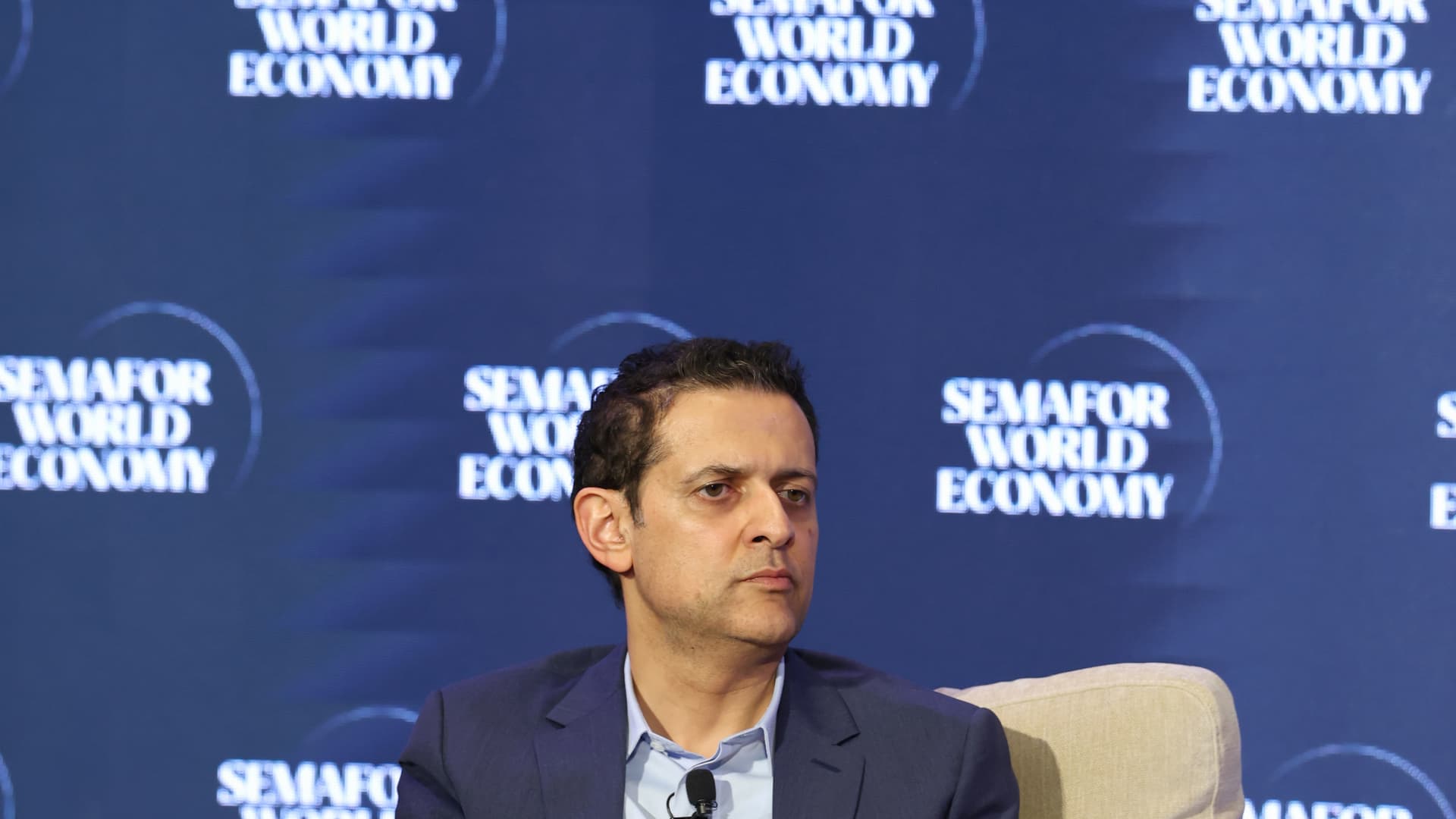
The Chief Executive Officer Rishi Khosla stated on Monday in the program Squawk Box Europe on CNBC: "I would say that the level of animal spirit in the United States is always higher, right? So the business momentum and optimism are always one step further ahead."
He said that U.S. economic growth, investment in artificial intelligence, and infrastructure spending will create opportunities for the bank.
OakNorth has always focused on lending to mid-to-low-end and medium-sized enterprises, rather than competing for retail customers in the highly competitive American market.
The target customers for this product are enterprises with annual revenues ranging from 5 million US dollars to 100 million US dollars, and the loan amounts range from 5 million US dollars to 50 million US dollars. OakNorth entered the US market in 2023 and has since lent approximately 3.5 billion US dollars to American enterprises. By 2025, the US market will account for 40% of its new loans, which total 12.4 billion US dollars.
Khosla said, "These are indeed growing companies that are in the expansion phase. Based on this positioning, no institution has focused on this customer group in the past few decades, which opens up opportunities for us."
He mentioned that commercial real estate loans in the United States represent a particularly strong growth opportunity.
OakNorth Overcomes Strict Regulatory Barriers
Obtaining a bank license has always been extremely difficult, with numerous regulatory obstacles. OakNorth spent 20 months reorganizing the company's ownership structure and moving its holding company from Jersey to the UK to meet the requirements of the Federal Reserve.
Other international fintech companies seeking to establish a foothold in the United States also faced difficulties making progress. Monzo and Revolut withdrew their initial applications for a full U.S. banking license between 2021 and 2023 due to regulatory obstacles.
Monzo closed its operations in the United States in April, four years after launching its business there, amid fierce competition in the retail market at that time. The company stated, "We have made a strategic decision to focus on expanding in our home market and Europe, and to withdraw from the U.S."
However, the regulatory environment has since changed. Revolut and Nubank in Brazil have received conditional approval from the Federal Reserve Bank of the United States for bank licenses in the US.
Dutch digital bank Bunq resubmitted its application after withdrawing it in 2023, but its second application was rejected in August.
Another British digital lending institution, Starling, is also seeking growth in the United States. The company sells its Engine banking software to mid-sized lending institutions in the US and is looking to acquire a local bank to serve corporate customers.