Saudi Arabia and Bahrain claimed that they were attacked over the past weekend by forces associated with Iran; meanwhile, Iran's foreign minister stated that the government is still willing to reach an agreement to end the war with the United States.
The Saudi-led “Coalition to Support the Legitimate Government of Yemen” stated on X on Sunday: “We intercepted and destroyed a drone launched by Houthi terrorist militia towards the Riyadh area.” This coalition has been leading operations against this Iran-backed organization.
Later on Saturday, the alliance also stated that its air defense system "intercepted and destroyed a ballistic missile" launched by the Houthi rebels from Yemen, which was aimed at Saudi Arabia's western regions. These regions include some of Saudi Arabia's sensitive energy refining and export infrastructure.
Neighboring Bahrain also stated that it had been subjected to fire attacks from Iran.
The Bahraini Ministry of Interior stated on X, "Due to this despicable Iranian aggression, a civilian industrial facility was attacked, and a fire broke out at the scene." The ministry later reported that the attack resulted in two injuries, including one Bahraini citizen and one Pakistani resident.
Bahrain is the base for the U.S. Navy’s Fifth Fleet.
Iranian state media reported later on Saturday that the country's Islamic Revolutionary Guards launched missiles and drones at American military facilities in Bahrain.
Another report from Iranian media claimed that the Revolutionary Guards' air defense system intercepted and destroyed an American MQ-9 drone.
The United States Central Command did not immediately respond to the request for comments on these two Iranian reports from CNBC.
Seeking a final agreement
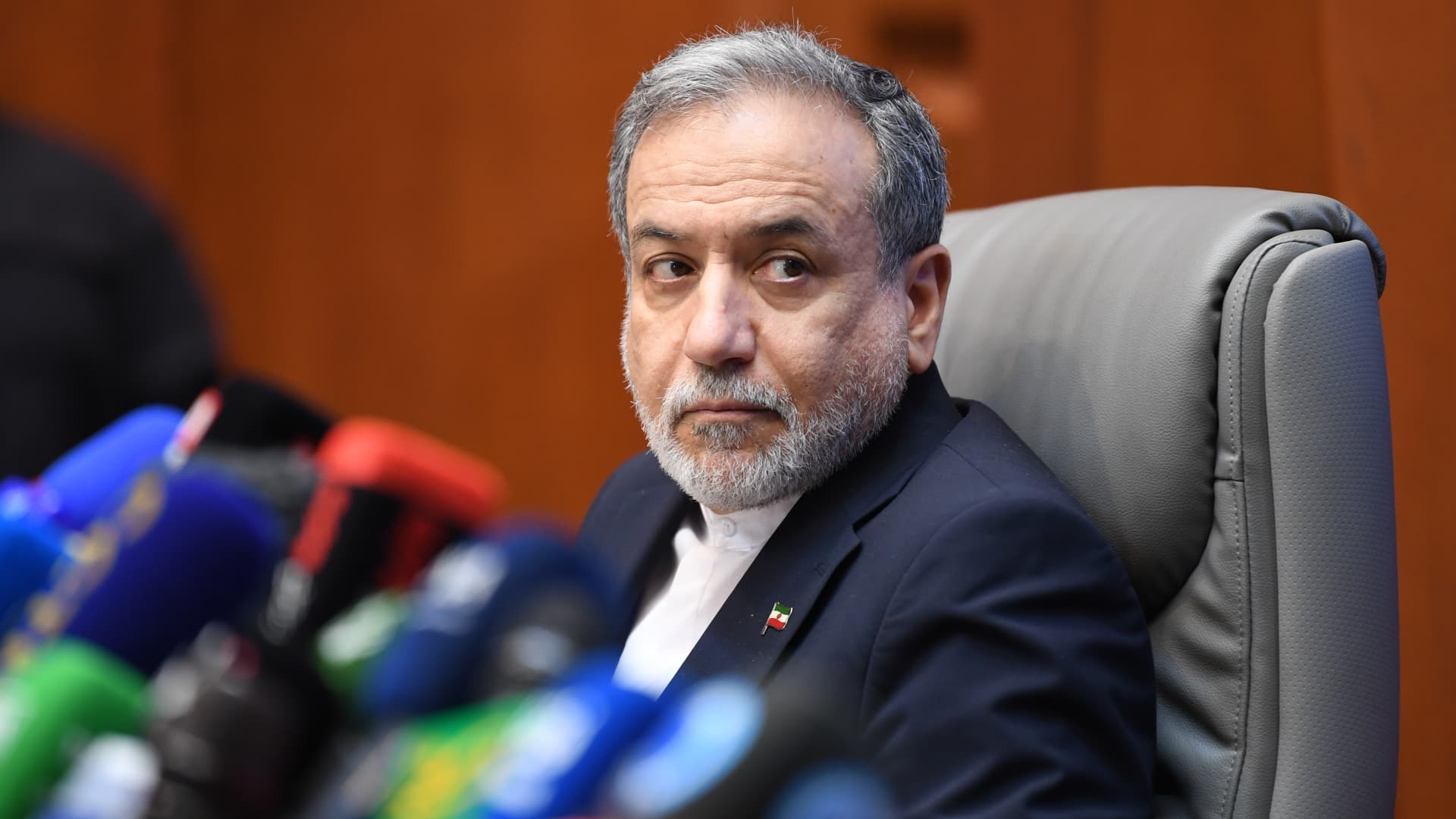
At the same time, Iranian Foreign Minister Abbas Araghchi stated that the government is still willing to reach a solution to the war through negotiations. Previously, President Trump and Iranian President Hassan Rouhani signed an agreement in June aimed at promoting a permanent peace agreement—the so-called "Islamabad Memorandum of Understanding"—which later collapsed.
Alagzi told the Iranian News that: "The Islamabad Memorandum of Understanding is no longer on the table, nor does it have any relevance for implementation anymore."
"However, the commitments that the United States has accepted in this memorandum, and the principle that the implementation of these commitments can pave the way for reaching a final agreement, are still accepted by both parties," he said.
This war began on February 28th with airstrikes by the United States and Israel against Iranian targets, which subsequently led to severe disruptions in energy transportation through the Strait of Hormuz, located between Iran and Oman.
The UK Maritime Trade Operations Agency reported that on Saturday, two oil tankers near Oman were hit by unidentified projectiles.
Iran has imposed restrictions on vessels passing through the Strait of Hormuz, which is also a major point of contention in negotiations with the United States.
However, due to traders weighing the strong supply from the Middle East against rising inventories in the United States, oil prices have been falling for three consecutive weeks.
International benchmark Brent crude oil fell by 3.4% this week, while US crude oil dropped by 5.2%.