

NVIDIA's board of directors and the interim CEO did just the right thing on Tuesday; they managed to hold off the growing camp of Jensen Huang's supporters for now. It should last for at least a few days.
Yorkville Ives & Co. Technology analyst Dan Ives wrote in a report to investors after NVIDIA announced its financial results: "A clean quarter and guidance strengthened the board of directors' confidence, but it did not resolve the issue."
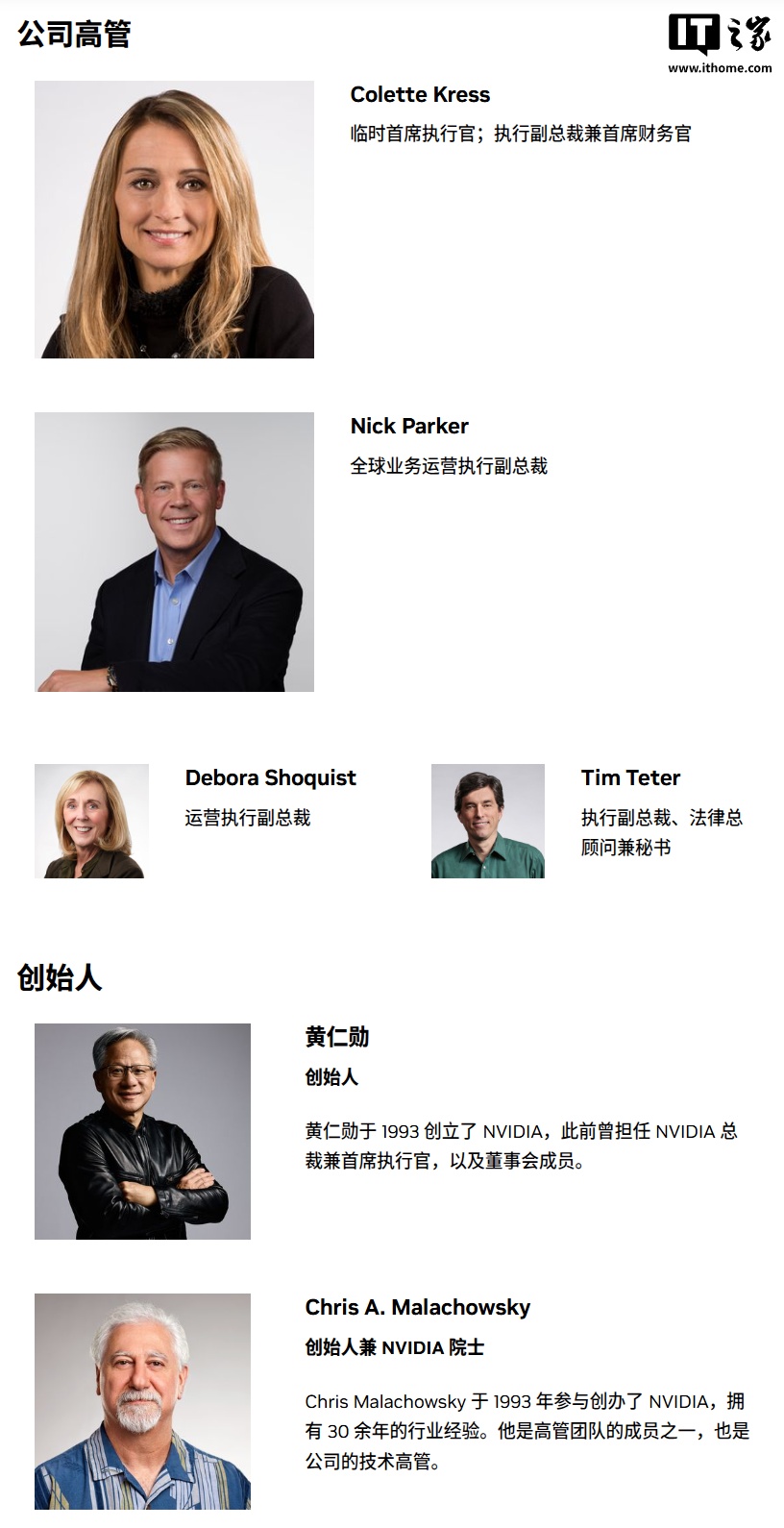
I listened to NVIDIA's earnings conference call, and I felt that Colette Kress and Harvey Jones, the Chairman of the Board, performed quite well under exceptional circumstances.
As soon as Jones took the stage, he went all in. He stated that the board of directors has no intention of allowing Jensen Huang to return and made it clear that the issue regarding this person who was removed from his position CEO is not within the scope of discussion.
Subsequently, Kress quickly brought some welcome news. She raised NVIDIA's revenue growth expectations for the fiscal year 2028. She also addressed concerns that the company might have to compete by lowering prices, stating that profit margins would rebound after a decline in this quarter.
So far, everything has been quite good.
Jones also stated that NVIDIA will consider both internal and external candidates for the position of the next CEO.
This reminds me of the most intriguing moments during phone calls.
A Strange Scene with Ian巴克
At the beginning of the Q&A session, NVIDIA announced that Ian Buck, Vice President and President of Hyper Computing and High-Performance Computing, would answer analysts' questions alongside Chris.
This is a major event.
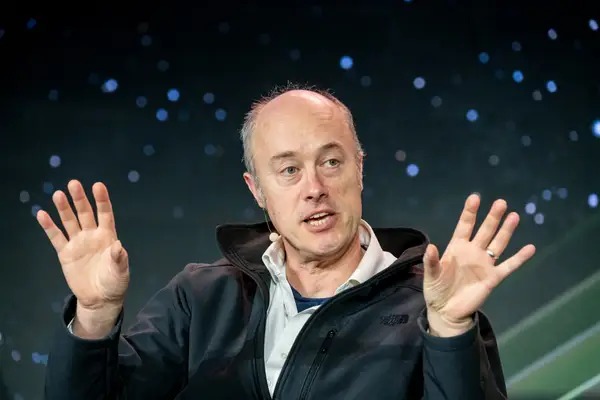
Buck is a serious technical expert who has helped invent CUDA – the software that makes NVIDIA's chips so useful in the field of artificial intelligence. He has been working at the company for over 20 years and maintains close relationships with the company's largest clients.
Business Insider There was a great profile of Buck before, and he has become one of Jensen Huang's potential successors.
When asked about Buck appearing at the conference call, Ivs said, "He's already on the shortlist."
At that time, NVIDIA seemed to have almost perfectly arranged the situation. The board of directors ruled out the possibility of Jensen Huang's return, Chris reassured Wall Street about the business, and a respected internal technical leader was also introduced to investors.
Great.
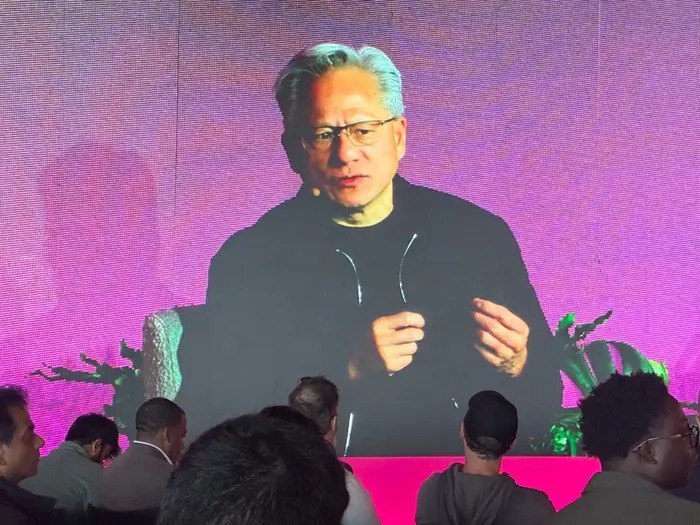
Buck just didn't say anything else afterwards.
Not a single word.
I was waiting all the time to see if any analyst would ask him questions. No one did. Buck also never took the initiative to add any additional information on his own.
This is too strange.
If you are regarded as one of the potential CEO of the most important companies in the world, and you also have the opportunity to speak directly to Wall Street during a leadership crisis, surely you would have something to say, right?
Perhaps what NVIDIA wants is a strong, silent successor to CEO. (Jensen Huang hasn't been quiet at all recently.)
Jokes aside, if I were a serious NVIDIA investor, I would want to hear what巴克 (Barker) has to say.
After the phone call, Eves said to me, "That's strange, but this whole thing has always been strange to begin with."
Jensen Huang's Return to Action
Shopify CEO Toby Luertke wrote on X after the earnings announcement on Tuesday: "It's most beneficial for all of us that he has returned to NVIDIA." He added that founders like Jensen Huang can never truly be replaced.
Eves also agrees with this point. He wrote, "The 15% threshold for special meetings, the pressure from aggressive investors, and the stance of the Ministry of Commerce in export investigations will still be the next steps in this drama."
Subsequently, they may seek to replace the director with someone who supports Jensen Huang's reinstatement. The new board of directors can then reappoint him as CEO.
According to the current valuation, 15% of NVIDIA's shares are worth over $500 billion. Jensen Huang holds approximately 3.5% of those shares, which means that supporters still need an additional 11.5 percentage points to reach the required majority.
Who has so much money?
Only some of the world's largest investment funds and sovereign wealth funds are involved.
Oh, and Elon Musk too.