

Federal prosecutors stated that they have not yet found any evidence to prove that Abdulrahman Alfozan, a Saudi man accused of installing eavesdropping devices at the OpenAI San Francisco office, has engaged in espionage or stolen trade secrets.
Alfozan was arrested in mid-October, and on Tuesday during his court appearance, his lawyer was seeking his release.
“Government lawyers admit that if there is supporting evidence, new charges will be brought when Mr and Alfozan are prosecuted,” his lawyer David Rizk wrote in a document submitted before the trial.
On the contrary, Mr and Alfozan were only prosecuted due to the 'Wiretapping Act' allegations mentioned in the complaints.
At the hearing on Tuesday, Rizk demanded that the prosecution hand over the evidence disclosure materials more quickly, stating that the prosecution had implied that Alfozan was a “spy” without providing any evidence to support it. He also stated that he planned to appear before the magistrate who ordered the continued detention of Alfozan.
When Business Insider asked about the situation of Alfozan while in custody, Rizk replied, "He doesn't like it."
In October, federal prosecutors arrested Alfozan in San Francisco, accusing him of installing surveillance equipment in the conference room of OpenAI, where he worked as an engineer. The criminal complaint alleges that he was involved in intercepting oral communications.
Subsequently, in late October, the prosecution filed a grand jury indictment, but did not include more serious charges such as espionage or theft of trade secrets. Alfozan pleaded not guilty at the beginning of November.
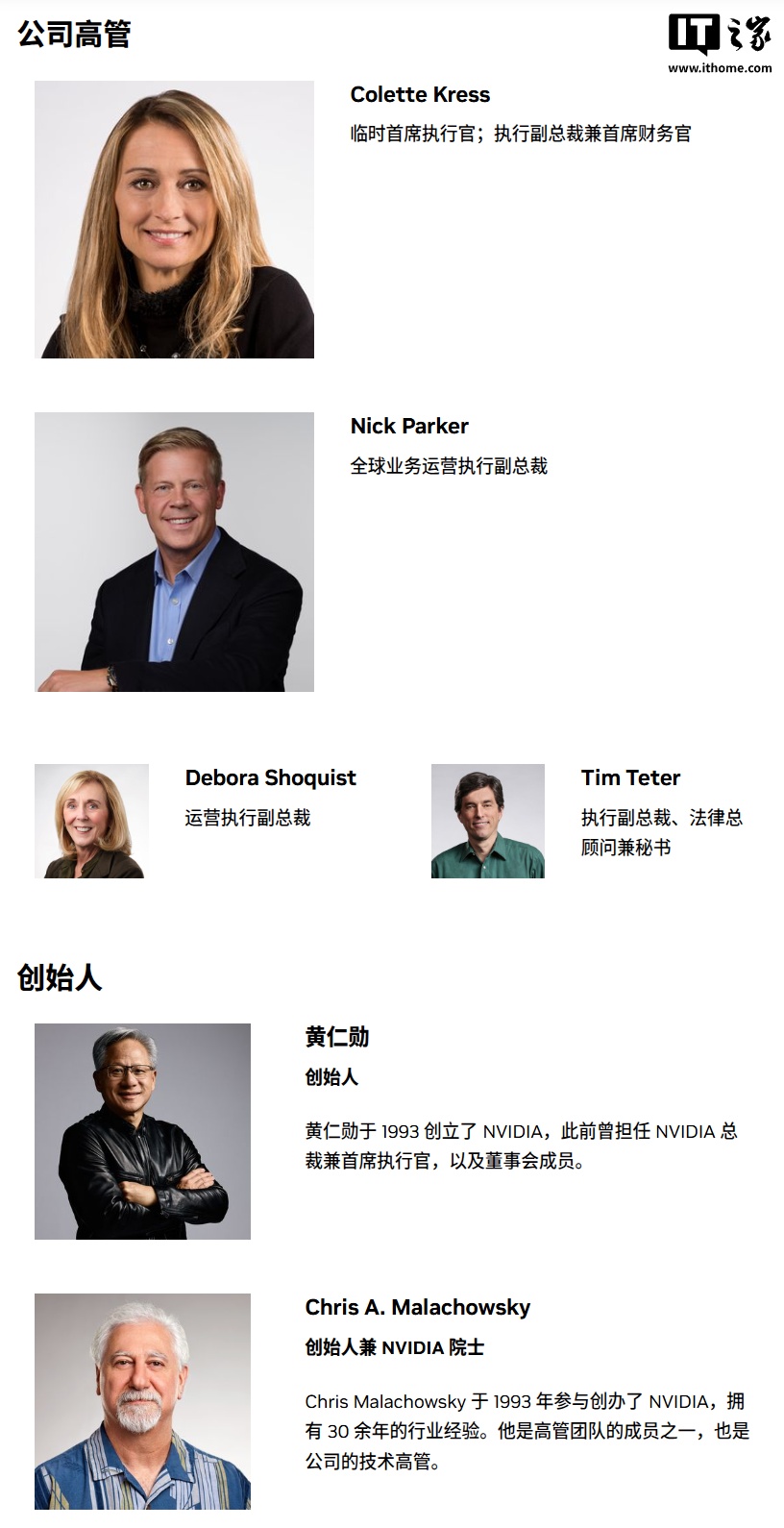
On Tuesday, the U.S. assistant prosecutor in charge of the case, Nick Parker, stated that his team is still reviewing the evidence collected, which includes 160 hours of audio recordings that appear to be from meetings conducted by OpenAI. The prosecution is also examining the computers of Alfozan and his wife, as well as video materials from OpenAI.
Parker said that due to a power outage at a facility in FBI, the phone in Alfozan got locked, and the investigators have not yet been able to create a complete forensic image. After the court hearing, Alfozan agreed to provide the password.
Parker also indicates that the recording device, allegedly placed by Alfozan, is encrypted, and therefore the prosecution is currently unable to access its existing content.
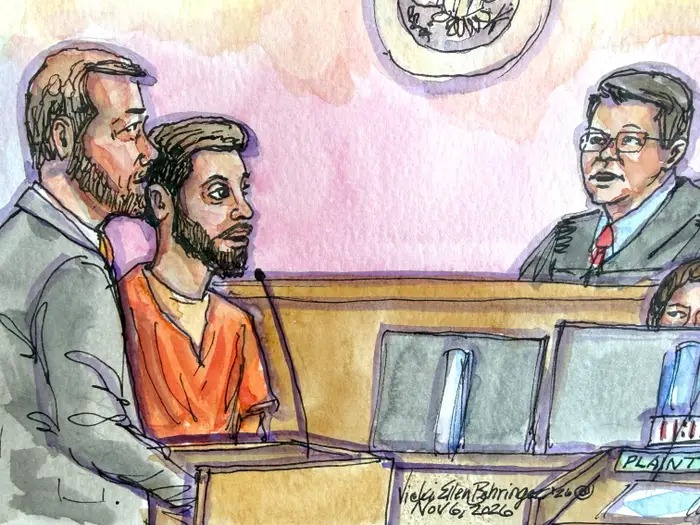
Parker said that he currently does not have any evidence indicating that Alfozan is engaged in economic espionage, stealing trade secrets, or acting as an unregistered foreign agent.
Rizk indicates that if these threats of accusation can be completely ruled out, 'this case will be completely transformed.'
He said that the speed at which the prosecution delivered the evidence needed by him and the parties was too slow, which affected the defense.
Regarding the protocol used by AI
The judge stated that the prosecution should provide more materials as soon as possible, including the contents of the laptop, videos of OpenAI, and any reports written by the FBI investigator involved in the case.
Parker indicates that since the device of Alfozan contains OpenAI data, he is concerned that Rizk will use the competitor's AI model to review the evidence disclosure documents.
Chhabria said calmly, 'I'm not as worried about it as you are. You need to find a way to reassure yourself, and do so as soon as possible.'
He required that Parker and Rizk reach an agreement on the use of AI by Friday noon. The parties also arranged for the next status meeting to be held on December 8th, with December 11th as the deadline for submitting evidence and disclosure materials, and the trial is scheduled to begin during the week of January 19th.
Parker said that he suspects Rizk will request a postponement of the trial after obtaining the evidence.
Previously, another federal judge ruled that Alfozan must remain in custody while awaiting trial, on the grounds that there is a high risk of him escaping if released. This is because the Saudi government has offered to provide the bail funds, and his wife and son have already flown back to Saudi Arabia.
Photos attached to the criminal complaint show that a USB device was plugged into the back of a conference room television and wrapped in toilet paper. The complaint also includes a photo that the prosecution referred to as Alfozan, which was taken by another OpenAI employee a week after they discovered the device.