

After a significant sell-off in stocks related to technology and artificial intelligence ( AI ), U.S. stock futures saw almost no change on Thursday, following a nearly 700-point drop in the Nasdaq Composite Index on October 22.
Concerns related to infrastructure construction expenditures associated with AI have risen again, dragging down the NASDAQ by 693 points, a decline of 2.60%, closing at 26,088.86 points.
The benchmark S&P 500 index fell 1.21% on the day, closing at 7,663.43 points. In contrast, the blue-chip Dow Jones Industrial Average rose slightly by 11.89 points, or 0.02%, closing at 52,867.98 points, as investors shifted their funds to more defensive stocks.
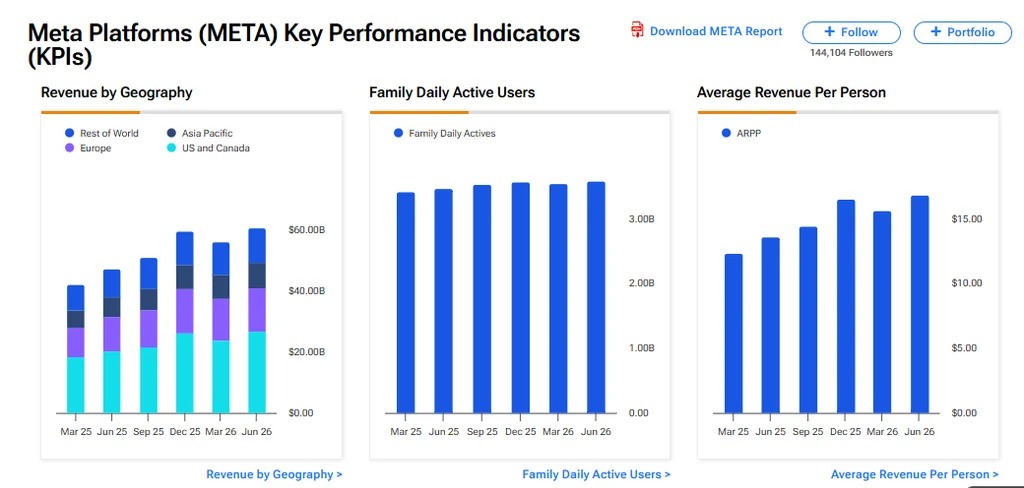
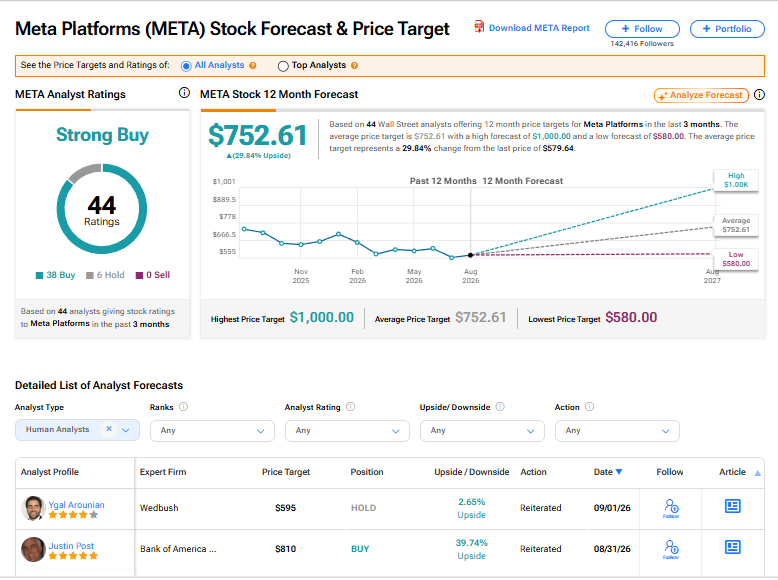
Meta Platforms ( META ) stock price falls by 7%, following its latest financial report showing an increase in capital expenditure; Tesla ( TSLA ) stock price drops by 3% after the release of its latest financial report.
In the futures market, the S&P 500 futures rose by 0.03%, the Dow Jones futures rose by 0.07%, while the Nasdaq futures fell slightly by 0.06%.
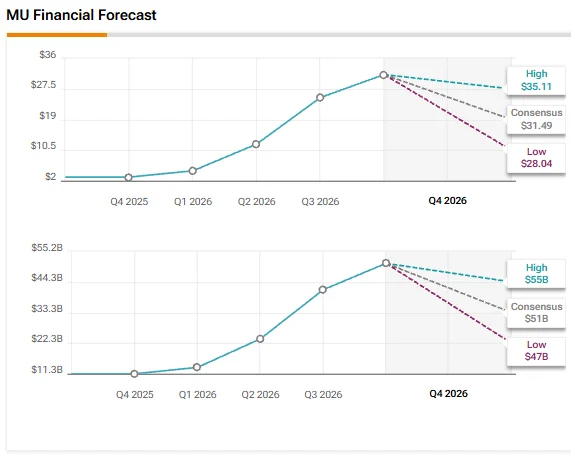
Other stocks that experienced significant declines on the same day included chip manufacturers Advanced Micro Devices ( AMD ), Micron Technology ( MU ), and Nvidia ( NVDA ), all of which saw their stock prices fall by more than 4%. Data center operator CoreWeave ( CRWV ) saw its stock price plummet by 10% amid the overall selling pressure. Analysts stated that after a significant rise over the past two years, investors' concerns regarding AI stock are growing.
In other aspects of the market, there has been an increase in oil prices due to reports that the United States and Israel plan to launch a new round of strikes against Iran after the mid-term elections in the U.S. Congress in November. On October 22, the international benchmark Brent crude oil rose by 4%, closing at $113.17 per barrel.
On the other hand, the yield on the benchmark 10-year U.S. Treasury note fell by more than 18 basis points to 4.961%, below 5%, and reached a one-month low. As market turmoil intensified, investors bought U.S. Treasuries as a hedge, driving down yields.