

The Wall Street Journal has been increasing its investment in video services and once planned to launch a series of ambitious streaming television programs.
Internal documents seen by Business Insider show that the initial lineup included six programs, one of which was a flagship morning live broadcast, and another was an interview program hosted by Emma Tucker, the chief editor of The Wall Street Journal. These documents date from this summer. A person familiar with The Wall Street Journal's strategy stated that the plans, including the dates and partners involved, are still subject to change.
The document states that The Wall Street Journal engaged in "negotiations" with Emily Sundberg, one of the creators who is also the author of Substack from Feed Me, and also contacted the restaurant that operates the platform The Infatuation. It was learned that Sundberg withdrew from the negotiations several weeks ago.
The parent company of The Wall Street Journal, Dow Jones ( Dow Jones ), is also hiring a person in charge of programs and content, with the responsibility of building "an ambitious video business." The job listing indicates that the annual salary for this position can reach up to $330,000, and the job responsibilities include developing talent resources for employees and external creators, converting the company's news content into streaming formats, as well as producing live and on-demand programs.
The efforts of The Wall Street Journal and Dow Jones demonstrate that traditional news organizations, which are traditionally strong in text-based reporting—including The New York Times—are competing to enhance their video products in order to adapt to the media landscape characterized by the rise of social videos and the decline of cable news. This also indicates that Tucker is responding to the market in a flexible manner, considering both creating programs around its own internal talent, including herself, as well as collaborating with creators and other media companies.
A Dow Jones spokesperson stated, "We have made it clear that expanding the video influence of Dow Jones and The Wall Street Journal is a major strategic priority. We are actively recruiting leadership to develop and implement our video market entry strategy, and we look forward to sharing the updated plan once we are ready."

The Wall Street Journal named familiar faces
The internal document seen by Business Insider describes this morning live broadcast program as a 60-minute core program among the first batch of program offerings. The document states that The Wall Street Journal has brought in some familiar faces from the fields of morning news and video to assist in producing the program. It also mentions that The Wall Street Journal has been collaborating with production company EverWonder, which was co-founded by former Time Studios executive Ian Orefice and receives support from RedBird IMI of Jeff Zucker.
Another program mentioned in the document is “The Exchange with Emma Tucker”, which is positioned as a “high-end interview series” that allows viewers to “get up close to the people who control the global economy”. The document names several potential guests, including Satya Nadella from Microsoft, Jamie Dimon from JPMorgan Chase, and Larry Fink from BlackRock.
A person familiar with The Wall Street Journal's strategy stated that these documents represent just one of the multiple directions the institution is exploring and do not reflect the current state and form of its efforts. The person mentioned that the company is engaged in active discussions with several external parties regarding potential collaborations.
The document states that The Wall Street Journal once engaged in "negotiations" with Sundberg regarding a program titled "Feed Me, On Camera," which have now concluded. The concept of the program was to bring her "highly active, young creative audience to WSJ and, at the same time, introduce the large-scale, authoritative, and affluent professional audience of WSJ to her world." The document envisioned each episode beginning with a "hint, obsession, or question from the Feed Me world," then leading to a conclusion through Sundberg, while integrating The Wall Street Journal's business context and reporting.
The document also mentions that other programs explored by The Wall Street Journal include “Market Price with The Infatuation”, which will delve into “the business behind taste, in the literal sense”. It will combine the cultural influence and young audience of The Infatuation, now owned by JPMorgan Chase, with The Wall Street Journal’s business reporting capabilities.
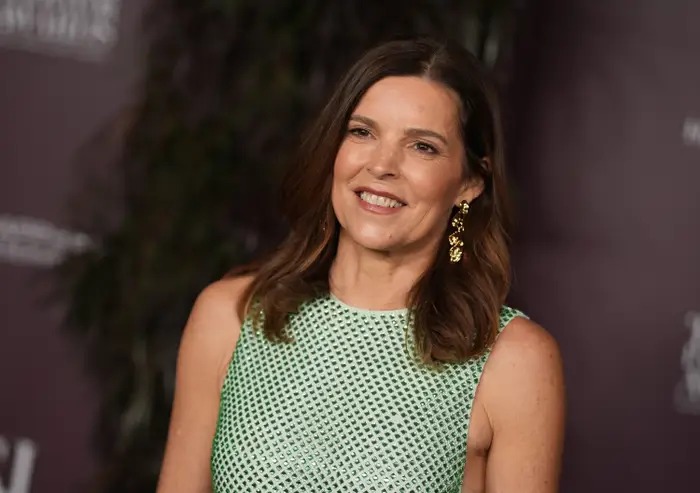
Another program is “Inside Sports” (the title may change), which is described as “the next-generation reboot of ‘Real Sports’ for the era where sports is considered an asset class.” It may be hosted by Emmy-winning television journalist Armen Keteyian.
The document states that The Wall Street Journal once engaged in "negotiations" with The Infatuation and had "discussions" with Keteyian. Business Insider is unable to confirm the status of these discussions.
The last program listed in the file is an artificial intelligence program, with the goal of inviting a well-known host.
The Wall Street Journal compares its plan to The Daily.
In the document, The Wall Street Journal expressed high ambitions for its morning news programs, stating that there has been "nothing new in this category for over a decade" among programs targeting a professional audience. The last item on the timeline in the planning document is "_The Daily_" launched by The New York Times in 2017. This program has become a stable top performer on the podcast charts and is also one of the newspaper's most successful products.
The document states: "We see an opportunity to reshape this category." The Wall Street Journal also has its own daily updated news podcast, " The Journal ".
Like The New York Times, The Wall Street Journal is in a rare position in the challenging media environment to make transformative investments. The Wall Street Journal is part of Rupert Murdoch's News Group ( News Corp ), and it has managed to become profitable by implementing paywalls for news content earlier than others.
The document states that in its video expansion, The Wall Street Journal aims to produce 20 hours of video per week, expanding to a streaming channel supported by free advertising ( FAST ), and to add subscription options and other formats when demand permits. It also mentions that between WSJ TV , existing video programs, licensed programs, and co-productions with creators, The Wall Street Journal hopes to become an "all-day online streaming channel." Sources familiar with The Wall Street Journal's strategy indicate that these goals do not represent its current plans.
Tucker took over The Wall Street Journal in 2023, having previously transferred from The Sunday Times in the UK, which is part of Murdoch's media empire. Her goal is to increase user engagement with The Wall Street Journal's digital products. Within three months, ending on June 30th, the digital subscription base grew by 8% year-on-year to reach 4.5 million. She called for more vivid writing and more pioneering reporting. The Wall Street Journal had already begun to reshape its video strategy under the leadership of the previous head of videos, Maral Usefi. By April, under the leadership of Usefi, the video team had grown by a third to 65 people. She was then succeeded by Samantha Henig, and in July, Henig was hired to lead a new multimedia team.
According to the document, under this new initiative, The Wall Street Journal aims to combine its authority and scale with the personalized nature of creator-driven media and modern distribution methods. In terms of audience, the goal is to reach a younger demographic than that of traditional commercial television, while also covering a larger number of decision-makers than what creator-driven media currently achieves.
Over a decade ago, The Wall Street Journal vigorously promoted original videos, including launching a video app in 2011, and expanded into episodic video documentary series. With the rise of short videos, the increasing popularity of YouTube on television screens, and the success of new live broadcast programs such as TBPN, publishers have once again prioritized videos as a whole.
While embracing creator talent and involving its own staff in video content may help The Wall Street Journal reach a younger audience, this also comes with risks. Reporters who become talents in front of the camera often earn higher salaries, or, as Kevin Roose and Casey Newton, hosts on The New York Times, recently did, they leave to start their own businesses. Creators usually also have their own followings, which gives them more bargaining power with news organizations compared to regular reporters.
The production costs for flagship video programs are also very high, so a high advertising rate is crucial for The Wall Street Journal to successfully launch this series. Internal documents discuss various ways advertisers can participate, including as launch partners, category-exclusive partners, and as "moment partners" linked to major news events such as elections, financial reports, and WSJ special programs.