

According to Reuters, several large fund companies in India have suspended large-scale subscriptions to gold ETF before the peak season for traditional gold consumption arrives.
Institutions including Kotak Mahindra Mutual Fund, UTI Mutual Fund, and HDFC Mutual Fund issued a statement on Thursday evening, imposing restrictions on bulk subscriptions to the gold ETF, but the redemption of existing fund shares is not restricted.
Reuters quoted a senior fund industry executive familiar with the discussions and two people from the gold industry as saying that this adjustment was made after communication between the Securities and Exchange Board of India (SEBI) and the industry. Several fund companies' public announcements did not provide specific reasons, and SEBI also did not respond to requests for comment as of the time of reporting.
Industry insiders believe that the policy is more likely to be a preventive measure aimed at avoiding a sudden increase in gold imports driven by holiday demand in October and November. With international oil prices high and the Indian rupee under pressure, regulatory authorities are paying more attention to the impact of gold demand on import bills and the foreign exchange market.
India will celebrate Diwali in October, and then welcome Dussehra at the beginning of November. Gold holds an important place in Indian weddings and religious festivals, and this period is usually one of the times of the year when there is a concentrated demand for physical gold.
During the same period last year, there was a significant influx of funds into Indian gold and silver ETF. When the stock market was performing poorly, some investors turned to precious metals products, leading to a concurrent increase in demand from funds for physical gold and related assets.
After gold ETF experiences a large-scale increase in new subscriptions, fund managers typically need to correspondingly increase their gold assets to maintain the tracking relationship between the product and the gold price. In India, where domestic mineral supply is limited and most gold consumption relies on imports, a large influx of ETF funds may ultimately lead to an increased demand for imports.
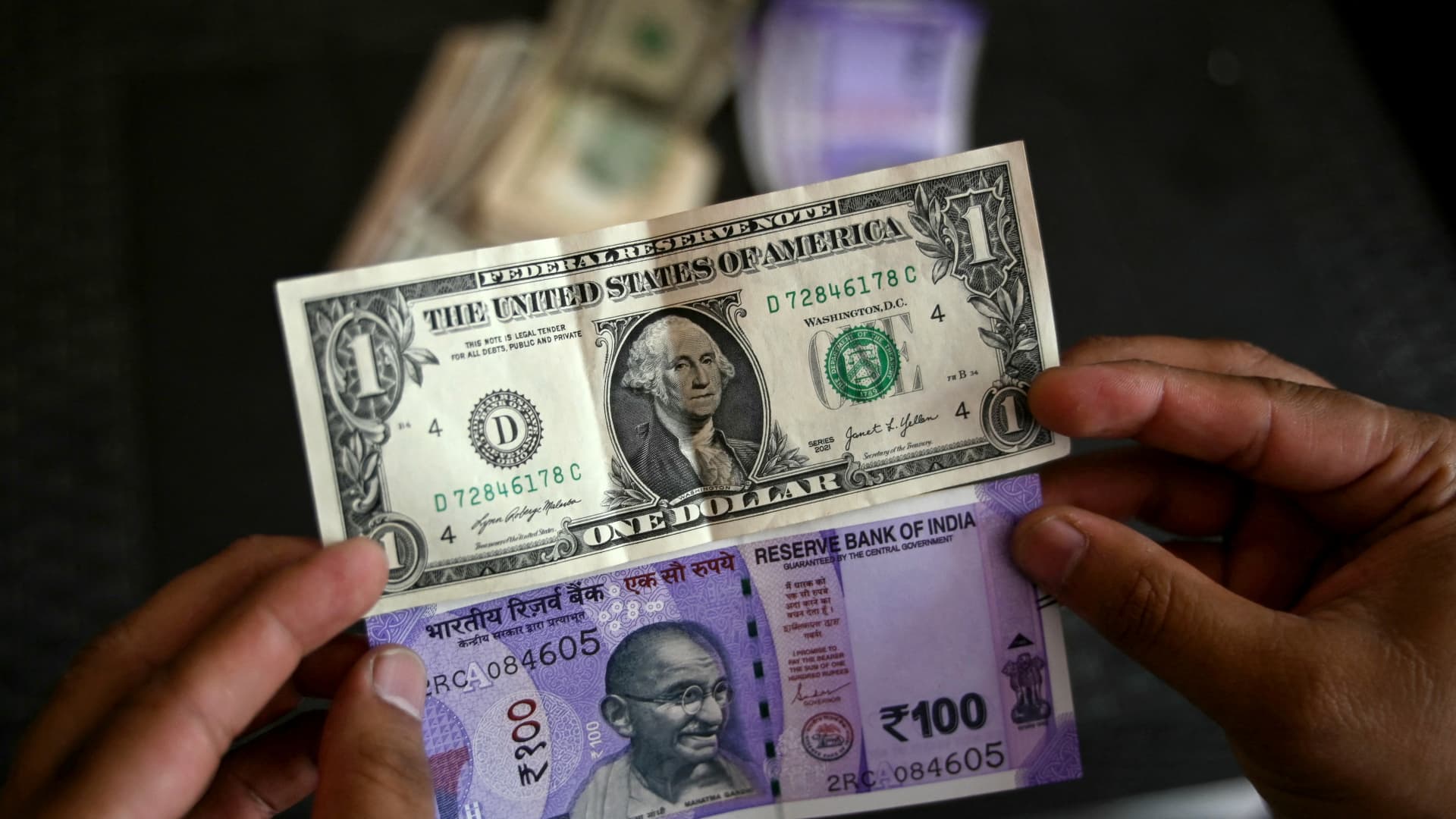
India is the world's second-largest gold consumer and also one of the largest silver consumers. When demand for precious metals is strong, it not only increases commodity imports but may also boost the demand for the US dollar, putting additional pressure on the rupee.
This year, the Indian rupee has been affected by both rising international oil prices and continuous selling of Indian stocks by foreign investors. With the increased cost of energy imports, the government has become more sensitive to the foreign exchange demand resulting from the import of non-essential goods such as gold, and earlier this year, it raised import taxes on gold and silver.
The reason why this suspension of large-scale subscriptions has attracted market attention is also that India's gold imports have not recently gotten out of control.
Data shows that India's gold imports in September amounted to $1.8 billion, lower than the $2.3 billion in August. In the past two months, imports of both gold and silver have significantly decreased compared to the same period last year, and they have not recently become a major source of India's widening trade deficit.
A trader from a private Indian bank that supplies gold to ETF stated that this measure “seems more like a precautionary action taken to avoid a sudden increase in imports in October.”
In other words, what the regulatory authorities are currently trying to prevent is a new round of demand spikes that may occur during the peak holiday season, rather than dealing with the already significant increase in gold imports.
Previously, India also abolished the exemption from the 3% Comprehensive Goods and Services Tax ( IGST ) that banks and government-designated institutions enjoyed when importing gold, silver, and platinum. After this exemption expired at the end of March, the main official channels for gold imports were forced to use more working capital.
Rising import costs, combined with restrictions on the inflow of large amounts of funds related to ETF, indicate that India is managing the potential foreign exchange pressures associated with gold demand more cautiously in an environment where rising oil prices increase import bills and put pressure on the rupee.
This measure is not aimed at closing the gold ETF nor at restricting investors from withdrawing from related products. Reuters confirms that there are currently no restrictions on redemptions for various funds; the adjustment mainly targets large-scale new subscriptions.
The fund company has not yet disclosed how long the restrictions will last, nor has it specified what conditions need to be met in order to resume normal subscriptions. The duration of the policy may depend on capital inflows during the holiday period, imports of physical gold, and the performance of the rupee.
For the Indian gold market, the key factor in the coming weeks will be whether demand during traditional festivals will drive imports up again. If there is another large influx of capital into gold similar to last year's peak season, the current restrictions on bulk purchases will reduce the need for funds to acquire a large amount of gold assets in a short period of time.