IT News on October 10th: According to reports by foreign media motor1 today (the 10th), a survey conducted by BMW Group North America among 1,005 American adults from September 11th to 13th revealed a significant gap between the cruising range required for consumers' daily driving and the expectations they had when purchasing cars.
73% of respondents stated that driving no more than 121 kilometers per day is sufficient to meet their daily needs. Whether it's commuting or going out on errands, the batteries of electric vehicles usually only need to consume a small amount of power to handle these trips. However, when the same group of respondents were asked about their requirements for range when buying a car, the answers were quite different.
The survey shows that 42% of respondents require electric vehicles to have a range of at least 483 kilometers, while 18% of respondents are only willing to consider purchasing an electric vehicle if the range is no less than 644 kilometers.
The anxiety about battery life prompts consumers to prefer larger-capacity batteries, a phenomenon that is not new. However, the demand gap reflected in this survey is still quite evident. Americans primarily use their cars for short trips such as picking up and dropping off children, purchasing daily necessities, and commuting to and from work, and BMW's survey results confirm this point as well.
Although it's generally not possible to drive such long distances, 72% of respondents still consider range to be a decisive factor in purchasing an electric vehicle. In contrast, price is a more concerning issue than range; 51% of respondents believe that the cost of purchasing a car is the biggest obstacle to buying an electric vehicle.
Alexander Schröcher, head of BMW Group's North American electric vehicle business, believes that the survey results reflect that the electric vehicle market is gradually maturing. "As the range and charging capabilities continue to improve, consumers are starting to choose electric vehicles in the same way they choose other cars, placing more emphasis on performance, features, and cost-effectiveness, rather than adhering to outdated notions about range."
The impact of prices on consumers is not just deterring them. Although only 27% of respondents considered low holding and usage costs as a reason to purchase electric vehicles, 55% are willing to consider certified used electric vehicles or regular used electric vehicles, provided that they can save enough money.
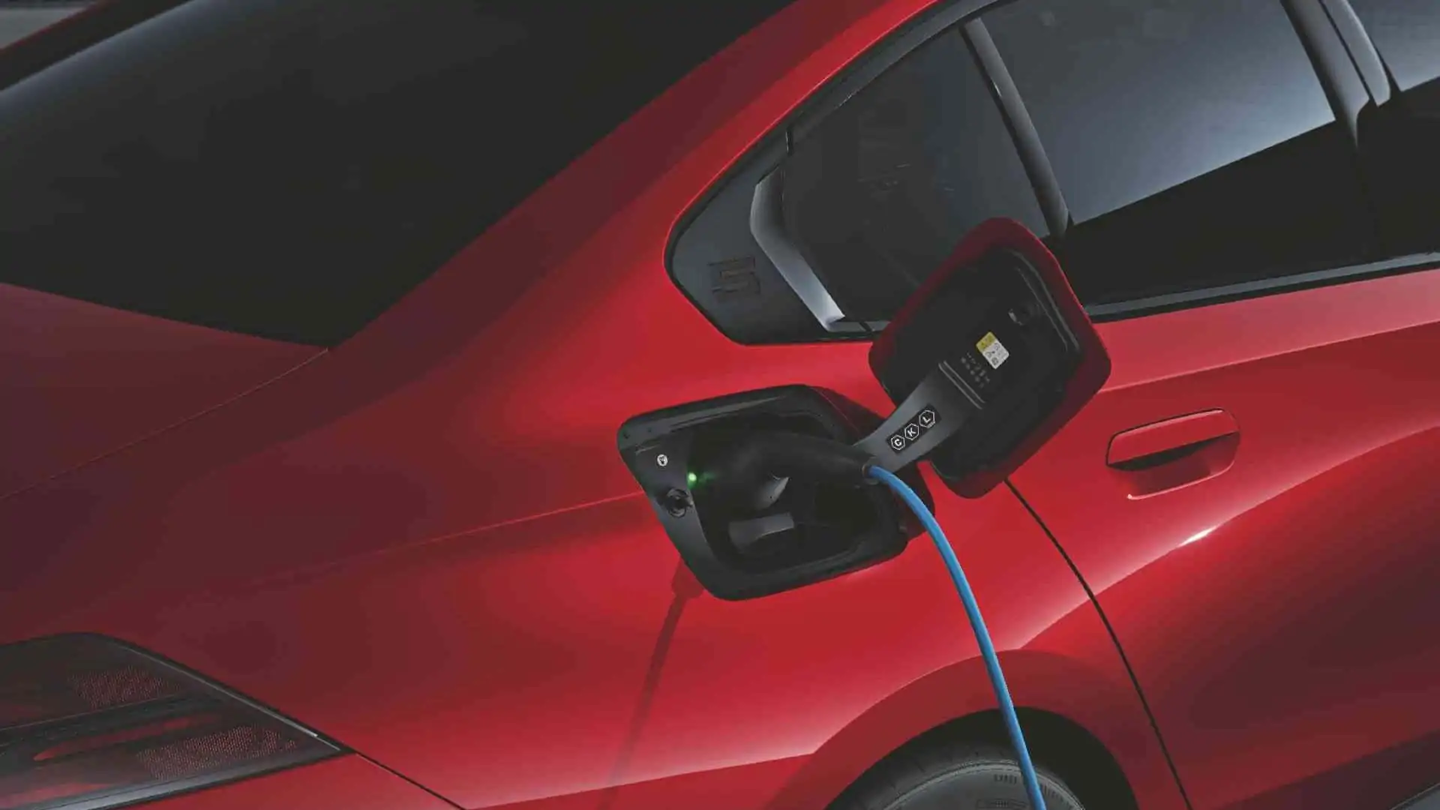
BMW has also focused on another factor that may have a greater impact on purchasing intentions than range: charging speed. 53% of respondents stated that the ability to charge quickly would make them more inclined to consider purchasing an electric vehicle.
There are significant differences in opinions among different age groups: 70% of Gen Z respondents stated that fast charging capabilities would increase their willingness to purchase electric vehicles, and 65% of millennials share the same view. Among the Baby Boomer generation, only 30% of respondents agree.
Consumers' tolerance for charging time has also increased. This year, 55% of respondents stated that they would be satisfied with a fast charging time of no more than 30 minutes, while in a survey conducted by a MINI American company in 2024, 48% of respondents held the same view.
People's perceptions of electric vehicle owners are also changing. The proportion of respondents who still view electric vehicle buyers as pioneers of new technology has dropped from 62% in BMW's 2025 survey to 56%. At the same time, 68% of respondents said they would be willing to consider purchasing an electric vehicle.