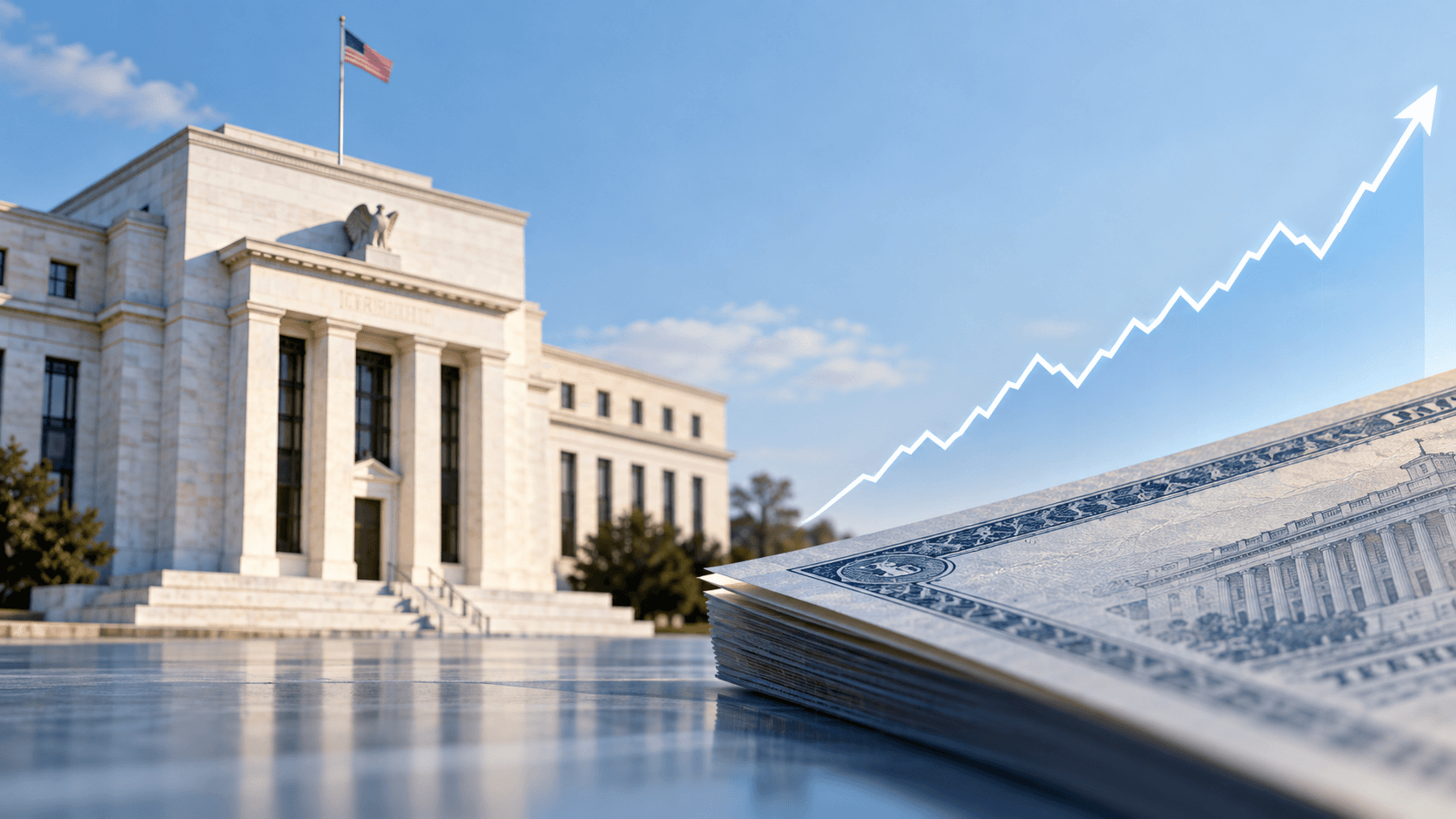














When investors sell U.S. Treasury bonds, there must always be someone buying them. Every completed bond transaction involves both a buyer and a seller, even during the worst periods of market collapse.
Surprisingly, a decline in bond prices can sometimes attract new investors, rather than scaring them all away.
Banks, pension funds, hedge funds, insurance companies, foreign governments, and individual investors all participate in the U.S. Treasury market. However, their reasons for buying are varied, and the purchase prices are not necessarily the same.
Who would buy U.S. Treasury bonds during a sell-off?
The U.S. government borrows money by issuing treasury bills, notes, and bonds. Once these securities are issued, they are traded among investors in the secondary market.
According to the auction rules of the U.S. Treasury Department, eligible bidders include financial institutions, investment funds, foreign entities, and individuals.
During the selling period, the following types of buyers may get involved:
- Banks and primary dealers: financial institutions that trade U.S. Treasury bonds, provide liquidity, and assist in the distribution of newly issued debt.
- Pension funds and insurance companies: seeking long-term investors who can provide predictable payments to match future liabilities.
- Hedge funds: Investors who trade by taking advantage of price differences, financing opportunities, or anticipated market reversals.
- Foreign investors: central banks, sovereign institutions, and private funds that hold assets denominated in US dollars.
- Individual investors: Buyers who seek government-backed returns through bonds, ETF, and money market funds.
These buyers are not necessarily optimistic about the economy. Some people simply find that higher returns are more attractive.
Why does a decline in bond prices attract buyers?
The prices of U.S. Treasury bonds move in the opposite direction to their yields.
Assume that a U.S. Treasury bond pays 40 dollars in interest per year based on a face value of 1,000 dollars.
If its market price falls to $800, then the yield for that payment of $40 would change from 4% to 5% for that period.
Compared to the purchase price, this bond suddenly offers more income, although its yield to maturity still depends on the remaining payments and the value at maturity.
This also explains why the yield on U.S. Treasury bonds rises during periods of bond selling.
Some investors are selling because inflation is eroding returns; others are buying because higher yields are finally sufficient to compensate for the risks they undertake.
What if there aren't enough buyers?
The market doesn't need everyone to think that U.S. Treasury bonds are attractive.
It only requires enough investors to be willing to buy at the current price.
When the supply of sellers overwhelms the demand of buyers, prices will fall until buyers regain interest. In extreme cases, trading can become disordered, the bid-ask spread widens, and liquidity diminishes.
The new way of government borrowing operates differently. In U.S. Treasury auctions, investors submit bids indicating the yields they are willing to accept, and the government then distributes the securities according to the auction process.
Primary traders will participate in these auctions, but they cannot guarantee that borrowing costs will remain low in the long term.
As the scale of U.S. debt expands and Washington needs to attract more capital, this becomes particularly important.
The Federal Reserve can also purchase U.S. Treasury bonds on the secondary market, but it will not automatically intervene to rescue every time there is a sell-off.
Higher yields may ultimately attract buyers, but at the same time, they will also increase the borrowing costs for governments.
This is the core paradox: The selling of U.S. Treasury bonds does not mean that no one wants U.S. debt, but rather that investors wish to hold it at a better price.