On September 30th, according to local time on the 29th, Microsoft Research launched an experimental multimodal AI research system Project Quine. It is reported that Project Quine is a "world model" used for biological research, with the goal of connecting computational biology modeling with actual wet experiments.
Project Quine was jointly developed by Microsoft Research, Harvard University, and the Broad Institute at MIT. The system will encompass a unified model for the characterization of genomics, proteins, chemistry, cell state, and bioimaging, and it will be integrated with an interactive reasoning framework. To enable researchers to utilize Project Quine as soon as possible, Microsoft has opened applications for its first Quine Fellows project. In the future, Microsoft also plans to gradually expand the scope of commercialization through products such as Microsoft Discovery.
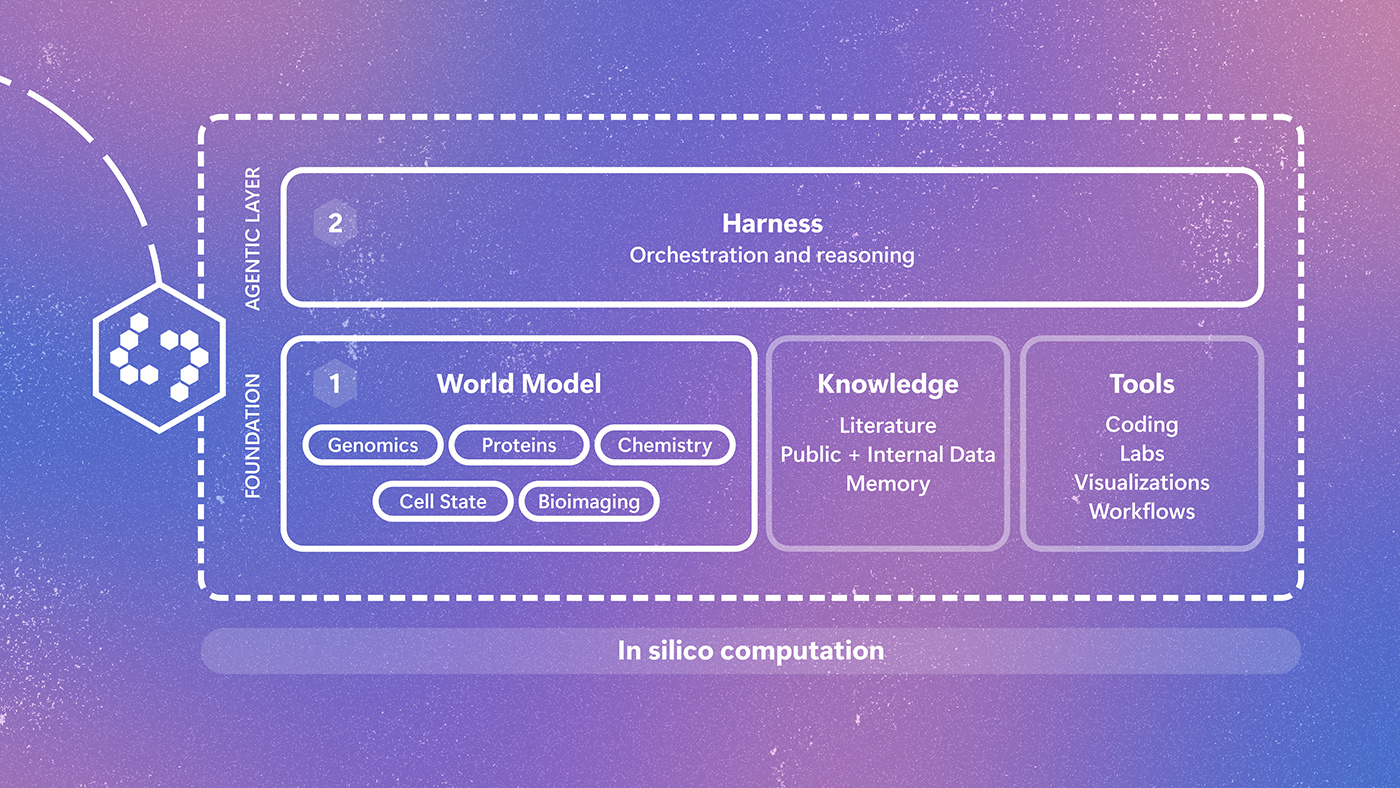
Project Quine is not limited to a single research field; rather, it is capable of processing information from multiple fields simultaneously, enabling comprehensive cross-model analysis. With this architecture, some of the bottlenecks in traditional drug discovery could be overcome: researchers can use computational methods to pre-screen candidates and prioritize them, then allocate limited laboratory resources to the most promising targets for verification.
Microsoft also emphasizes that, although Project Quine has great potential, it is currently limited to scientific research purposes only and not for clinical use. Any results obtained by researchers using this system must also undergo rigorous manual evaluation to confirm their accuracy, as AI can still produce errors.
Recently, Microsoft also used Project Quine to test pancreatic ductal adenocarcinoma cell lines. In just one weekend, the system was able to prioritize the identification of compounds that could induce the cells to transition from a classical to a basaloid phenotype as expected, and some unexpected phenotypic responses were also observed.
According to IT, researchers who wish to use Project Quine in advance can directly apply for the newly launched Quine Fellows project. As technology gradually moves beyond the research phase, Microsoft will expand the scope of accessibility through Microsoft Discovery and will subsequently provide more commercial tools.
This system is expected to significantly reduce the time required for drug discovery, saving years of work and millions of dollars in costs, and may also help researchers find treatment approaches that were not anticipated before.
refer to
Introducing Quine : An AI research system designed for the complexity of biology