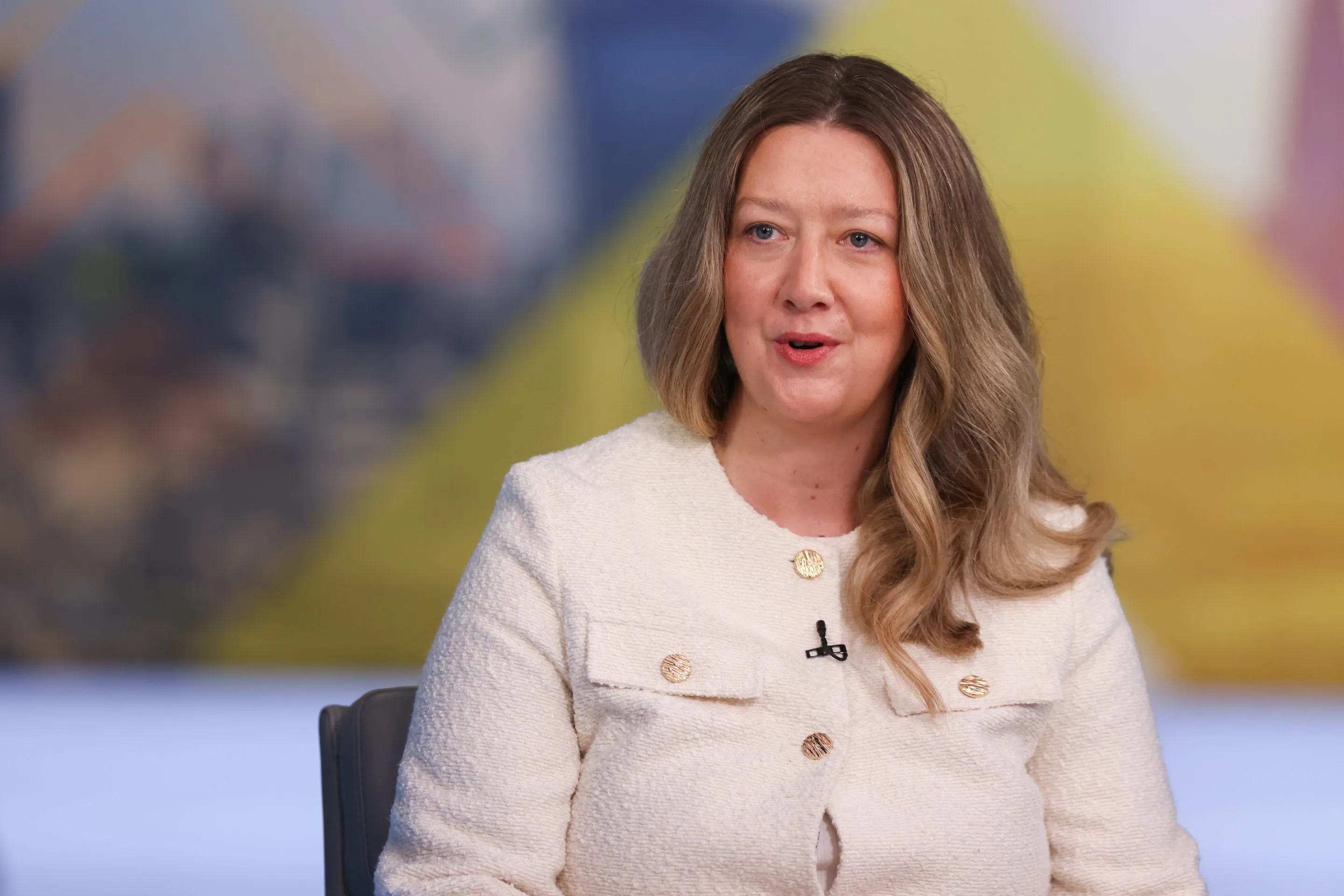


Palantir Founder and CEO Alex Karp is best known in the United States as the head of the controversial defense company AI, which is valued at $450 billion; however, in Sweden, he has caused dissatisfaction for another reason: he purchased thousands of acres of land, disrupting local hunting activities.
Karp purchased 15,000 hectares (37,000 acres) of forest in Hä, Sweden, through his newly registered company Cladonia Skog AB, of which he is the actual owner. The transaction is reported to have amounted to 235 million Swedish kronor, which is approximately 22 million US dollars. The Swedish newspaper Tidningen H ä rjedalen was the first to report on this deal.
The media interviewed several hunters who received an email notification stating that they would no longer be allowed to rent the land located in the southern part of Storsj ö Kapell for hunting purposes. Storsj ö Kapell is a quiet village known for hiking and fishing. The paper company Svenska Cellulosa Aktiebolaget ( SCA ), which previously owned this land, confirmed that it has sold the plot as it was not suitable for forestry operations. The prohibition on hunting on this land is also part of the sale agreement.
SCA wrote in an email sent to Tidningen H ä rjedalen: 'The transaction has been completed. Terminating the hunting agreement – whether it's for our own employees or external teams – is a natural part of the sales process, as we can only grant hunting rights on land that we own.'
SCA did not immediately respond to Fortune's request for a comment.
Karp's connection with Sweden also stems from Palantir. Earlier this year, Palantir, the Swedish country manager Anders Frid, confirmed that the company has established a cooperative relationship with the Swedish defense department. Palantir expanded its software development business to Europe about a decade ago, but the EU's continued use of the company's services has also raised concerns among outsiders about Europe's plans to reduce its dependence on American technology and AI.
Cladonia told Swedish media that the company will use this land for "forestry and other related activities." Scandinavian Trust, who was responsible for facilitating this transaction, did not respond to Fortune's request for comment, but the institution has previously reiterated its intention to retain this land.
Jenny Lopes Da Silva, who is a member of the board of directors and also the Scandinavian Trust sales manager, stated in a statement: "The new owners of this forest property are committed to the beauty and protection of this land. The vast and natural forest landscape provides a valuable habitat for flora and fauna, as well as a place for leisure and rejuvenation."
Billionaires' Land Investments
Purchasing natural land has become a popular trend among ultra-high net worth individuals. Peoples Company, the president of an agricultural real estate company, stated that in the United States alone, farmland has grown into an asset class worth 4.3 trillion dollars. Land is a limited resource, and over time, both its demand and value are likely to increase, making it considered a reliable tool for hedging against inflation and market fluctuations. Data from the US Department of Agriculture shows that by 2025, the cost of land in the United States is expected to rise by 4.3% year-on-year, with an average price of about $4,350 per acre.
The rise of carbon credits has also encouraged people to hold agricultural land such as forests. Carbon credits are a form of certification that indicates actions have been taken to offset greenhouse gas emissions and can be used to trade emission allowances.
But for some billionaires, land ownership has also become a complex hobby, including Meta CEO Mark Zuckerberg — who raises cattle on 4,000 acres of ranch in Kauai, Hawaii — as well as Reddit co-founder Alexis Ohanian, who has been operating a family farm in Jupiter, Florida for six years.
Bruere previously said about Fortune: "Many people have begun to realize the non-financial benefits of agricultural land. You can go for hikes, take walks, fish, hunt, and grow crops. This trend really emerged during the COVID-19 pandemic, when people were stuck at home and in apartments and started looking for alternative investments."
According to The Wall Street Journal, Karp is no stranger to purchasing land for leisure purposes, including a 3,700-acre monastery complex in Capitol Creek Valley, Colorado, which was purchased for $120 million. The transaction also included the water rights to irrigate 1,500 acres of land.