

Farmers around the world are facing an urgent problem: the equipment they use for plowing, sowing, and harvesting fields is eroding their profits. Studies estimate that soil compaction can reduce yields by 20% to 60%.
Tillage can alleviate this issue, but it is a time-consuming, labor-intensive, and costly task that can also damage soil health in various ways. Muju Earth has developed an alternative solution, Aeropod, which can automatically aerate the soil without the need for machinery or robots. The startup claims that this device can not only improve soil health but also reduce farmers' cultivation costs by half or more.
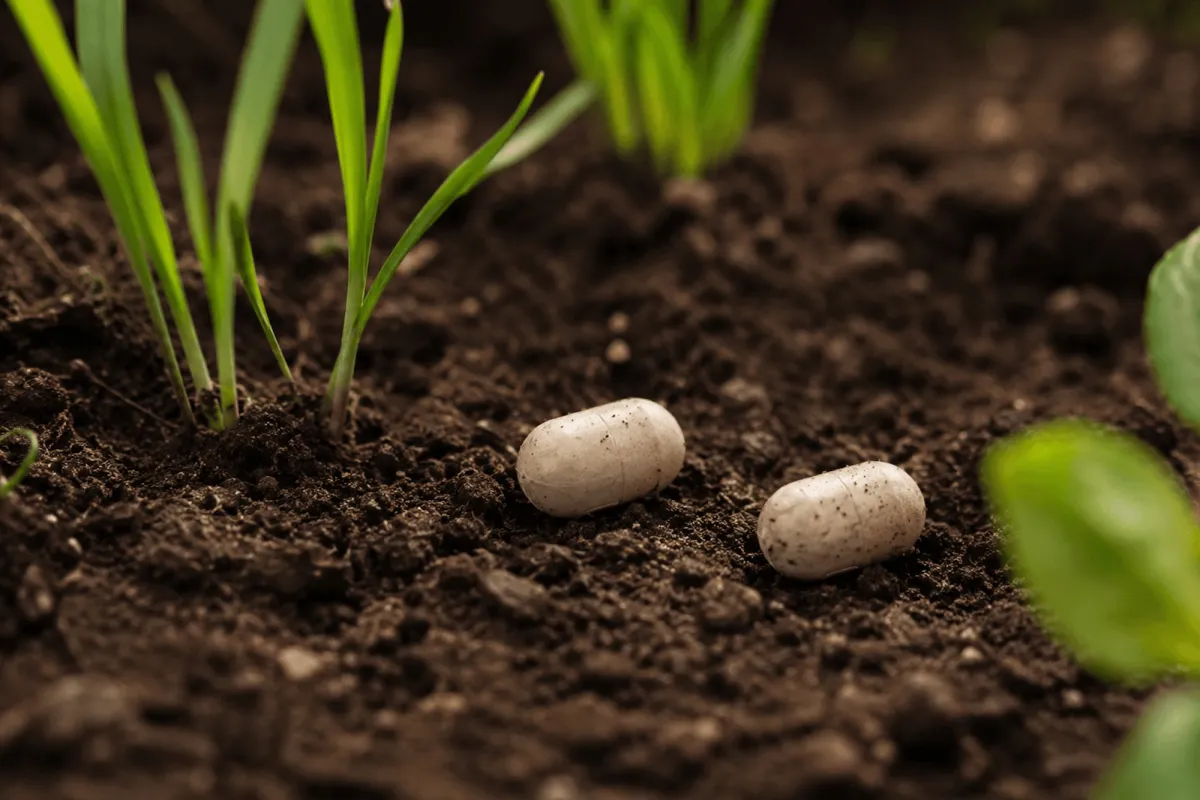
The co-founder and CEO, Ifeoluwa Afolayan, told TechCrunch that this device is "manufactured like a seed, sown like a seed, and transported like a seed." It is only about the size of a fingernail, and farmers can use the same equipment to sow it along with seeds into the soil without the need to plow the soil in advance.
Afolayan said, "This really seems like an obvious solution."
When Aeropod is exposed to the combined effects of temperature, pressure, and humidity, it will burst open, loosening the soil and forming small channels that allow air, water, and root systems to pass through more easily.
Muju Earth is one of the 200 startups in this year's TechCrunch Disrupt Entrepreneurship Competition Startup Battlefield. The company has already tested its product in a laboratory environment and will launch paid field trials in the UK this autumn. Nine farmers will participate at that time, with more than 30 others on the waiting list.
The company initially targeted onion growers in the UK, as onions are particularly sensitive to soil compaction, Afolayan said.
Afolayan indicates that, taking into account costs such as labor, diesel, and equipment wear and tear, the cost of plowing a field once is approximately £250 to £400 per hectare. She said that Aeropod should be able to reduce this figure to £100 per hectare.
The idea for Aeropod was born during the time Afolayan and co-founder Wangyang Hu were studying at Imperial College London. At that time, they wanted to design a product that could not only improve farmers' incomes but also help maintain soil health. The research and development of Aeropod revolved around one question: "How can we make it as simple as sowing?" Afolayan said, "This is the fairest approach that every farmer around the world can adopt."
In addition to farmers, the startup has also attracted the attention of companies that develop bio-improvers. These products are typically added to soil and often contain live microorganisms, used to enhance or replace chemical fertilizers. Since these products work best in well-aerated soil, these companies are very interested in using them in conjunction with Aeropod.
However, Afolayan says that it is mainly the farmers who are driving the adoption. So far, most of the marketing efforts have come from customers who have taken the initiative to approach them. She said, "The best part is that farmers instinctively understand its value proposition."
Muju Earth is one of the 200 startups in this year's Startup Battlefield. The competition will select a final list from the 20 finalists, and these 20 companies will present their projects on the main stage of TechCrunch Disrupt held at Moscone West in San Francisco from October 13th to 15th.