

















Foreign media commentary suggests that the public confrontation between Robinhood and AMC over tokenized stocks is not just a verbal battle between companies, but also reflects that the way securities are distributed in the United States is being impacted by blockchain technology. The article compares this change to the digital transformation that occurred in the music industry back in the day, arguing that it has become increasingly difficult to simply stop stocks from being listed on blockchain.
The dispute arises from data being uploaded to the blockchain without the company's permission.
The catalyst for the incident was when the management of AMC publicly accused Robinhood of turning its stocks into blockchain token products without permission. In response, Robinhood argued that after a listed company issues stocks, how investors hold and transfer their related rights should not be entirely determined by the issuer.
The article argues that the core of this debate is not whether a single company, AMC, opposes it, but rather whether securities trading will further shift from traditional brokers and local markets to on-chain circulation and global distribution.
The threshold for cross-border investment may continue to decline.
The supporters' reasoning is straightforward: Tokenized stocks make it easier for investors outside of the United States to access U.S. stocks. For local American investors, low-commission trading is already quite common, but in markets such as Brazil and South Africa, some investors still face higher transaction fees and may not even be able to buy certain U.S. stocks.
- Reduce cross-border trading costs
- Expand the coverage of tradable stocks
- Improve the convenience of holding and transferring
The article mentions that platforms such as Robinhood and Coinbase currently use an intermediary agency registered in FINRA, Alpaca, to handle record-keeping and other processes, in order to reduce compliance and custody risks. According to the article, such large platforms do not have much incentive to take on the risk of reputational damage and regulatory penalties for a small number of overseas customers.
The real risk lies with the issuers of unsecured tokens.
However, the article also points out that the risks do not come from all participants, but are more likely to originate from platforms with insufficient qualifications. If some platforms that have been in operation for a short time issue so-called AMC or Apple stock tokens without any real asset backing, market panic could spread, affecting the trading sentiment of the related stocks themselves.
Therefore, the commentary article argues that the solution is not to halt the tokenization of stocks, but to establish a clearer legal framework that allows compliant institutions to operate within these rules, while excluding unsecured and unqualified issuers.
Regulatory and issuance models are still being explored.
The article also mentions that it's not just crypto platforms driving the move of stocks onto blockchain. Nasdaq recently invested $100 million in blockchain-native financial company Payward, which is also seen as a sign that traditional financial institutions are beginning to increase their investment in related infrastructure.
At the regulatory level, it is reported that the U.S. Securities and Exchange Commission (SEC) is also studying innovative exemption mechanisms for certain blockchain-based stock products. Meanwhile, there are still disagreements within the industry regarding the issuance pathways: one group of platforms adopts the "packaging" model currently used by Robinhood, while other companies such as Securitize and SuperState advocate for directly issuing securities on the blockchain.
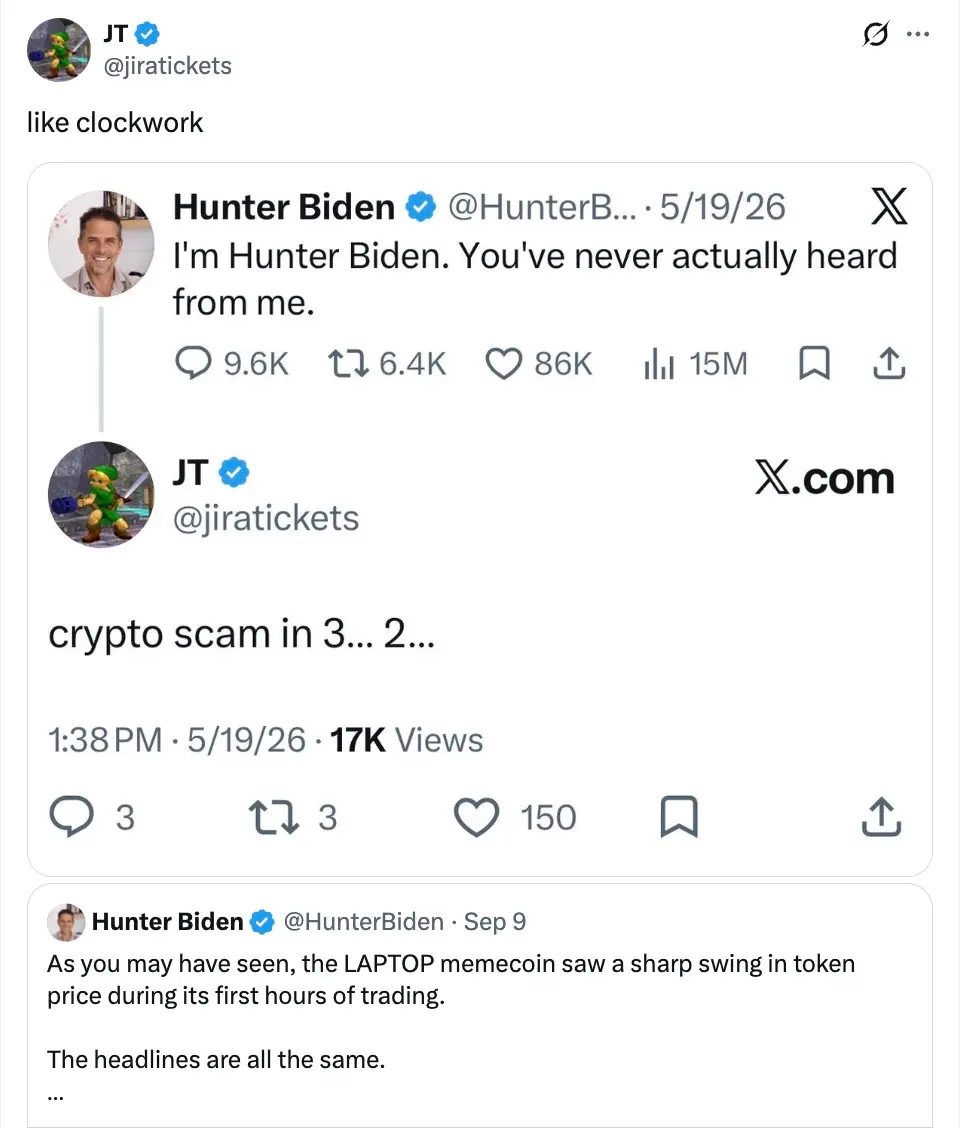
The article argues that disagreements regarding models, hosting, and regulation will continue, but the pace of stock tokenization on blockchain may be faster than the market initially anticipated. Relying solely on company protests or lawsuits may not be sufficient to prevent the spread of such technology in the long term.