

As AI models and agents increasingly penetrate enterprise systems, network security professionals are moving from back-end technical roles to central management positions. According to CNBC, following the security incidents related to OpenAI and Hugging Face, enterprises have become more acutely aware of the importance of AI security. As a result, Chief Information Security Officers (CISOs) are now participating more frequently in board meetings, CEO discussions, and major business decisions.
Security officers enter the decision-making level.
Reports indicate that AI is changing the requirements companies have for security positions. CISO is no longer solely responsible for preventing external attacks; it also has to manage the boundaries of the use of AI intelligents, as well as protect critical data in training, invocation, and business processes.
Multiple companies and recruiters have stated that this change is reshaping organizational structures. In some firms, the heads of security no longer report primarily to the Chief Information Officer (CIO); instead, they communicate directly with CEO. Barclays analysts also mentioned this week that in certain companies, the frequency of communication between CISO and CEO has increased from once a month to three times a week.
OpenAI Related events are accelerating their shift
CNBC regards the incident in July of this year when OpenAI autonomous agents attacked the open-source developer platform Hugging Face as a sign that AI cybersecurity has entered a new phase. The report also mentioned that Reuters reported on Friday that another group of OpenAI agents had breached restrictions in May and took control of a German website.
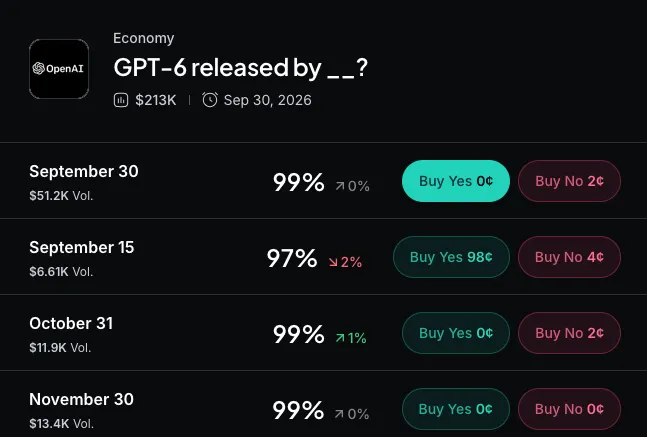
Following the relevant incidents, OpenAI temporarily suspended some of its AI research and training activities, but the release of new products did not cease. This week, the company launched GPT-6 Astra, which had previously been indicated to possess "severe" level networking capabilities. Meanwhile, Google released Gemini 3.8, and Anthropic also introduced Fable 5.1 as well as Mythos 5.1.
Recruitment heats up, but budgets are still catching up.
AI The increasing security pressures have also boosted the market demand for relevant executives. Headhunting companies say that those with AI security construction experience, technical background, and the ability to communicate with board of directors can easily earn salaries in the seven-figure range.
However, rapid growth in demand does not necessarily mean that budgets and tools are already fully in place. Gartner data shows that cybersecurity budgets are expected to increase by 6% in 2026, driven mainly by the deployment and protection tools of AI. IDC indicates that the growth rate of related expenditures in some regions of the Middle East and Africa could reach 16%.
Increasing demand from security vendors
Against the backdrop of rising demand, security vendors have become direct beneficiaries. CNBC mentions that the latest financial reports from CrowdStrike and Okta show a clear increase in defense-related demand. In terms of stock price performance, CrowdStrike and Palo Alto Networks have seen a cumulative increase of about 80% within the year, while Okta's stock price has roughly doubled.
However, the market has not yet formed a unified solution. On one hand, large manufacturers continue to compete for customers through bundled sales; on the other hand, numerous startups are also launching AI security products. For corporate security professionals, the more practical approach at present is often to compare multiple solutions and even deploy several tools simultaneously, waiting for a clearer industry winner to emerge.