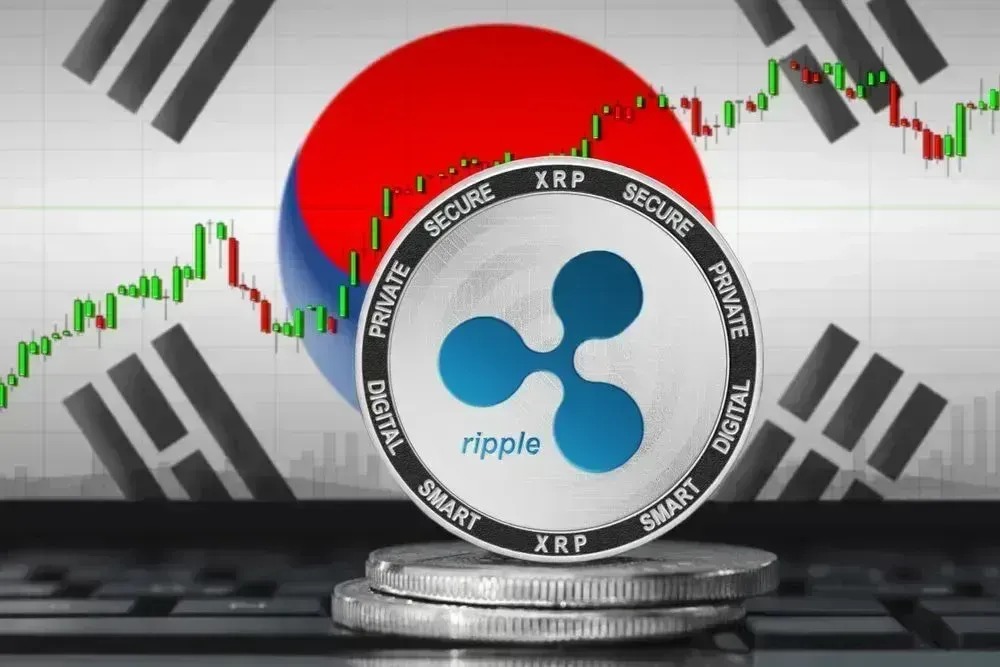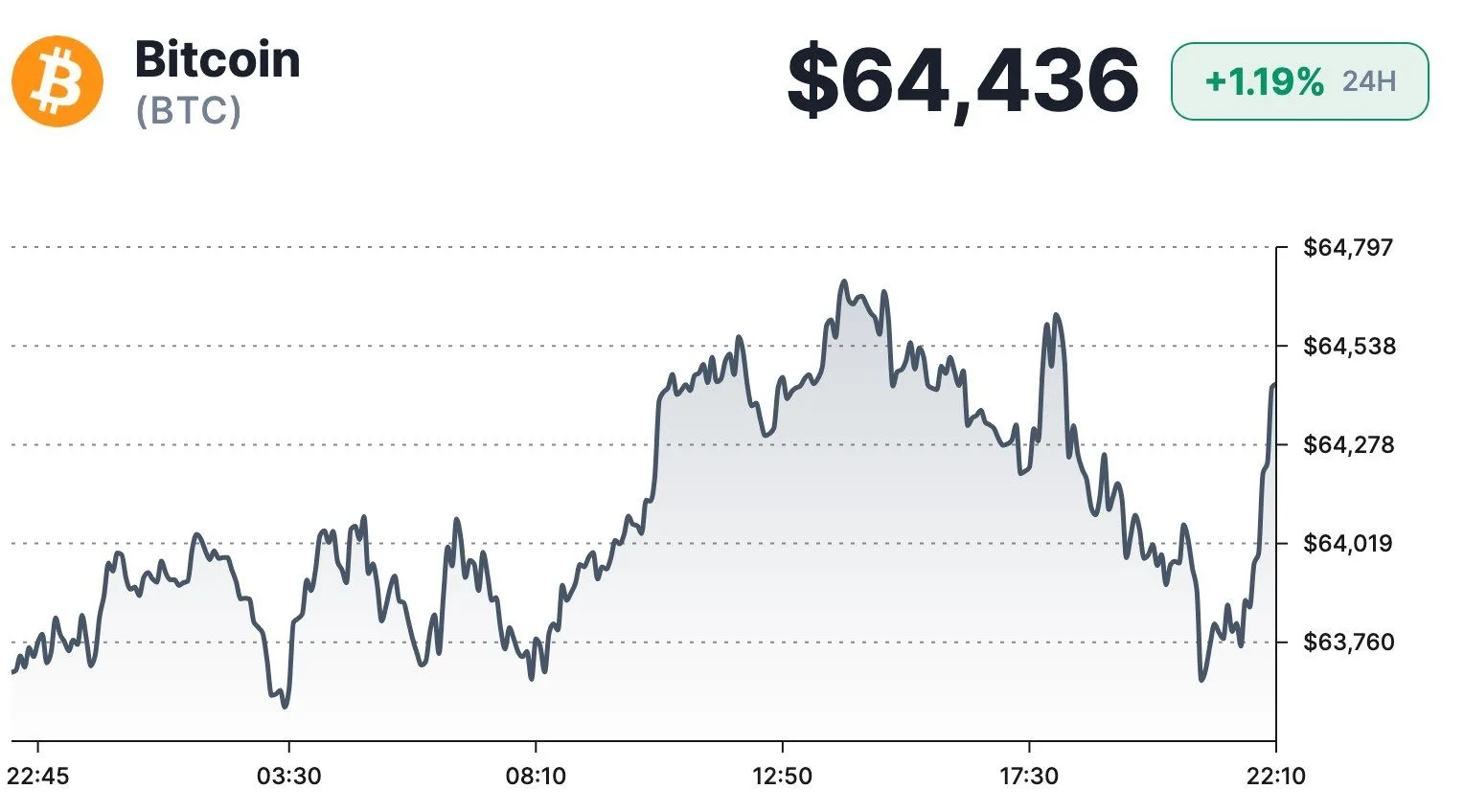


Foreign media reports that Evernorth's Chief Business Officer, Sagar, recently made a clear distinction between Bitcoin and XRP: the former is more like "digital gold" for storing value, while the latter is more suitable for payment and fund transfer functions. The article argues that this judgment reflects some crypto companies' attempts to place different tokens into a clearer financial division of labor.
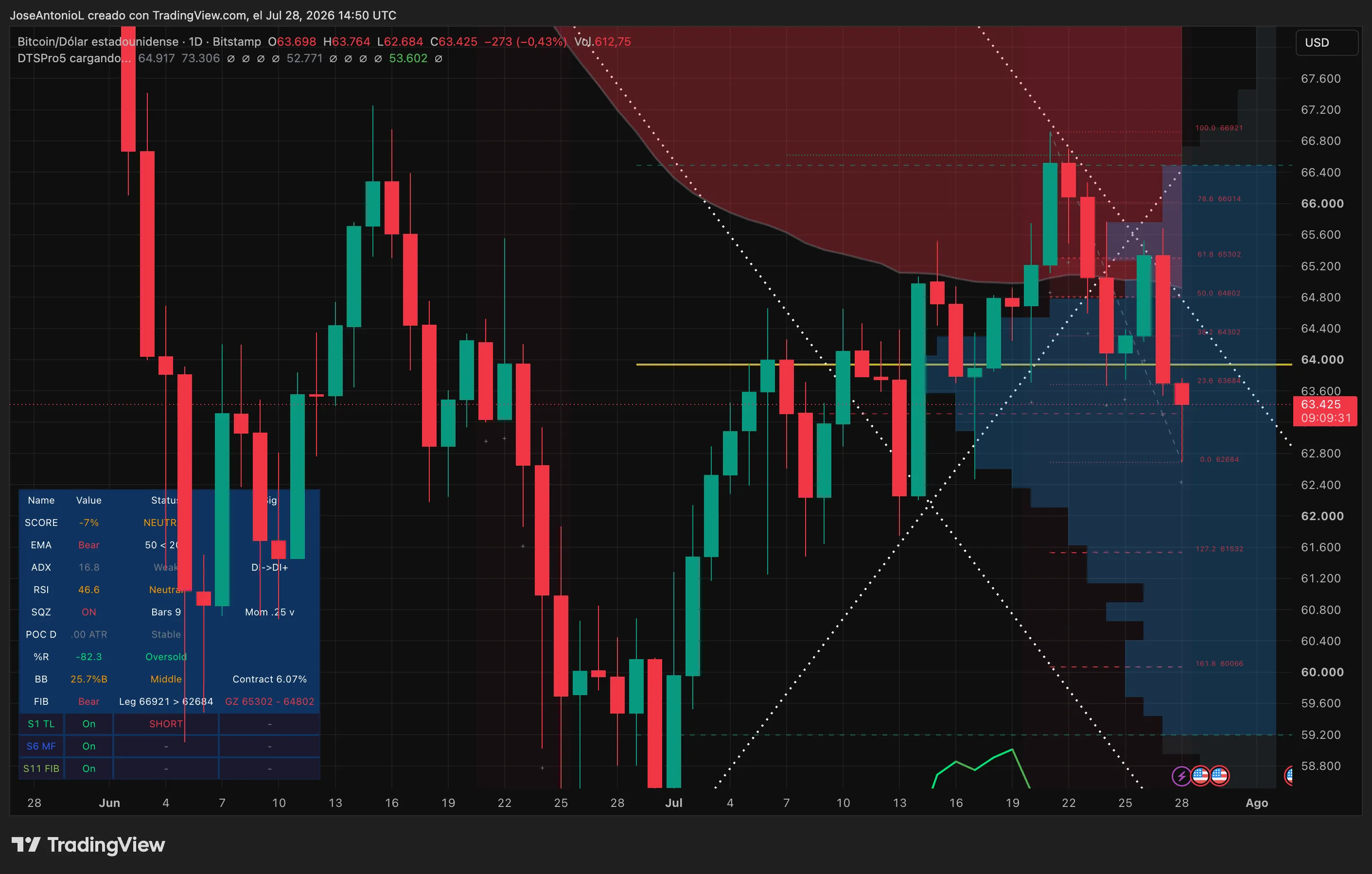
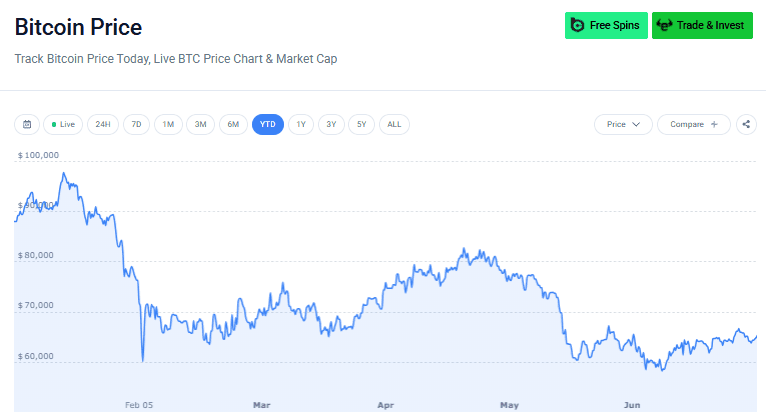
Bitcoin is considered a store of value.
According to Sagar, Bitcoin's core advantage lies in value preservation, not in the efficient transfer of funds. He likens Bitcoin to "digital gold," arguing that this type of asset is better suited for holding rather than for handling everyday payments or corporate settlements.
The article also points out that Evernorth views XRP as a layer more aligned with financial infrastructure. Sagar's reasons include faster settlement speeds, lower transaction costs, and the ability to operate 24/7, without being restricted by traditional bank operating hours.
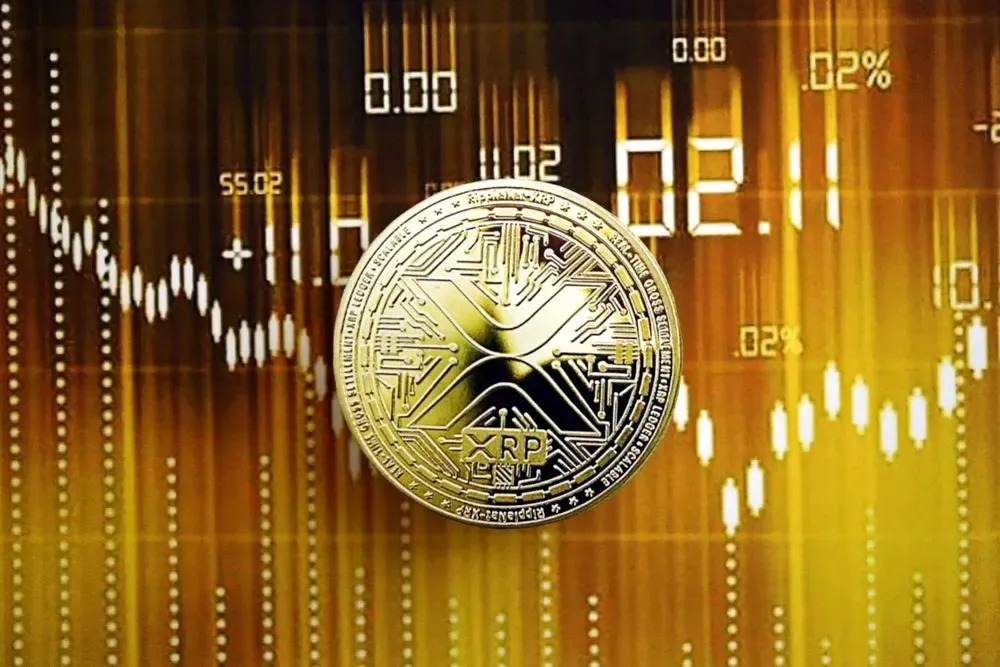
XRP is used in cross-border and corporate finance.
According to Evernorth, XRP is more suitable for the following types of scenarios:
- Cross-border payments and international transfers
- Corporate Treasury Management and Liquidity Allocation
- Financial transactions requiring rapid settlement
Sagar argues that in these scenarios, speed, cost, and availability are more important than simply storing value, therefore XRP is positioned differently from Bitcoin.
The company stated that its focus is on building products using the XRP Ledger.
The article states that Evernorth does not view "buying and holding XRP" as the ultimate goal. Sagar indicated that holding the asset is only the first step, and the company is more focused on developing products and infrastructure on the XRP Ledger. This means that its strategic focus is not only on asset allocation but also on finding practical business applications around the on-chain network.
He also mentioned that XRP has recently received more attention in the Japanese, American, and South Korean markets. The article describes Japan as an important institutional market under Ripple's partnership with SBI Holdings, the United States as benefiting from an improved regulatory environment, and South Korea as one of the most active XRP trading markets globally.
Stablecoins are also considered payment variables.
Besides XRP, Sagar also discussed the role of stablecoins in global payments. The article states that he believes stablecoins may have a more direct impact on cross-border payment systems than traditional banking channels.
The rationale is that traditional cross-border systems often make small-amount transfers too costly, with transaction fees sometimes approaching or exceeding the transfer amount itself. In contrast, blockchain-based stablecoin transfers can reduce friction costs and support faster arrival times.
- Small payments
- Global salary distribution
- AI-driven automated business payments
Overall, this commentary continues the narrative common in the Ripple camp: Bitcoin is more of a store of value asset, while XRP is positioned as an on-chain tool for payments and settlements. Evernorth's statement also indicates that some industry participants are trying to extend the use of XRP Ledger from the trading market to enterprise finance scenarios.