

Foreign media reports indicate that in a recent interview with Zanny Minton Beddoes, editor-in-chief of The Economist, Musk stated that as AI and robotics continue to improve productivity, the importance of currency may significantly decrease by 2036. His core argument is that when society can provide sufficient goods and services at extremely low cost, people's reliance on traditional currency will diminish.
The 2036 forecast is based on "ample supply".
Musk believes that the primary role of money is to help people access resources such as food, housing, transportation, and entertainment. However, if machines can produce on a larger scale and continuously reduce costs, the role of scarcity in some economic activities will diminish.
According to this vision, AI and robots may take over a large portion of the work currently done by humans and elevate the supply of goods and services to a higher level. Musk also suggested that if systems can provide resources beyond an individual's actual needs, the significance of simply accumulating wealth will be re-examined.
Discussions about Bitcoin have subsequently intensified.
The article states that this statement has attracted attention in the crypto market because it is related to Musk's past remarks on "energy and currency." He previously stated that governments can continue to print more fiat currency, but energy itself cannot be created out of thin air. Therefore, some crypto supporters regard Bitcoin as a monetary system that is closer to being "energy-pegged."
However, Musk did not explicitly define Bitcoin as the future global currency in this statement. Foreign media articles suggest that his assessment focuses more on the changes in production methods brought about by AI, rather than directly endorsing any particular crypto asset.
Tesla and SpaceX remain key players to watch.
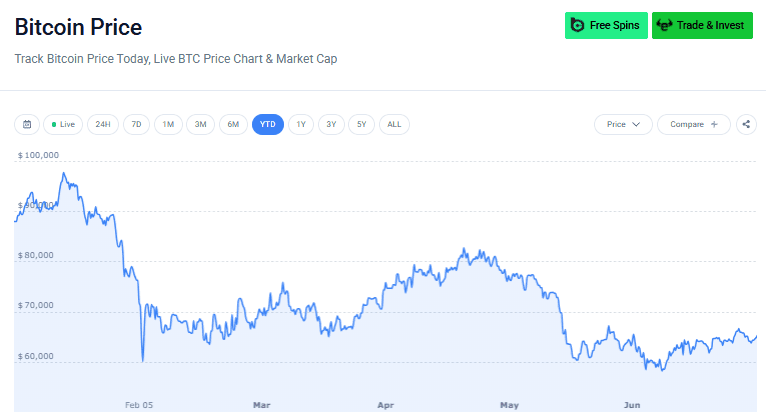
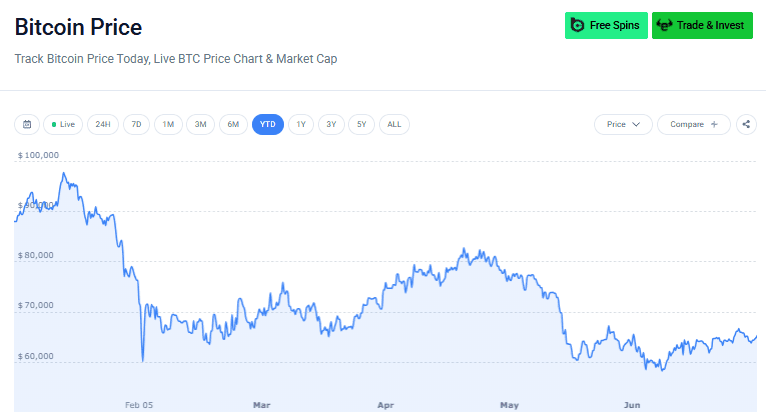
The article mentions that Tesla and SpaceX still hold significant Bitcoin positions. According to the data in the article, SpaceX holds approximately 18,712 Bitcoins, and Tesla holds approximately 11,509. If each Bitcoin is valued at approximately $65,000, the combined value of the two companies' holdings is close to $2 billion.
Against this backdrop, discussions about Bitcoin have taken two directions: if goods and services become more readily available in the future, the demand for all currencies may decrease; however, if fiat currencies continue to expand while the total supply of Bitcoin remains unchanged at 21 million, its scarcity attribute may still be regarded by some supporters as a store of value.
The article also points out that this vision remains highly forward-looking. Achieving large-scale "supply sufficiency" by 2036 depends on the simultaneous advancement of robotics, AI infrastructure, energy supply, and manufacturing capabilities.