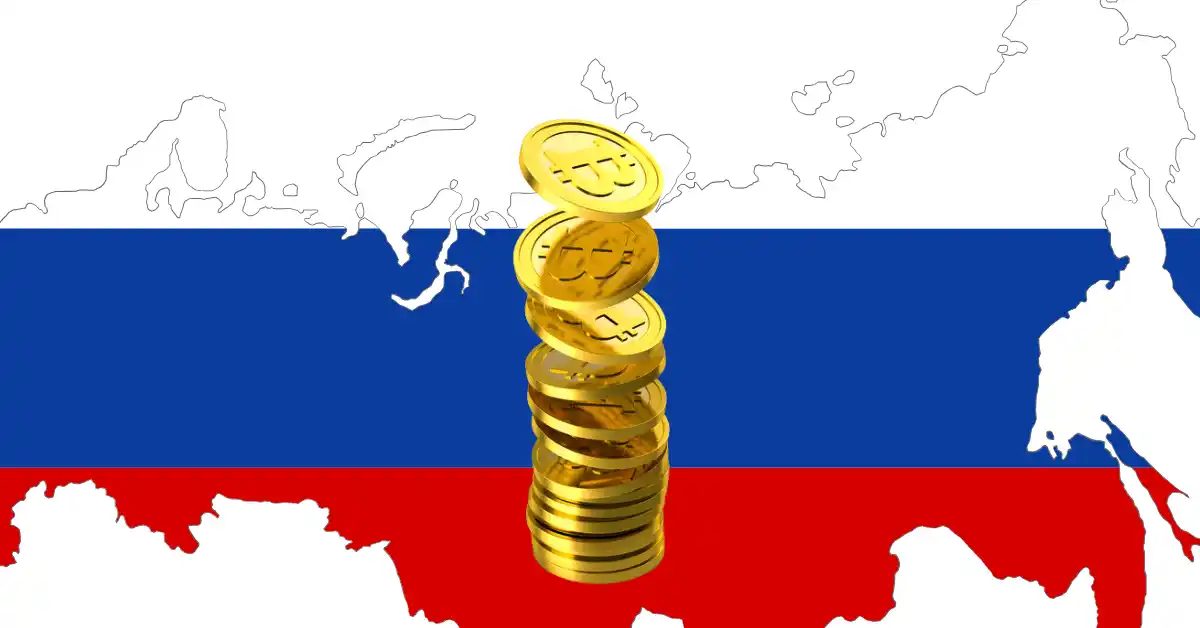


The European Union has announced its 21st round of sanctions against Russia, extending restrictions to crypto payment networks, stablecoins, and related service providers. This measure targets not only Russian domestic financial institutions but also related cross-border crypto services, demonstrating that the EU is prioritizing digital asset channels in its sanctions enforcement efforts.
A7 network and stablecoins are highlighted.
This round of sanctions targets the A7 cross-border payment network and the A7A5 stablecoin, which is allegedly used to circumvent sanctions. The EU stated that the A7 network has extended its business connections to Africa in recent years, thus bringing its payment channels under greater scrutiny.
Chainalysis, a blockchain analytics firm, previously stated that the A7 network, on which A7A5 operates, has processed nearly $120 billion in transactions, and that the network was designed to serve Russia's cross-border settlement needs in order to circumvent sanctions.
First consideration of restricting third-country encryption service providers
This time, the EU also proposed for the first time the possibility of imposing comprehensive restrictions on third-country crypto asset service providers. Under the design of the new tool, EU operators could be prohibited from transacting with any crypto service provider identified as serving Russia.
This means the sanctions will no longer be limited to entities within Russia, but may extend further to overseas platforms, payment channels, and related service nodes. The report mentions that the EU has currently targeted 14 crypto companies, but the list has not yet been released.
Banks and financial institutions are simultaneously restricted
In addition to measures related to digital assets, the EU will freeze the assets of 94 banks and major financial institutions and prohibit the provision of funds to them. The transaction ban has also been extended to another 33 Russian credit and financial institutions.

EU High Representative for Foreign Affairs and Security Policy Karas said the measures cover hundreds of banks and crypto operators, as well as more than 40 Russian "shadow fleet" vessels and several oil refining facilities in Russia and Belarus.
Russia has just passed a crypto regulatory framework
It is worth noting that just three days before the new sanctions were introduced, the Russian State Duma passed the country's first relatively comprehensive regulatory framework for cryptocurrencies. The new law establishes a legal basis for crypto exchanges, custodians, other digital asset service providers, as well as traders and investors, with most provisions scheduled to take effect on September 1.
When the EU announced its previous round of sanctions against Russia in April, it stated that Russia was increasingly relying on cryptocurrencies for international transactions. This further tightening of restrictions indicates that the EU is attempting to close off alternative settlement channels beyond traditional financial sanctions.