

South Korean regulators have decided to tighten retail trading requirements for single-stock leveraged ETFs and ETNs ahead of schedule. The new rules raise the minimum deposit requirement from 10 million won to 30 million won and only accept cash, excluding collateral such as stocks, ETFs, and bonds. The two measures, originally planned to be implemented in phases, will now take effect simultaneously on July 31.
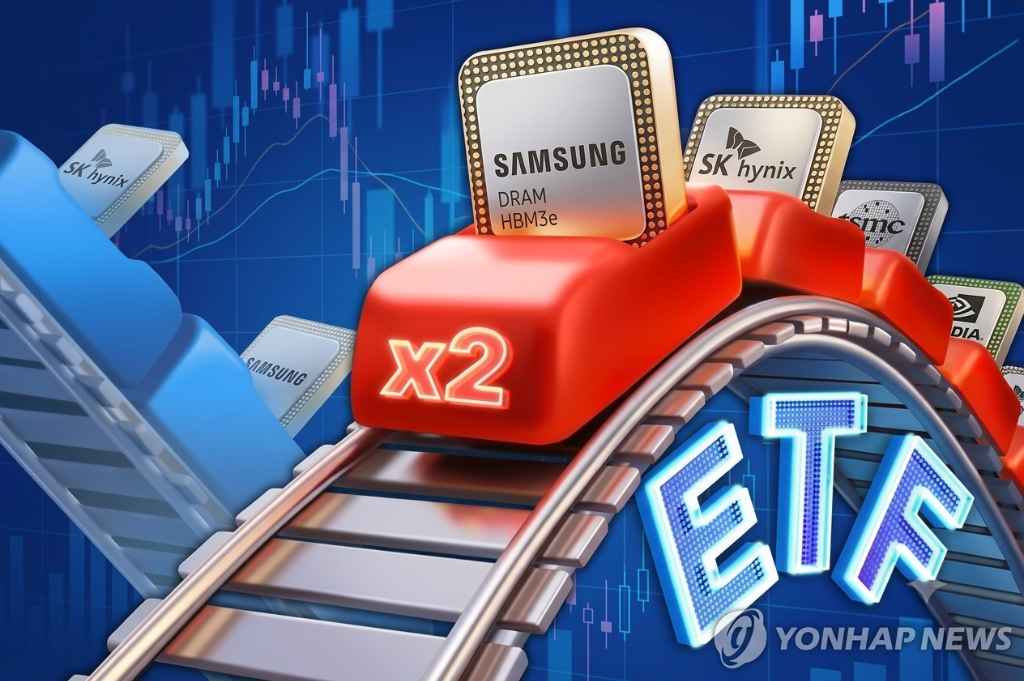
This adjustment covers all leveraged single-stock products listed on both domestic and overseas exchanges in South Korea. This includes local products tracking companies like Samsung Electronics and SK Hynix, as well as leveraged ETFs and ETNs tracking overseas stocks such as Tesla and Nvidia. Existing investors wishing to add to their positions will also need to meet the new cash threshold; selling existing holdings is not subject to this restriction.
The product scale expanded rapidly within two months.
The accelerated implementation of regulations is directly related to the overheated trading of related products after their listing. South Korea launched individual stock leveraged products on May 27, initially covering 16 underlying assets with a total market capitalization of approximately 4.4 trillion won. By July 15, this figure had risen to 11.9 trillion won, an increase of over 170% in less than two months.
Trading volume also surged. Reports indicate that the average daily trading volume of related products increased from 10.4 trillion won on the first day of listing to 13 trillion won on July 15. As a result, regulators coordinated with the securities industry to expedite the system upgrade, combining the previously two-step process of raising the threshold and tightening guarantee requirements into a single, earlier implementation.
- Minimum deposit requirement increased from 10 million Korean won to 30 million Korean won.
- Effective date: The phased implementation in August has been changed to a simultaneous implementation on July 31.
- Applicable to: Leveraged ETFs and ETNs of single stocks listed in South Korea and overseas.
Cash verification methods are being tightened simultaneously.
In addition to raising the threshold, regulators have also adjusted the definition of "cash." Under the current rules, the proceeds from the sale of stocks can be credited to the cash balance on the same day. Under the new rules, these funds will only be credited to the minimum deposit after settlement, meaning they will only be effective after the funds arrive in the account on the second trading day following the sale.
At the same time, loans secured by proceeds from stock sales will be excluded from the minimum deposit calculation. This means that the range of funds available to investors to meet the eligibility criteria will be further narrowed, and short-term maneuvering space will be compressed.
Furthermore, the current system allows securities firms to appropriately lower the threshold after a client has traded for three months, taking into account factors such as trading experience. Under the new regulations, such relaxed arrangements will be prohibited; securities firms will only be able to maintain or raise the requirements, and will no longer be able to lower the standards on their own.
More restrictions are still underway.
This increase in the threshold is not an isolated action. South Korean financial authorities have suspended the launch of related new products and banned advertising since July 16. They will further tighten the tracking error management standard from 3% to 2% and increase penalties for violations.
Regulators are also discussing further measures to curb demand, including reducing the number of liquidity providers for leveraged equity ETFs, widening bid-ask spreads, and lowering the current 2x leverage to approximately 1.5x. The planned increase in the minimum trading unit, originally scheduled for November, is also under discussion regarding whether to bring it forward.
If some securities firms fail to complete their system upgrades by July 31, regulators will recommend that they suspend new trading of such products. Overall, South Korea is attempting to cool down the rapidly escalating leveraged trading in individual stocks by raising cash thresholds, tightening settlement criteria, and restricting product supply.