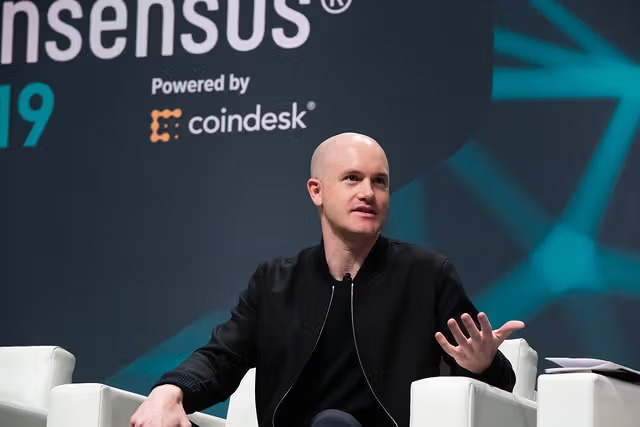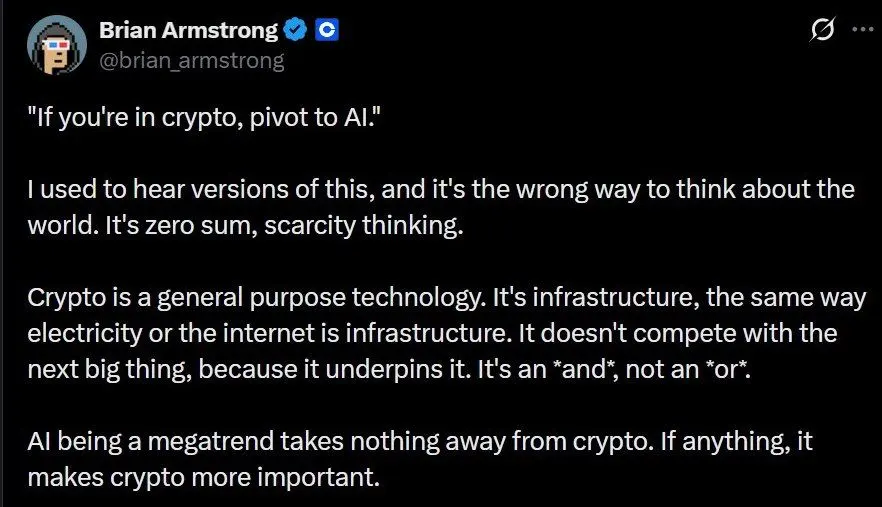


Coinbase CEO Brian Armstrong publicly refuted the claim that "money should shift from crypto to AI," stating that crypto is not a single narrative destined to be replaced by the next wave of technology. In his view, the expansion of AI will actually make on-chain financial infrastructure even more important.
Armstrong stated that future AI agents will need their own payment, settlement, and value transfer systems, and their daily transaction volume may far exceed current human levels. Based on this assessment, Coinbase is considering Base, USDC, and the x402 protocol as part of the relevant infrastructure, betting on AI-driven on-chain payment scenarios.
Coinbase bets on AI-powered proxy payments
Armstrong's core argument is that AI and cryptography are not mutually exclusive. On the contrary, as AI agents gradually participate in automated execution, service invocation, and machine-to-machine transactions, traditional financial mechanisms may not be able to meet the high-frequency, low-friction native payment needs.
He mentioned that Coinbase is already building this type of infrastructure, including on-chain networks, stablecoin payments, and protocol layers for agent-based interactions. The article cites him as saying that Base, USDC, and x402 have already been used to support most agentic payments, i.e., payment activities oriented towards AI agents.
AI continues to siphon funding and attention.
However, the market's assessment that "AI is stealing the spotlight from crypto" is not without basis. The article mentions that many analysts believe AI is drawing away capital, talent, and public attention that might otherwise have flowed into the crypto industry.
According to OECD data, AI companies attracted 61% of global venture capital funding in 2025, totaling nearly $259 billion. In the US, 41% of venture capital also flowed to AI startups, with companies like OpenAI and Anthropic completing large-scale funding rounds.
- AI will receive 61% of global venture capital funding by 2025.
- The total amount of financing is close to US$259 billion.
- 41% of venture capital funding in the US goes to AI startups
Crypto funding is under pressure, but cross-scenarios are still in their early stages.
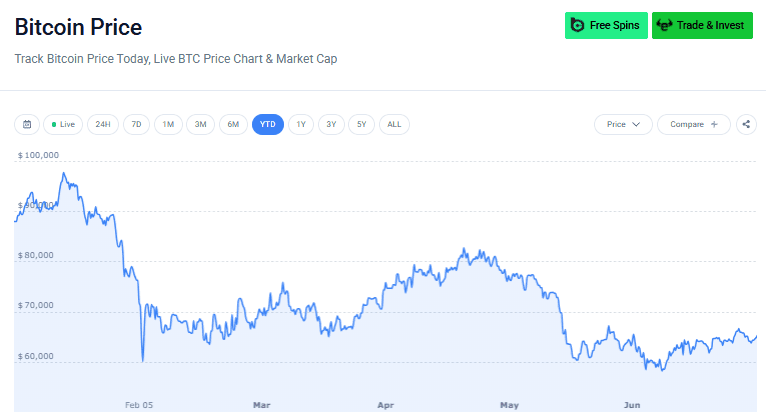
The article also mentions that Galaxy Research believes that with investors continuing to increase their investment in AI, venture capital funds focused on crypto are facing significantly increased difficulty in raising capital. Latest data shows that the number of crypto venture capital deals has fallen to a near five-year low.
However, this does not mean that AI and encryption can only be substitutes for each other. The article points out that while AI may continue to divert industry resources, it is also giving rise to new application scenarios for blockchain, especially in areas such as autonomous machine payments, on-chain identity, and verifiable execution.
A recent survey by researchers from several universities also shows that truly large-scale integration of AI and encryption is still in its early stages. This means that while the narrative surrounding it is gaining traction, it is still some distance from forming a mature market.