

Following the EU's imposition of a fine of approximately €890 million on Google under the Digital Markets Act, US President Trump announced an immediate Section 301 investigation into the EU. This move suggests that Washington may further assess the EU's regulatory practices towards US companies and pave the way for subsequent tariff measures.
Google's fine sparks backlash
The European Commission stated that Google violated the Digital Markets Act and therefore imposed a penalty. This is the first time Google has been fined under this EU law, which targets large platforms.
One of the fines, amounting to €460 million, concerns the EU's finding that Google prioritized its own shopping, hotel, transportation, and sports services in search results. The report notes that the EU's total fines against Google amount to approximately €890 million, or about $1 billion.
Section 301 investigation targets tariff tools
Section 301 of the Trade Act of 1974 allows the United States to investigate foreign trade practices and take retaliatory measures, including imposing tariffs, if it finds unfair conduct.
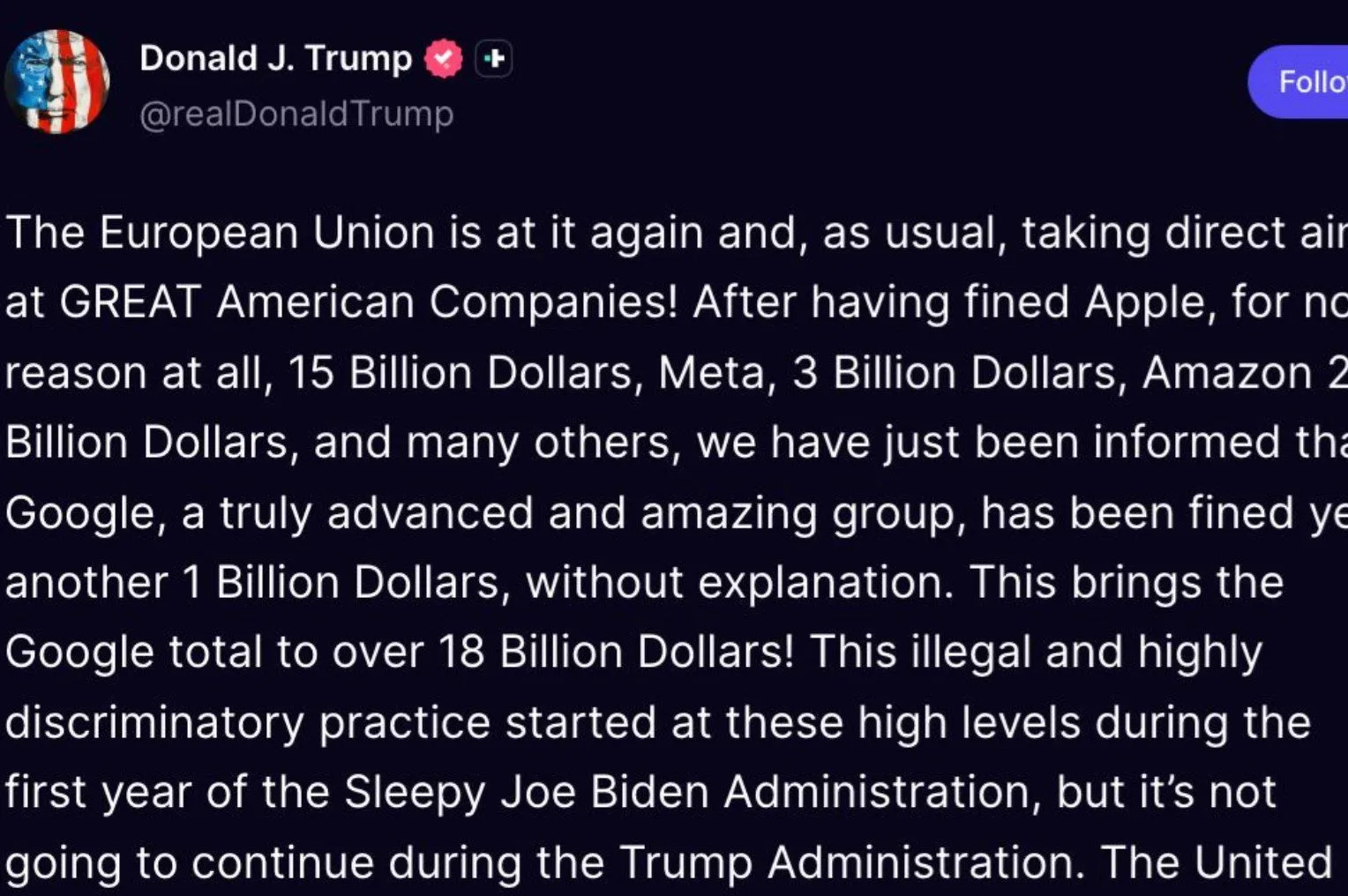
Trump stated that the administration will investigate whether the EU has engaged in practices of "plundering" American businesses and taxpayers, and warned the EU that it will pay a heavy price for this. The report points out that this process will determine whether the US will move from verbal warnings to actual trade measures.
This statement comes after the US imposed a new round of tariffs on approximately 60 trading partners, including the European Union. The report states that the new tariffs, ranging from 10% to 12.5%, took effect on Friday.
The differences between Europe and the United States have widened again.
The EU has consistently maintained that its digital regulatory rules are not specifically targeted at US companies. However, the US continues to deny this, arguing that EU enforcement is clearly focused on US technology companies.
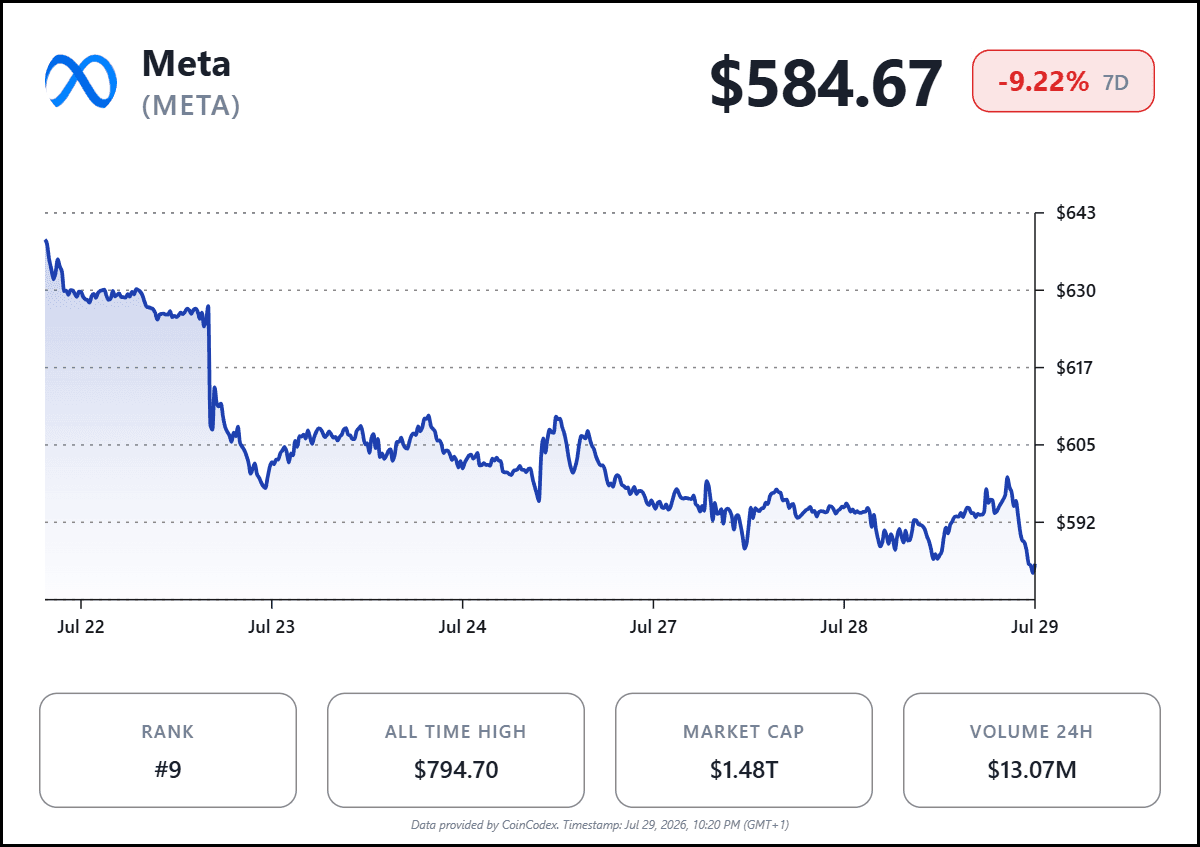
Trump also mentioned previous EU penalties against other US companies, including approximately $15 billion against Apple, $3 billion against Meta, and $2.5 billion against Amazon. With Google facing further penalties, friction between the US and Europe over digital regulation and trade policies has escalated further.
This new dispute has also put pressure on the trade framework reached between the US and the EU last year. Under the agreement at that time, the US lowered tariffs on European cars, and the EU made corresponding concessions. Now, disagreements over technology regulation have once again become a new variable in their relationship.