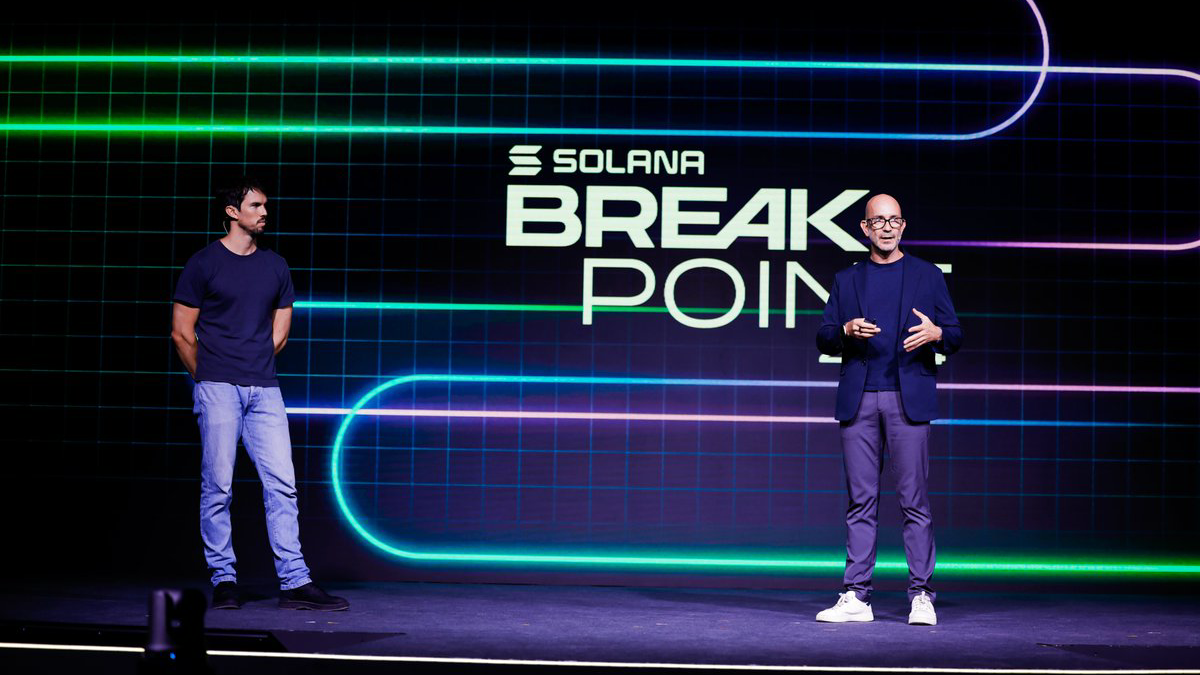




Solana co-founder Anatoly Yakovenko has issued a stark warning that
faces a 50% probability of a quantum computing breakthrough within five years, which could compromise the cryptographic protections underpinning the networkSolana’s Yakovenko Says Bitcoin Must Upgrade to Survive Quantum Threat[1]. Speaking at the All-In Summit 2025, Yakovenko emphasized the existential threat posed by quantum machines capable of running algorithms like Shor’s, which could break the Elliptic Curve Digital Signature Algorithm (ECC) securing Bitcoin walletsSolana’s Yakovenko Says Bitcoin Must Upgrade to Survive Quantum Threat[1]. Such a development would enable attackers to forge transactions and steal funds, undermining the network’s integrity. Yakovenko argued that Bitcoin must adopt quantum-resistant cryptographic signatures to mitigate this risk, though the process would require a contentious hard fork—a technically complex and politically fraught upgrade that demands widespread consensus across the decentralized networkSolana’s Yakovenko Says Bitcoin Must Upgrade to Survive Quantum Threat[1].The urgency of the threat stems from rapid advancements in quantum computing. Yakovenko highlighted how artificial intelligence and other fields have accelerated the transition of lab-based innovations into real-world applicationsSolana’s Yakovenko Says Bitcoin Must Upgrade to Survive Quantum Threat[1]. While current quantum computers lack the qubit capacity to break ECC, experts project that machines with millions of qubits could achieve this feat by the late 2020s or early 2030s. This timeline aligns with estimates from researchers like Gavin Brennen, who noted that required quantum resources for cracking ECC have decreased significantly since 2017. Yakovenko’s 50/50 risk assessment reflects the growing convergence of AI and quantum computing, which are compressing development timelines beyond earlier predictions.
Bitcoin’s resistance to protocol changes complicates the response. Unlike newer blockchains that prioritize adaptability, Bitcoin’s design resists major alterations to preserve decentralization and securityQuantum Danger Ahead? Solana Co-Founder Says Bitcoin Must Upgrade Before 2030[2]. Yakovenko acknowledged that migrating to post-quantum cryptography would require a hard fork, a process that risks network fragmentation and requires coordination among miners, developers, and usersSolana’s Yakovenko Says Bitcoin Must Upgrade to Survive Quantum Threat[1]. The National Institute of Standards and Technology (NIST) has already standardized three post-quantum signature schemes—CRYSTALS-Dilithium, FALCON, and SPHINCS+—but implementing them on a decentralized network remains a logistical challenge. Additionally, quantum-resistant algorithms typically demand larger key sizes and higher computational power, which could slow transaction speeds and increase energy consumption for mining operations.
The warning has sparked debate within the crypto community. Blockstream CEO Adam Back and Bitcoin Core contributor Peter Todd have downplayed the near-term risk, with Todd dismissing the existence of functional quantum computers capable of breaking ECCQuantum Danger Ahead? Solana Co-Founder Says Bitcoin Must Upgrade Before 2030[2]. Dashjr, another Bitcoin Core contributor, argued that the network’s current vulnerabilities—such as spam attacks and governance issues—are more pressing concernsQuantum Danger Ahead? Solana Co-Founder Says Bitcoin Must Upgrade Before 2030[2]. Despite these counterarguments, Yakovenko and others stress that proactive measures are necessary given the unpredictable pace of technological advancement. El Salvador’s recent redistribution of its Bitcoin reserves across 14 addresses and BlackRock’s inclusion of quantum risks in Bitcoin ETF filings underscore the growing awareness of this threat.
As the industry weighs the urgency of action, the debate highlights the tension between Bitcoin’s foundational principles and the need for adaptability in a rapidly evolving technological landscape. Yakovenko’s call for immediate preparation contrasts with more cautious stances, but the consensus remains that quantum computing represents a critical risk requiring long-term planning. With tech giants like
, , and advancing their quantum initiatives, the window to act may be narrower than previously anticipated.