Key Points
- Samsung Wallet has integrated stablecoin payments on both blockchains.
- The liquidity of the stablecoin held by Solana is nearly 21 times that of Sui.
- Sui uses protocol-layer Gas stablecoin transfers to challenge competitors
Sui and Solana are increasingly competing for a share of the global digital payment market. As Samsung continues to expand its cryptocurrency infrastructure, both blockchains are gaining opportunities to reach mainstream consumers.
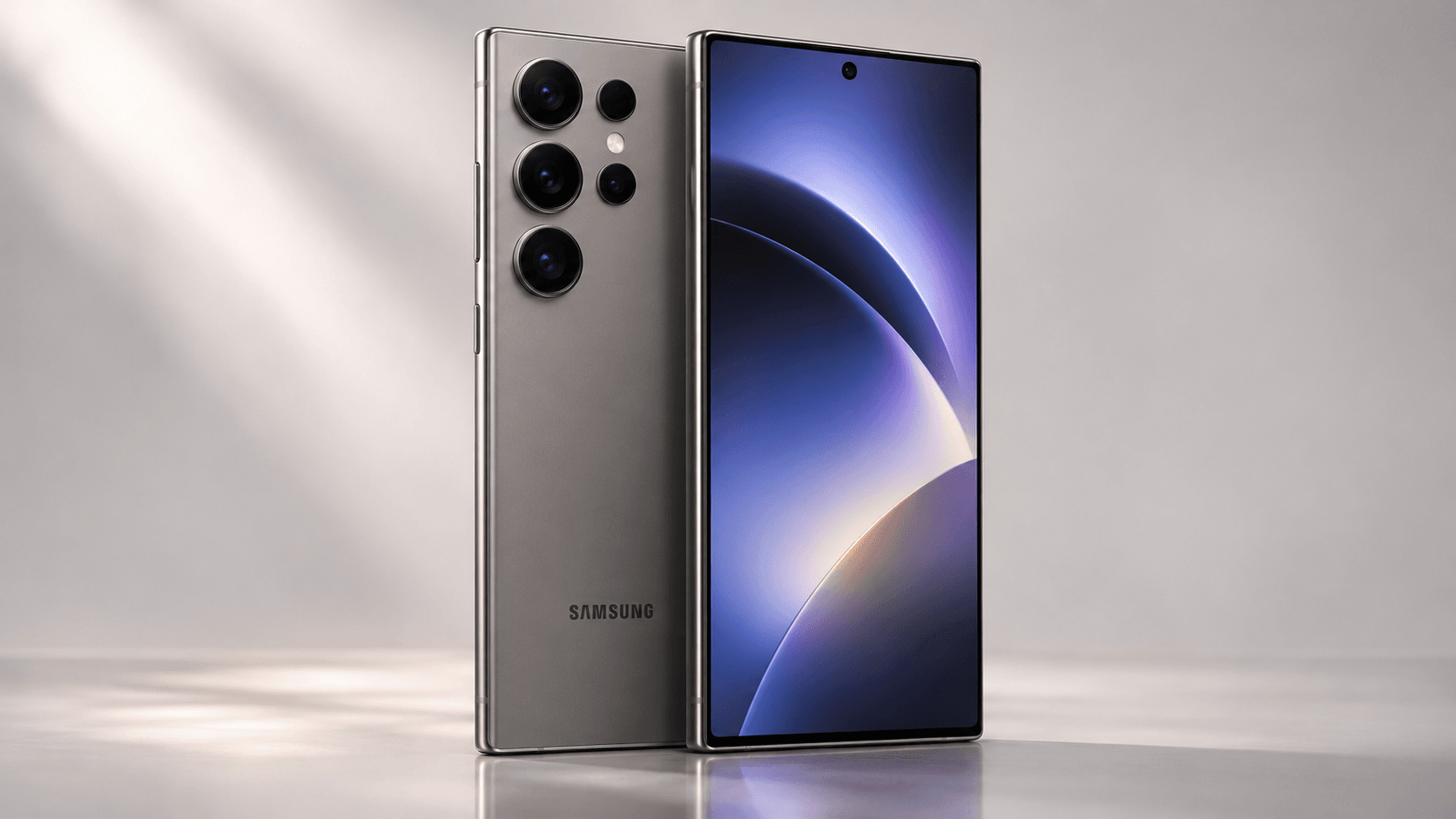
Samsung's stablecoin plan may cover 82 million compatible Galaxy devices in the United States, allowing eligible users to transfer USDC without the need to install a separate cryptocurrency application.
This advancement represents an important milestone for Sui. Previously, Sui had expanded its reach to consumers through integration with Phantom Wallet. However, the much larger stablecoin ecosystem of Solana may give it an advantage in competing for institutional payment adoption.
Samsung brings Sui and Solana into mainstream payments
According to Samsung's official announcement, its stablecoin payment infrastructure includes both Sui and Solana, while the hosting services are provided by Bastion and Coinbase.
The USDC transfer, based on Solana, was launched on November 2nd, while the deployment of Sui was further expanded later in November.
The main technical advantage of Sui is its reliance on the stablecoin infrastructure of Gas, a feature that was launched in May 2026. Users can transfer supported stablecoins without incurring network fees, and there is no need to hold a separate balance of SUI.
This feature is built upon the foundation of Sui's earlier native integration with USDC, which laid the groundwork for blockchain payments denominated in US dollars.
However, Samsung's integration does not place exclusive bets on any one network. The company's decision to support multiple blockchains indicates that mainstream payment service providers may place more emphasis on interoperability rather than relying on a single ecosystem.
Solana Still Maintains Significant Institutional Advantages
According to the data from DefiLlama on November 28th, the supply of stablecoins on Solana is approximately 13.12 billion US dollars, while on Sui it is 633.65 million US dollars.
Therefore, the stablecoin ecosystem of Solana is approximately 20.7 times larger than that of Sui, giving it a clear advantage in terms of available liquidity.
This network has also attracted mature financial companies such as Visa, PayPal, and Western Union.
Earlier this year, Western Union launched USDPT. This is a stablecoin built on Solana and backed by the US dollar, which connects blockchain infrastructure with its international remittance services.
Solana The payment capabilities for consumers are also extended through services such as Visa integration provided by Oobit, enabling cryptocurrency users to access the traditional merchant network.
Sui is also seeking similar opportunities through cooperation, such as integration with the African payment platform Paga, demonstrating its ambition to go beyond the native crypto market.
Will payment drive demand for SUI and SOL?
The increase in the adoption rate of blockchain payment infrastructure does not necessarily translate proportionally into demand for native cryptocurrencies.
Samsung Wallet users who transfer from Sui to USDC do not need to purchase SUI. Although this eliminates a major obstacle for mainstream adoption, it also limits the demand for tokens that are directly related to transactions.
Sui is attempting to address this challenge through a revenue model: utilizing profits related to stablecoins to fund the repurchase of SUI. The repurchased tokens are reintroduced into its ecosystem rather than being permanently removed from circulation.
Transactions involving Solana usually require the payment of a handling fee in the form of SOL. However, payment service providers can abstract these costs from consumers.
Network reliability is still very important, especially considering that both of these blockchains have a history of service interruptions.