Key Points
- With the rebound of precious metals, silver futures soared by 7.2%
- After the market sell-off last week, buying orders accelerated as prices fell.
- The Federal Reserve is still expected to be a key factor affecting silver prices.
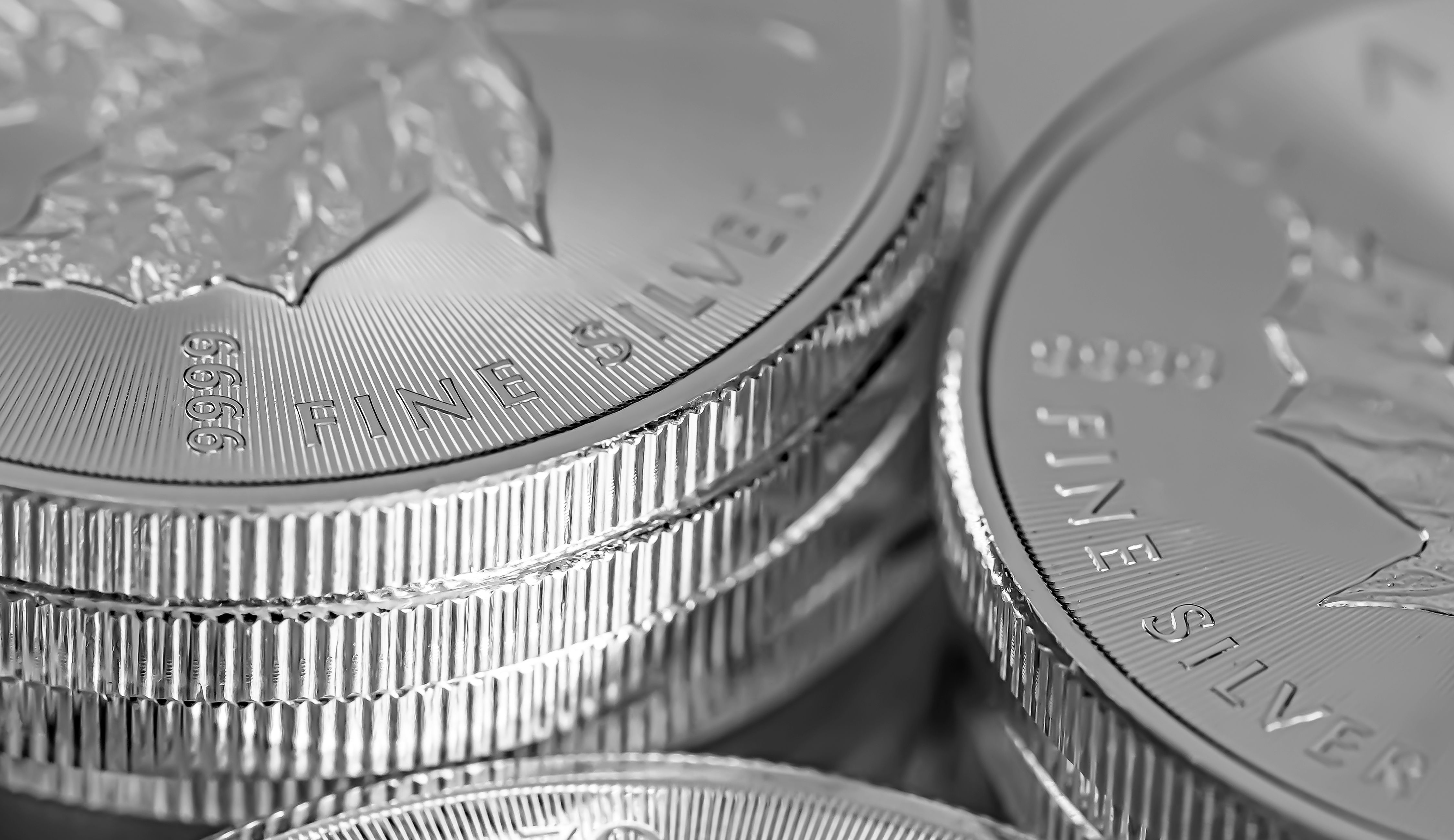
On Monday, November 23rd, following last week's market sell-off, precious metals experienced a strong rebound, with silver prices soaring accordingly. Silver futures rose by about 7.2% during the session to $44.07 per ounce, and spot silver also recorded a significant increase.
Why has the price of silver risen today?
The biggest catalyst behind the rise in silver on Monday seems to be the renewed interest from buyers after the recent decline in metal prices. Previously, as investors reduced their exposure to high-volatility assets, silver, along with gold and the U.S. stock market, tumbled significantly.
This rebound coincides with an improvement in the overall market sentiment, especially as technology stocks have shown a recovery. Due to the higher volatility of silver over time, its rebound has been further amplified, and its percentage increase has also surpassed that of gold.
This trend also emerged after the rise in U.S. Treasury yields and the strengthening of the dollar, which put significant pressure on silver. Since silver itself does not generate interest income, if markets expect further tightening of monetary policy, its attractiveness compared to profitable assets will decline.
However, the rebound on Monday indicates that traders are re-evaluating whether the previous round of selling was excessive. This recovery echoes earlier situations: when market expectations regarding monetary policy change, prices of gold and silver tend to react strongly.
The silver market will experience a supply gap for the sixth consecutive year.
Despite the recent significant fluctuations, the basic supply-demand balance for silver remains relatively tight. According to a report released by the Silver Association ( Silver Institute ) in November, it is estimated that global silver demand in 2026 will exceed supply by 35 million ounces, marking the sixth consecutive year with an annual supply deficit.
However, the total demand for silver is expected to decline by 5% to 1.08 billion ounces, while industrial consumption is expected to fall by 3%. This contradictory outlook helps to explain why, despite the ongoing supply shortage, the silver market remains highly sensitive to investors' expectations.
The Silver Association also expects that industrial demand, excluding photovoltaic applications, will grow by 4.5%, with supporting factors including the electrification of automobiles and related infrastructure. Although the weakening of solar energy consumption is still a concern, this longer-term demand may provide some support.
Can silver continue to rise this week?
The next important catalyst is the upcoming release of the U.S. Personal Consumption Expenditures (PCE) inflation report ( PCE ). This data could affect market expectations regarding the Federal Reserve's interest rate path and determine whether this rebound in silver can continue.
If prices continue to stay above $44, it may encourage buyers to test the psychologically significant level of $45. On the other hand, if selling pressure emerges again, the $42 area may become the focus of attention once more, especially if inflation data strengthens market expectations for tighter monetary policy. The report points out that these price levels are merely potential price scenarios and not confirmed technical support or resistance levels.
As previously analyzed regarding the prospects for silver prices, interest rate expectations remain the core factor driving the XAG / USD trend. Traders will also be watching the outlook for gold prices to determine whether a broader rebound in precious metals is gaining momentum.