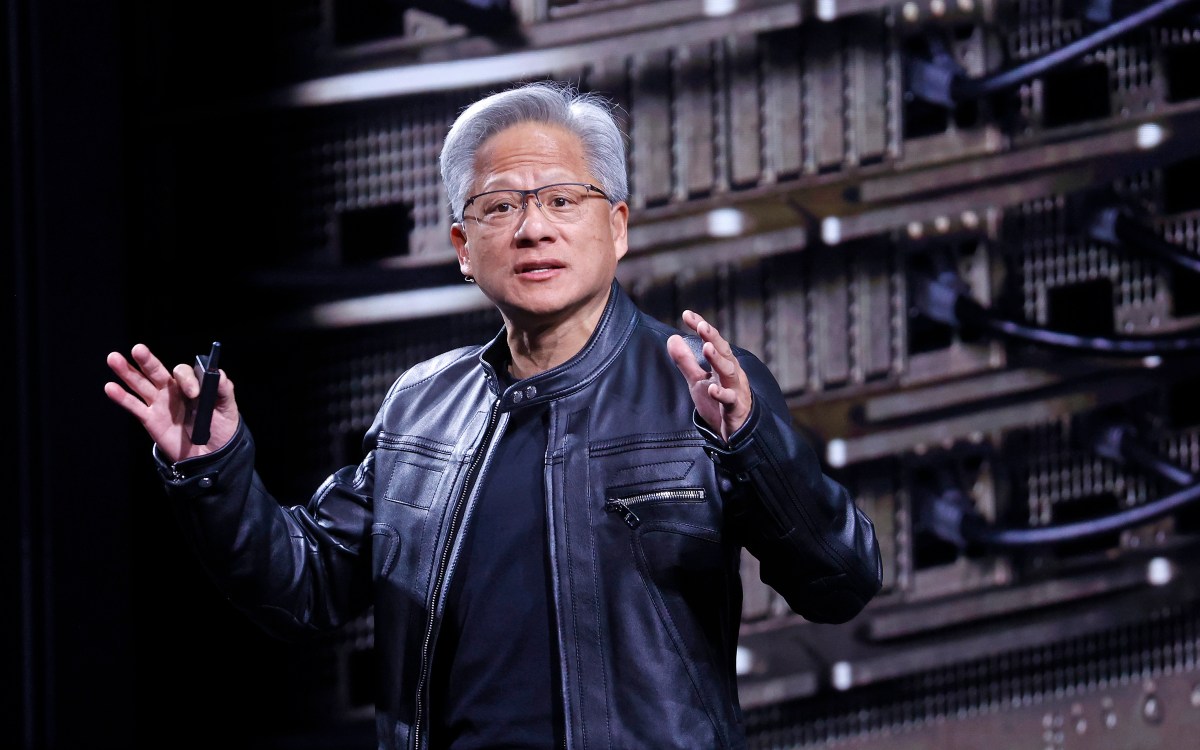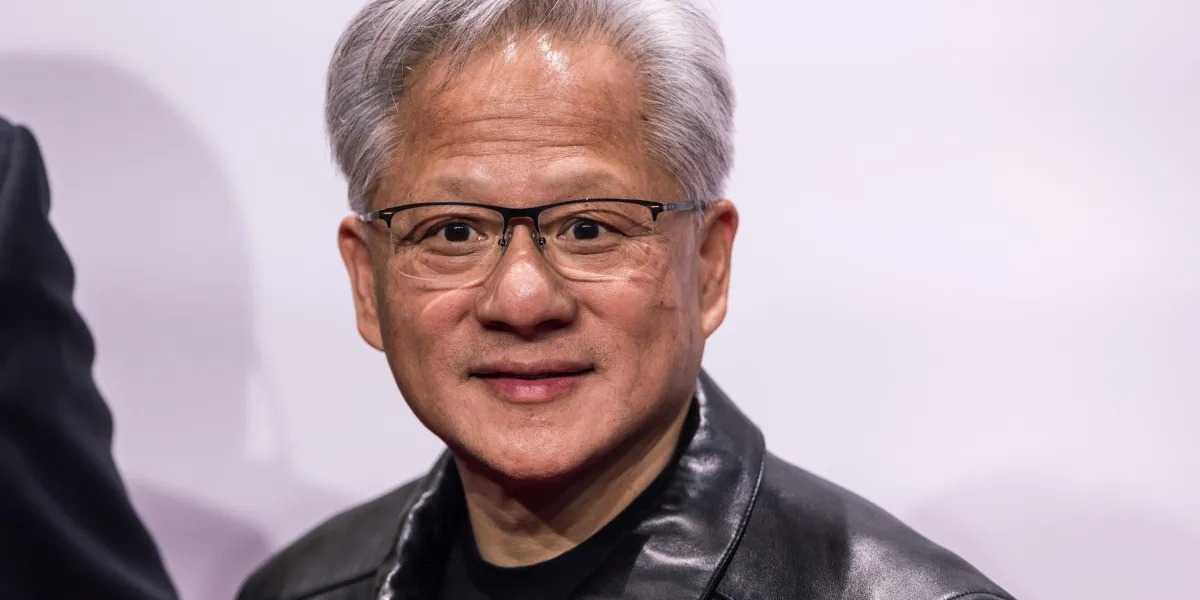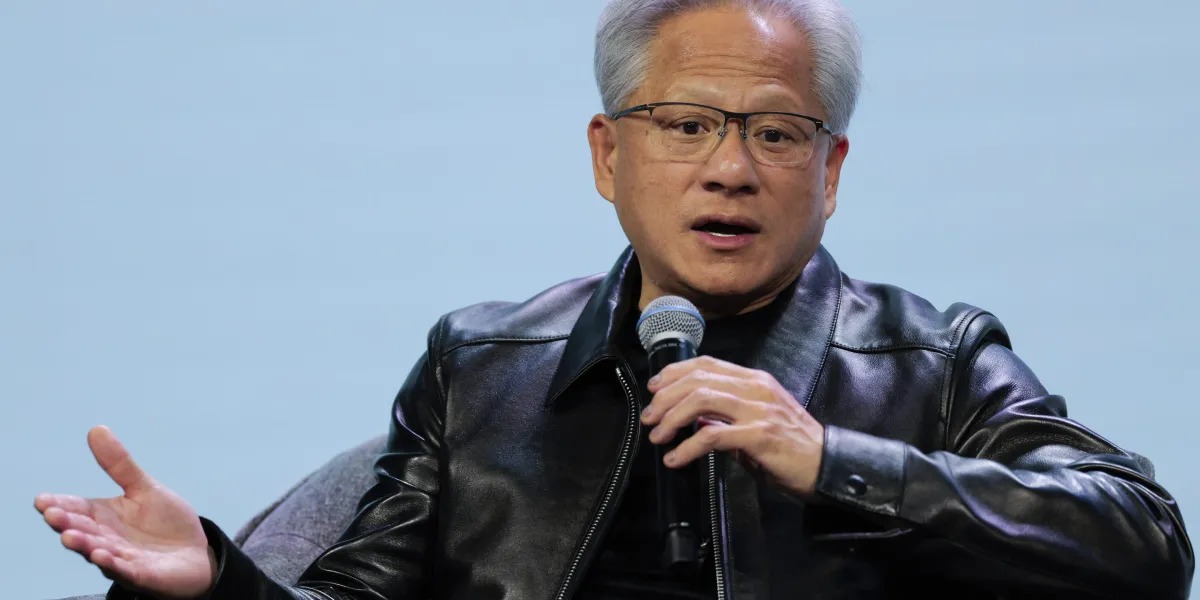


Wall Street's all-in bet on the AI craze once helped evaporate $8 trillion in market value from the stock market; however, after Jensen Huang returned to take on the role of NVIDIA CEO, the market rebounded on Monday.
On Monday, Wall Street saw its best day of performance since April 2025. Previously, NVIDIA reinstated Jensen Huang to his CEO position 11 days after his resignation. The S&P 500 index rose by about 5%, the Nasdaq index increased by 6.5%, and the Dow Jones Industrial Average climbed by 3%. Nevertheless, this rebound only recovered about $3 trillion of the approximately $8 trillion decline in the S&P 500 index over the six weeks following its record high on October 6th, which means that the index is still about $5 trillion below its peak.
This fluctuation shows to what extent the stock market is currently betting on AI trades. However, the rebound on Monday did not answer the core question that triggered this round of selling: whether the billions of dollars invested by companies in AI will ultimately yield returns.
As of the close on last Friday, all three major U.S. stock indices experienced significant declines, with no signs of relief in sight. The S&P 500 index, which tracks the broader market, fell by 3.7%; the Nasdaq index, which is dominated by technology stocks, and the Dow Jones Industrial Average fell by 5.3% and 1.9% respectively. By last Friday, all three indices had entered a technical correction zone.
The decline driven by AI over the past few weeks occurred after the S&P 500 index hit a new high on October 6th. At that time, the total market value of the index constituents was approximately 70 trillion dollars. Just six weeks later, on last Friday, this market value plummeted by more than 11%, erasing about 8 trillion dollars before a rebound on Monday.
These losses highlight just how dependent the broader stock market has become on the AI craze. Among the top 10 companies with the largest market value in the United States, 8 are technology companies, and these 10 companies account for 40% of the weight of the S&P 500 index. This issue of concentration also extends globally. Apollo Chief Economist Torsten Slok wrote in a report on Monday that the United States now accounts for three-quarters of the total market value of stocks in developed markets around the world.
On Monday, Trump stated to CNBC that it was he who "persuaded" the company's board of directors to reinstate Jensen Huang's CEO position.
"If I hadn't intervened, NVIDIA might have continued to struggle for a very long time."He stated to that media.
The White House communications director Steven Cheung confirmed to several media outlets that Trump "was fully involved" in the process of bringing Jensen Huang back to his position at CEO. The White House did not immediately respond to Fortune's request for a comment on this matter.
Putting aside some issues regarding corporate governance and national security raised by well-known political figures – including Representative Robert Garcia who is about to take on the role of chairman of the House Oversight Committee – the rebound on Monday brought much-needed boost to the market on one hand, while on the other hand, it also highlighted other problems.
eToro Market analyst Sam North told The Guardian that although the rebound in the stock market on Monday highlighted the concentration of AI transactions and their dependence on a single individual, NVIDIA's decision to let the founder take back the reins "gives investors a strong reason to re-evaluate their sales last week."
AI The Disappointed in Trading
NVIDIA is one of the companies that has been hit the hardest by the decline in the stock market over the past few weeks. The stock price of this AI chip giant plummeted by nearly 14% last Friday, and fell a total of 23% for the week, wiping out billions of dollars in market value.
Despite the company's quarterly performance exceeding expectations and its quarterly revenue breaking through $100 billion for the first time, the stock price still tumbled significantly. Investors are under pressure due to concerns about the expenditures related to AI, as well as uncertainties regarding the company's future prospects without Jensen Huang at the helm.
Storage chip manufacturers have also suffered setbacks alongside NVIDIA. Micron Technology's stock price plummeted by nearly 24% within a week, and the stock prices of other chip manufacturers such as AMD and Broadcom also recorded double-digit declines.
At the same time, the once sensational IPO was almost immediately overshadowed by this round of selling. This Claude developer raised over $81 billion on its debut day on Thursday, setting a new record for the largest IPO in history, but its stock price fell by 8.5% on Friday. Last Friday, the Anthropic stock price remained relatively stable at around $89 per share; by the close of Monday, it had fallen another 1.4% to around $87 per share.
Last week's hardships also affected data center operators, such as CoreWeave and Nebius. The stock prices of these companies also fell significantly; prior to that, their stock prices had already weakened due to the results of the mid-term elections known as the "Blue Wave." Those elections sparked concerns in the market that the newly elected Democrats might impose stricter restrictions on data center development.
Ocean Park Asset Management Chief Investment Officer James St. Aubin stated that although Jensen Huang's return has restored some market confidence in AI transactions, this does not address the larger issues faced by the industry: companies have invested billions of dollars in AI, and whether these investments can support their high valuations.
He said:Before the Jensen Huang incident, the AI narrative itself was already under pressure. Jensen Huang's return did not answer the major question that investors have been grappling with: what is the actual return on investment for the AI infrastructure construction?