On November 19th, NVIDIA and Microsoft announced an expansion of their full-stack collaboration.According to NVIDIA's official blog, the Vera Rubin NVL72 system is already running in the Azure data center. Both parties are also expanding the NVIDIA open models and customization capabilities in Microsoft Foundry, and extending the relevant deployment options to enterprise local environments, industrial edge devices, and Windows PC.
In the cloud, Azure will provide virtual machine previews based on Vera Rubin NVL72, and work with NVIDIA to advance confidential computing and rack-level AI infrastructure protection. Microsoft also adopts NVIDIA technology in its own models and services, including NVIDIA Dynamo for post-training inference, as well as RTX PRO and 6000 Blackwell GPU for Bing search models. Officially disclosed, Azure is trained using 10,240 NVIDIA GPU in MLPerf Training and v6.1.
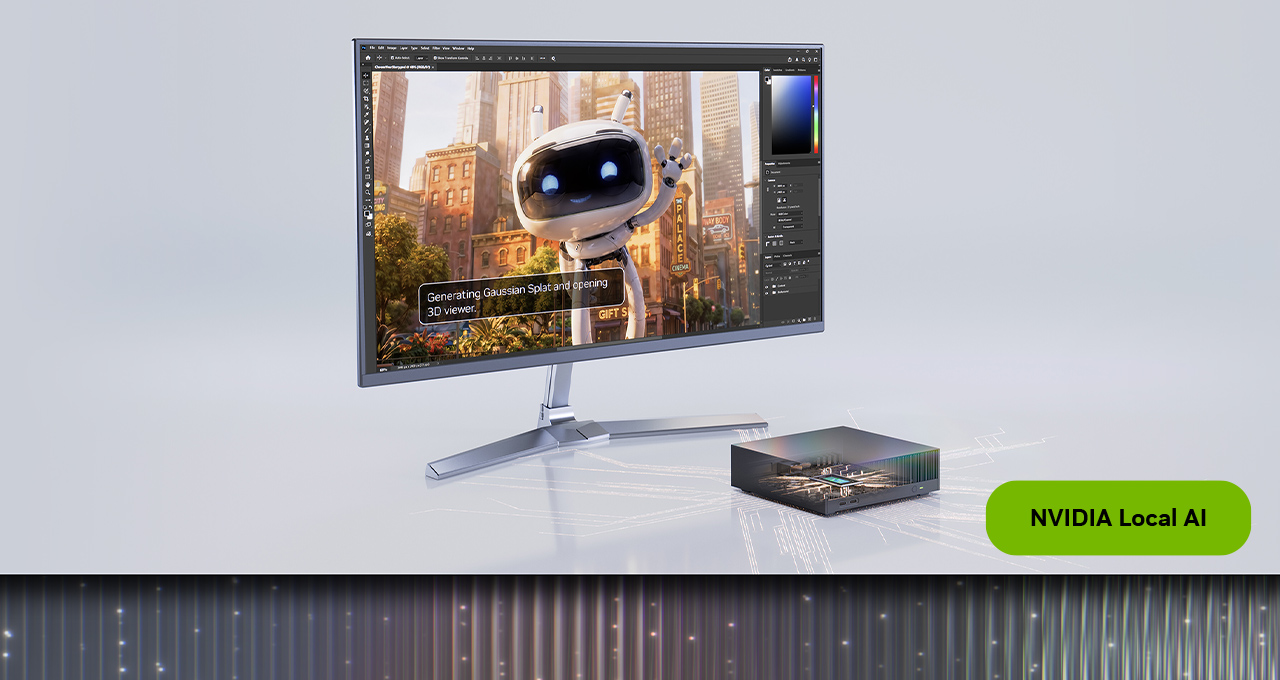
At the model and local deployment levels, Microsoft Foundry will expand the support for the Nemotron 3.5 series; Azure Local plans to support RTX PRO 6000, as well as Blackwell, Jetson Thor, and Jetson Orin. Both parties will also showcase local large model experiences on Windows PC equipped with RTX Spark. NVIDIA claims that by using the Programmed Training customized Nemotron model from Foundry, the accuracy has increased by 55% on their evaluation dataset, and the cost has been reduced by 15 times compared to proprietary cutting-edge models; this figure comes from evaluations by partners and does not represent that it can be replicated in all enterprise scenarios.
From the perspective of investment opportunity classification, this event corresponds toCore DriversCloud-based training, enterprise customization, local inference, and edge computing are all connected by the same technology stack.Growth EngineCompulsory requirements:Investment HighlightsThe change lies in the expansion of the customer import scope from the Azure data center to the enterprise's local systems and Windows terminals; the key factor and main catalyst is the actual entry of Vera Rubin into Azure and Foundry, as well as the service expansion of RTX Spark and the local implementation of AI. However, the announcement did not disclose any new orders, revenue contributions, or the official commercial scale, so it is not possible to infer short-term performance increases or stock price trends based on this information.
Source: NVIDIA Official Blog, published on November 19, 2026.