

According to the prosecution, a Saudi OpenAI engineer attempted to find a better way to secretly record in this artificial intelligence company using the “vibe-coding” method, so he turned to the familiar tool Codex.
A motion submitted by U.S. prosecutors on Monday revealed these details, which is also part of a debate surrounding whether Al-Fawzan ( Alfozan ) should continue to be detained while awaiting trial.
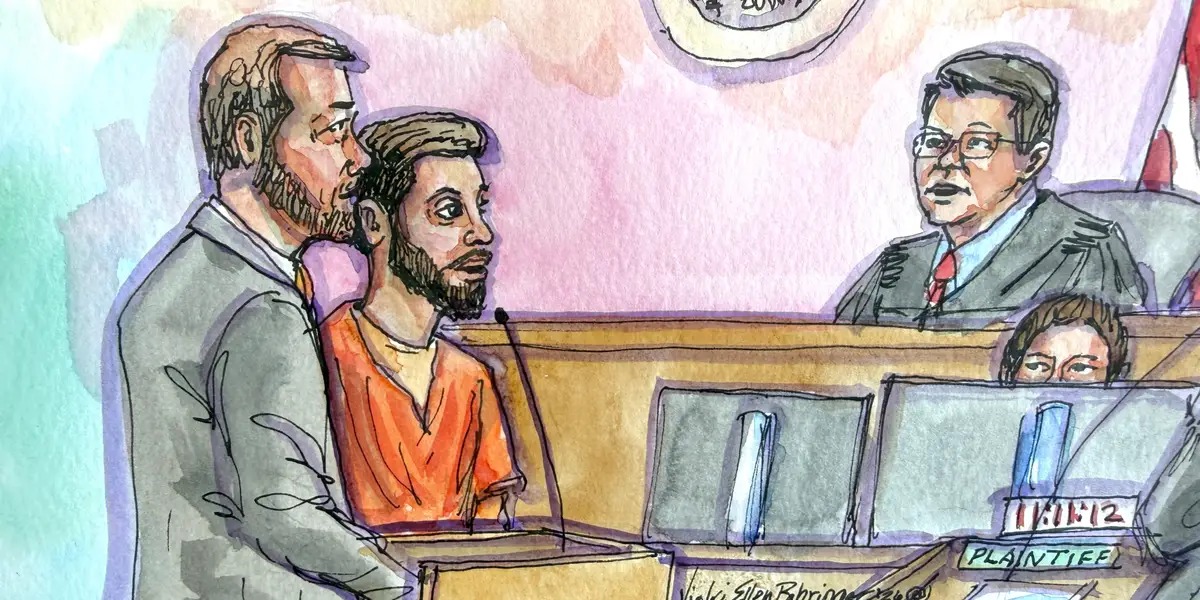
On October 9, the U.S. Department of Justice arrested Al-Fozan and charged him with using devices to intercept oral communications. About a week later, he made his first application for release. The magistrate determined that he posed a risk of fleeing and ordered his continued detention. He has stated that he does not plead guilty.
Alfozan's lawyer pressured the Federal Investigation
Last Friday, Al-Fozan's defense attorney, David Rezke ( David Rizk ), requested that a federal judge in charge of the case allow him to be released on a bail of one million dollars. He stated that the prosecution has not yet presented evidence to support more serious charges, such as espionage or theft of trade secrets. Rezke wrote that Al-Fozan's four friends, all of whom are US citizens, agreed to provide the funds for the bail.
Rizk also wrote that Al-Fozan's wife flew back to Saudi Arabia with their children, which was one of the reasons the judge used to decide that he should be detained, as her student visa was about to expire.
He wrote, "Mr. Al-Fozan's wife and children remain in Saudi Arabia because she was deeply traumatized after a violent raid by the Federal Bureau of Investigation last month, and subsequently, the government sparked a public opinion storm with false insinuations that her husband was a spy."
The prosecution hopes to continue detaining Al-Fozan.
In the documents submitted on Monday, the prosecution stated that the investigation is still ongoing. They wrote that there is evidence indicating that if Al-Fozan is released, he would attempt to flee the United States.
The prosecution stated that Al-Fozan once exchanged information with a member of the Saudi royal family on WhatsApp. The content indicated that he might apply to join the artificial intelligence company Echelon located in Riyadh "after IPO" – which is clearly referring to the expected public listing of OpenAI next year.
They also disclosed materials allegedly collected by Al-Fozan from the OpenAI office. According to documents submitted on Monday, law enforcement officers found photos on his mobile phone containing a file labeled “CONFIDENTIAL” that detailed the “strategic partnership” between OpenAI and another company. The documents also stated that audio files were discovered on his personal computer, which contained “dozens of recordings” documenting conversations within OpenAI in September of this year, including some meetings that “involved discussions that likely pertain to confidential business secrets.”
The document states that Al-Fozan used his wife's account to send prompts to the programming tool Codex to assist in processing these recordings.
At last week's hearing, U.S. Assistant Attorney Nick Parker ( Nick Parker ) stated that the prosecution's ongoing investigation includes recording devices, five devices seized from the couple, as well as records and surveillance videos from OpenAI.
Alfozan and Rizk will confront the prosecution on Tuesday morning before Magistrate Alex Tessé ( Alex Tse ) regarding a new motion for release. Tessé had previously rejected the initial applications for release.
Business Insider On Monday, it was reported that neither OpenAI nor Rizik immediately responded to requests for comments.