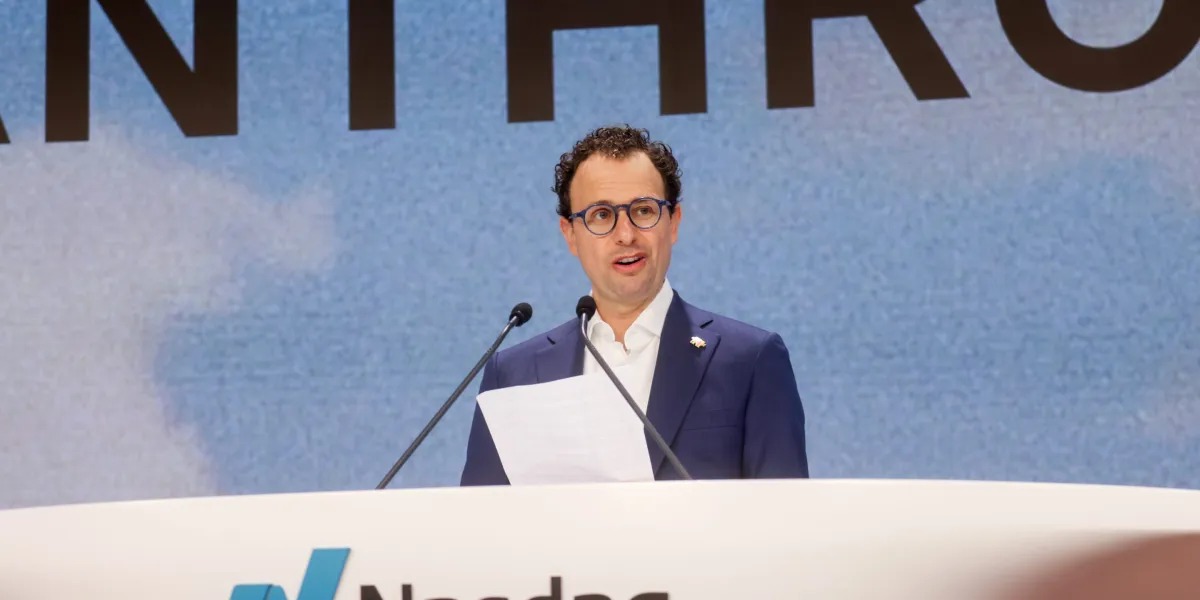
Arm CEO René Haas signed a new agreement with the company, committing to lead it until 2033, and will also serve as Vice Chairman of SoftBank Group, further strengthening the governance ties between this chip design company and its controlling shareholder.
Arm officially announced the above appointment on November 23, 2026. Hass's new position at SoftBank Group will take effect on December 1. Just a few days prior to this, Bloomberg reported that Hass was contacted by a recruitment agency from NVIDIA's board of directors on November 18, which immediately increased uncertainty about his future at the company. This official announcement has effectively dispelled external speculation.
"I have never been so confident about the future of Arm as I am now," Hase stated in the announcement.
"I am deeply convinced of our team, our strategy, and the opportunities ahead. I am fully committed to realizing the full potential of Arm in the coming years."
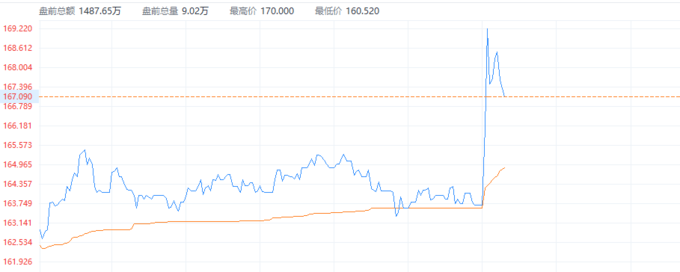
This move is of great significance to the shareholders of Arm. Under the leadership of Haas, Arm has completed its listing on NASDAQ and has expanded its business from mere IP authorization to independent chip development. At a time when the wave of AI is driving a sharp increase in demand for computing power, the stability of the management team is regarded as a key factor. The stock price of Arm once rose by more than 11% before the market closed.
Arm further strengthens its governance relationship with SoftBank
This appointment means that Hass will hold important positions at two levels simultaneously. He will continue to serve as CEO of Arm, and at the same time, he will also take on the role of Vice Chairman of SoftBank Group, the controlling shareholder which holds approximately 86.4% of the shares in Arm.
This is not the first time Hash has held a senior position within the SoftBank group. Since June 2023, he has served as a director of SoftBank Group; in April 2026, he was appointed as the CEO of SoftBank Group's international business, focusing primarily on semiconductors and AI.
This promotion to vice chairman formalizes what was already a quite close bilateral relationship. From SoftBank's perspective, this arrangement helps to coordinate its strategic deployment in the semiconductor and AI fields; for the minority shareholders of Arm, the issue of which party Hass will prioritize serving in case of conflicts of interest between the two companies will be continuously monitored.
Performance and Transformation: From IP Authorization to Independent Chips
In February 2022, Haas took on the role of CEO of Arm. In September 2023, he led the company to list on NASDAQ at an issue price of $51 per share. During his tenure, the business model of Arm underwent a structural transformation – shifting from relying on IP for licensing royalties to gradually expanding into the sale of self-developed chips, including custom chips designed specifically for AI data centers. This transformation is already reflected in the financial data. In the fiscal year 2026, Arm achieved revenue of $4.92 billion, representing a growth of about 23% compared to the previous fiscal year's $4.01 billion.
However, the strategy of developing its own chips also brings potential frictions. The traditional customers of Arm, including chip manufacturers such as Qualcomm and MediaTek, have long relied on the architectural licenses provided by Arm. Arm's entry into the chip manufacturing sector means that its relationship with these licensed customers will become more delicate. How to balance cooperation and competition will be one of the core challenges that Hass will face in the coming years.
If Has fulfills this agreement until its expiration, he will have served at Arm for over a decade, becoming one of the longest-serving leaders in the company's history.
For investors, the following indicators are worth continuous monitoring: whether the revenue can continue its growth momentum of $4.92 billion; the change in the proportion of revenue from self-developed chips in the total revenue; and the market performance and customer acceptance of AI data center chips. In addition, the corporate governance arrangements under dual responsibilities, as well as the protection mechanisms for the rights of minority shareholders, will also become topics of long-term concern for the market.