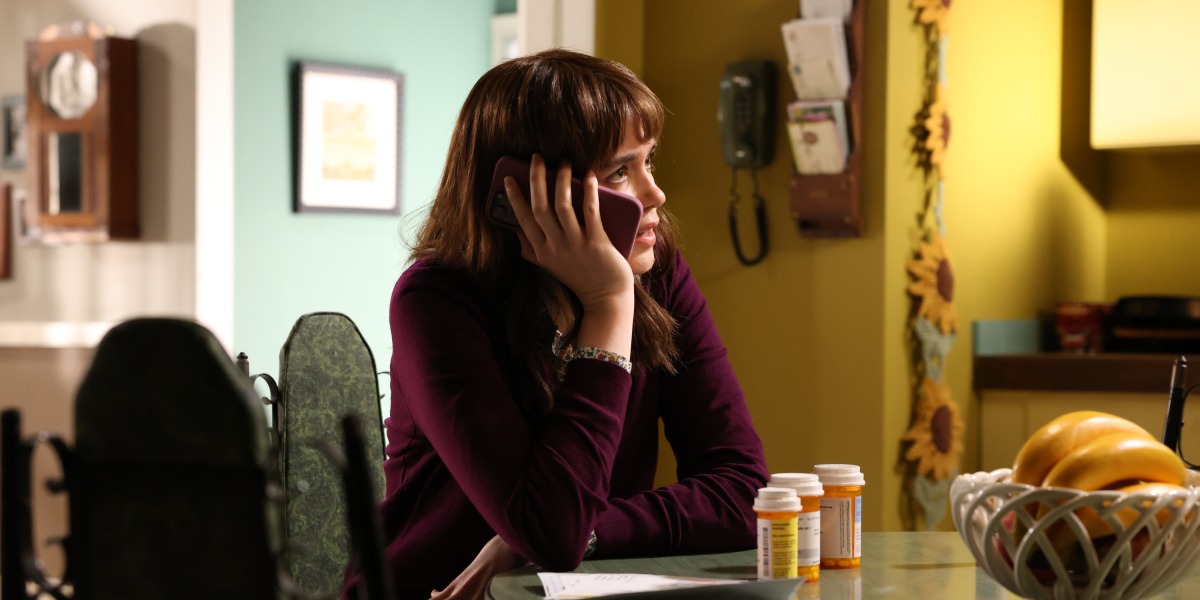
The skit featuring “sisters” ( Sister ) from “Saturday Night Live” ( Saturday Night Live ) resonated with many families across the United States. Why? Because in that story, they saw themselves. After all, it is often women, namely the “sisters,” who step forward to take on the responsibility when their elderly parents need care.
I am very grateful to SNL for bringing this topic to the fore. Sometimes, humor can open a door to conversation that we have been avoiding. But recognizing the problem is just the beginning. We must change our expectations of women within families.
For me, watching this video was very painful and deeply moving. As the CEO of A Place, for, and Mom, many of the text messages I received afterwards were even more heart-wrenching. I am that sister. I have personally experienced what such responsibility entails, as my mother and I have taken care of my wonderful grandparents for nearly 20 years.
I came to the United States when I was in my teens. While I was still learning about this system myself, I helped my grandparents arrange for elderly care. I know that feeling of intense guilt, the worry for those I love, and the uncertainty of where to turn for help.
For 25 years, we have been helping families navigate one of the most difficult and emotionally challenging journeys in life: finding care for elderly loved ones. Over 2.3 million families have sought our support, and among the caregivers we serve, approximately 40% are daughters, daughters-in-law, nieces, and sisters-in-law. In fact, more than two-thirds of those who seek help are women.
Once we establish a connection with the family, our goal is to help them figure out where to start, understand the various options available, make difficult decisions, and feel more confident about what lies ahead. When the family is ready to explore care options, we will connect them with a network that covers over 15,000 elderly communities and home care services, helping them find choices that fit their individual needs, preferences, and budgets.
The services we provide are free for families, as our income comes from the providers' networks.
In the past seven years of working for the company, I have also witnessed firsthand the uncertainty, guilt, and fear experienced by many of the families we support. When a parent falls, who is the one to receive the call? Who manages the medications, schedules appointments, and researches care options? According to data from AARP, 61% of unpaid caregivers in the United States are women. And once they take on this role, it is assumed by everyone that they will continue to do so indefinitely. Indeed, that is often the case. According to the "2026 Women and Caregiving" report from A Place, for, and Mom, we found that female caregivers report stress, guilt, and feelings of overload more frequently than male caregivers, with 53% experiencing sleep difficulties at least once a week. They also give up more of their income: 33% of the family's earnings, compared to 29% for men; moreover, these families themselves earn approximately $15,000 less than other families.
Unconsciously, we have accepted the notion that the more a woman sacrifices, the more deserving of praise she is. She reduces her work and delays seeking medical treatment. We tell her how strong she is. What we really need to do is ask what kind of support she needs and take on the responsibility of providing it.
There are two things that need to be changed.
Firstly, caregiving must become a shared responsibility of the family. Brothers, sons, and other family members all need to be involved. Many people are already participating, but we need more.
Go ahead and make the appointment, and be responsible for following up afterwards. Investigate the care options. Commit to providing support regularly. Just saying “tell me what you need” still means leaving the responsibility to her to figure it out and make the arrangements herself.
Everyone's contribution will be different. Distance, finances, health, and work status are all important factors. We should discuss these realities, rather than assuming that one person will take on everything by themselves.
Secondly, we must stop viewing sacrifice and pain as proof of love. Just because your income decreases or you neglect your own health does not mean you become a better daughter. Receiving support does not mean that your love for your parents is any less.
During this holiday season, my wish is that every family can have an honest discussion about what kind of help mom or dad needs, and who will take on the responsibility.
A simple way to get started is by discussing the needs, expectations, and what each person can contribute. It’s important that this conversation be honest, specific, and that there be clear follow-up actions. Also, please don’t leave the task of organizing all this to “the older sister” anymore. Brothers and sisters can start together first, then involve their parents in the conversation, and center the plan around their preferences.
Having an older sister is a gift, not a set of elderly care plans.
To all the sisters: We see you. You deserve support, and you also deserve to have time to be daughters or sisters, rather than always being caregivers.
To all those who depend on her: Please share some of the responsibilities that she shouldn't have to bear alone.
The views expressed in the comments by Fortune.com represent only the author's own opinions and do not necessarily reflect the views and positions of Fortune.