As parents become increasingly concerned about the risks that children's uncontrolled use of smartphones may pose, more and more companies are developing devices designed specifically for children.
Today, mobile phones designed for children usually come equipped with touchscreens, cameras, and communication functions similar to those of regular smartphones. However, the software on these devices is significantly modified to remove or restrict access to web browsers, social media, app stores, and other distracting content.
Parents can usually manage these devices through companion apps, approve contacts, view locations, set screen usage time limits, and select available applications; in some cases, they can also receive alerts regarding cyberbullying, explicit content, or online predators.
In addition to these modified devices, some companies also offer more simplified solutions that focus solely on calls and text messages.
In addition, there are also home telephones designed specifically for children, such as Tin Can and the recently launched Pinwheel Home.
The following are the main participants shaping the children's mobile phone market.
Bark Phone
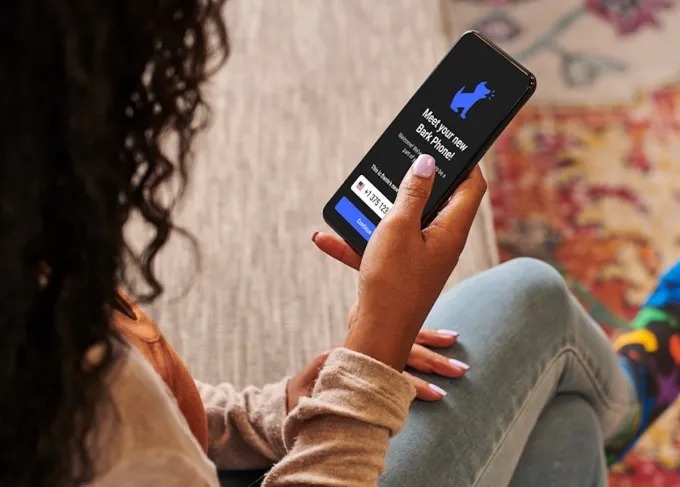
Bark Phone Based on Samsung Galaxy hardware, and equipped with Bark monitoring software, it only allows calls and text messages with approved contacts. Bark continuously scans text messages, emails, photos, and supported applications for signs of cyberbullying, deception, suicidal thoughts, pornographic content, and other potential issues, and then sends alerts to parents.
One of its major highlights is that parents can gradually unlock web browsing, applications, and other features as their children grow up. This phone also includes GPS tracking and screen time management functions.
The current standard version is priced at $240, plus an optional wireless package starting from $29 per month. Higher-tier packages also offer internet access and unlimited text messages.
Gabb
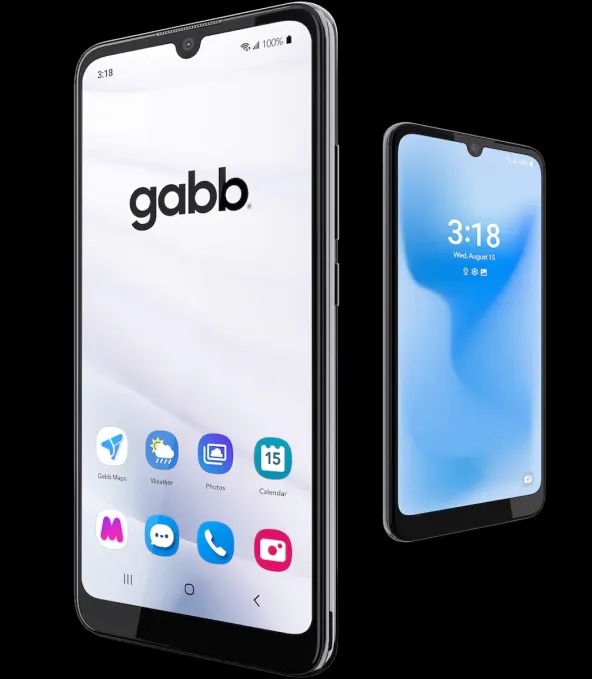
Gabb is a relatively well-known brand in the category of child-friendly phones. However, unlike Bark, Gabb places less emphasis on content monitoring and focuses more on eliminating online risks at the source.
In addition, parents can view the location and manage certain device settings, while optional services such as “Gabb Guard” can help to block spam calls and unwanted text messages.
Currently, the starting price for mobile phones is around $159.99, and the starting price for mobile services is around $24.99 per month.
Pinwheel
When using Pinwheel, parents can approve each application, manage contacts, schedule screen usage time, create custom schedules, and view location history.
Pinwheel The starting price of the phone is approximately $119, while Caregiver Portal subscription starts at $14.99 per month without phone service included. (Mobile service can be purchased separately through cooperating carriers.)
The company has also recently launched two home telephones, priced at $68 and $79 respectively. In addition, it offers a smartwatch for $160.
Teracube Thrive
Teracube launched a customized version called Thrive OS in 2022. With this system, parents can approve each app download, filter web browsing, set limits on individual app use and overall screen time, monitor locations, and create customized schedules for school or bedtime times. However, since it has more traditional smartphone features, it is usually more suitable for older children.
Thrive is currently priced at $99, with package starting at $35 per month.
Ooma MyPhone
Unlike the other products in this inventory, Ooma MyPhone is not a mobile phone at all. This home phone designed for children is intended to be a modern alternative to traditional household telephones.
This service utilizes the Trusted Circle feature to only allow calls between approved contacts, provides scheduled Quiet Hours, offers address-based 911 services by sending emergency alerts when 911 is dialed, and allows parents to view call records through an online portal. It does not have applications, web browsing, text messaging, or social media functions.
This phone is priced at $99.99, with a service starting at $7.99 per month.
Tin Can
The Tin Can, priced at $100, resembles a traditional landline phone in appearance and features a unique tin can design, which also serves as the inspiration for its name.
This device does not require a traditional telephone socket; instead, it connects via Wi-Fi. Only approved contacts can make calls, effectively preventing spam calls or unauthorized communications. Parents can easily manage the contacts through a user-friendly companion app.
Tin Can offers a free package that allows calls to other Tin Can users; there is also a package for $9.99 per month that allows calls to all approved contacts.
Waffle
As a relatively new entrant in this field, Waffle has recently opened reservations for screenless devices: Waffle Home is priced at $119 and is a landline phone; Waffle Go is priced at $169, with a design resembling a portable walkie-talkie or children's toy, and it only has three simple buttons, allowing for voice calls and listening to voice messages.
Parents can approve contacts through the accompanying app, as well as view their location and control when the device is allowed to make calls.
These new phones will be shipped on November 23rd.
Yello !
Canadian telecommunications company TextNow recently launched a new smartphone for children, named Yello. It looks like an ordinary touchscreen smartphone, but it doesn't have an app store, social media, nor unrestricted web access.
Parents can view their children's location and battery level, as well as control the games they can play and set contact information.
The initial price of Yello! is $149.99, and the monthly subscription package costs $19.99.