Can Bitcoin mining be moved into space? Musk's data center concept could also be applied to the cryptography field
U.Today
11-04 19:27
Ai Focus
Elon Musk stated on X that "data centers in space now seem quite enticing." Based on this, the article discusses whether Bitcoin mining could be conducted in orbit: theoretically, solar energy could be utilized, but the costs of launch, heat dissipation, radiation, and the difficulty of maintenance make it economically unviable.
Helpful
No.Help

Elon Musk once again puts forward a new conjecture on X. On November 4th, he posted: "Data centers in space now seem quite enticing."

What Musk is talking about are data centers, but this idea can also be applied to the field of cryptography: could Bitcoin mining equipment operate in orbit, powered solely by the sun? Technically, it should be possible, so why not? However, from an economic perspective, the issues become much more complex.

Solar-powered Bitcoin mining

There is a huge advantage in space: abundant solar energy. Unlike mining sites on Earth, mining stations in orbit can generate their own power using large solar panels, eliminating the need for a power grid. Today's satellites can continuously draw energy from sunlight, thereby reducing battery consumption.

Theoretically, Bitcoin ASIC mining machines can operate around the clock, with extremely low or even virtually zero continuous power costs. The problem is that solar panels, batteries, and electrical electronic devices all need to be put into place first – and that’s where the trouble lies.

Space seems like an ideal location for cooling mining equipment, as the background temperature of the universe is extremely low. Unfortunately, things are not that simple; the vacuum in space actually makes heat dissipation more difficult than on Earth.

On Earth, mining machines use fans, air conditioning, or liquid cooling to dissipate heat; however, in orbit, there is no air to carry away the heat. Therefore, the only feasible solution seems to be liquid cooling, along with large heat dissipation plates that release heat through infrared radiation.

Actual Estimation

According to Boston Consulting Group ( BCG ), a 100-kilowatt orbital data center may require approximately 400 square meters of cooling panels. In addition to technical challenges, profitability must also be taken into consideration. The very idea of sending equipment into space first makes the whole concept questionable.

BCG indicates that the current cost of delivering supplies into orbit is approximately $1,500 per kilogram. This means that the launch cost for a set of mining equipment weighing one ton would be around $1.5 million, not to mention the costs of hardware, cooling systems, solar panels, and maintenance, which can also be equally high, or even higher.

You still can't ignore issues such as space radiation, equipment failures, and limited maintenance opportunities, all of which will further increase costs. The only things that can make this equation look a bit more favorable are more efficient ASIC chips, as well as the ability to send goods into space at a cost far lower than today's rates.

Fortunately, Bitcoin miners require very little bandwidth, or almost no bandwidth at all, so connection issues can be resolved to some extent on their own.

Physically, it is feasible to mine Bitcoin in space; however, financially, whether it is worthwhile is another matter. Reusable rockets, more lightweight cooling solutions, and other improvements might make it more economical, but for now, we should continue to use the traditional mining machines found in the large data centers on Earth.

Tip
$0
Like
0
Save
0
Views 73
CoinMeta reminds readers to view blockchain rationally, stay aware of risks, and beware of virtual token issuance and speculation. All content on this site represents market information or related viewpoints only and does not constitute any form of investment advice. If you find sensitive content, please click“Report”,and we will handle it promptly。
Submit
Comment 0
Hot
Latest
No comments yet. Be the first!
Related
Comm1 chooses Ribbon to drive the next phase of network growth
Ribbon Communications indicates that Comm1 is deploying its optical network solutions to modernize the network and meet the growing bandwidth demands within its service area. This deployment will expand network capacity through a new architecture, supporting the growth of broadband, enterprise services, mobile backhaul, and cloud services.
PR Newswire
·2026-11-05 21:17:38
6
Tessell Launches Gemini Proxy, Bringing Proxy-based Lifecycle Management to Enterprise Databases on Google Cloud
Tessell Announces the Launch of Three Specialized Agents Built on Google Gemini, Providing Dialog-Based Management for Operations, Governance, and Migration for Customers Running Complex Enterprise Database Workloads on Google Cloud. The company stated that these agents will be made available to enterprise preview customers this quarter.
PR Newswire
·2026-11-05 21:17:34
9
Visa Survey: Consumers prefer traveling and experiencing during the holiday season, but physical gifts still account for the majority of spending
Visa reported on Thursday that consumers prefer traveling and participating in experiential activities during this holiday season, but physical gifts will still account for the majority of spending. The survey also shows that high-income families are more willing to increase their travel expenses, while low-income consumers place more emphasis on cost-effectiveness. Inflation and rising travel costs are affecting holiday consumption choices.
CNBC
·2026-11-05 21:17:28
9
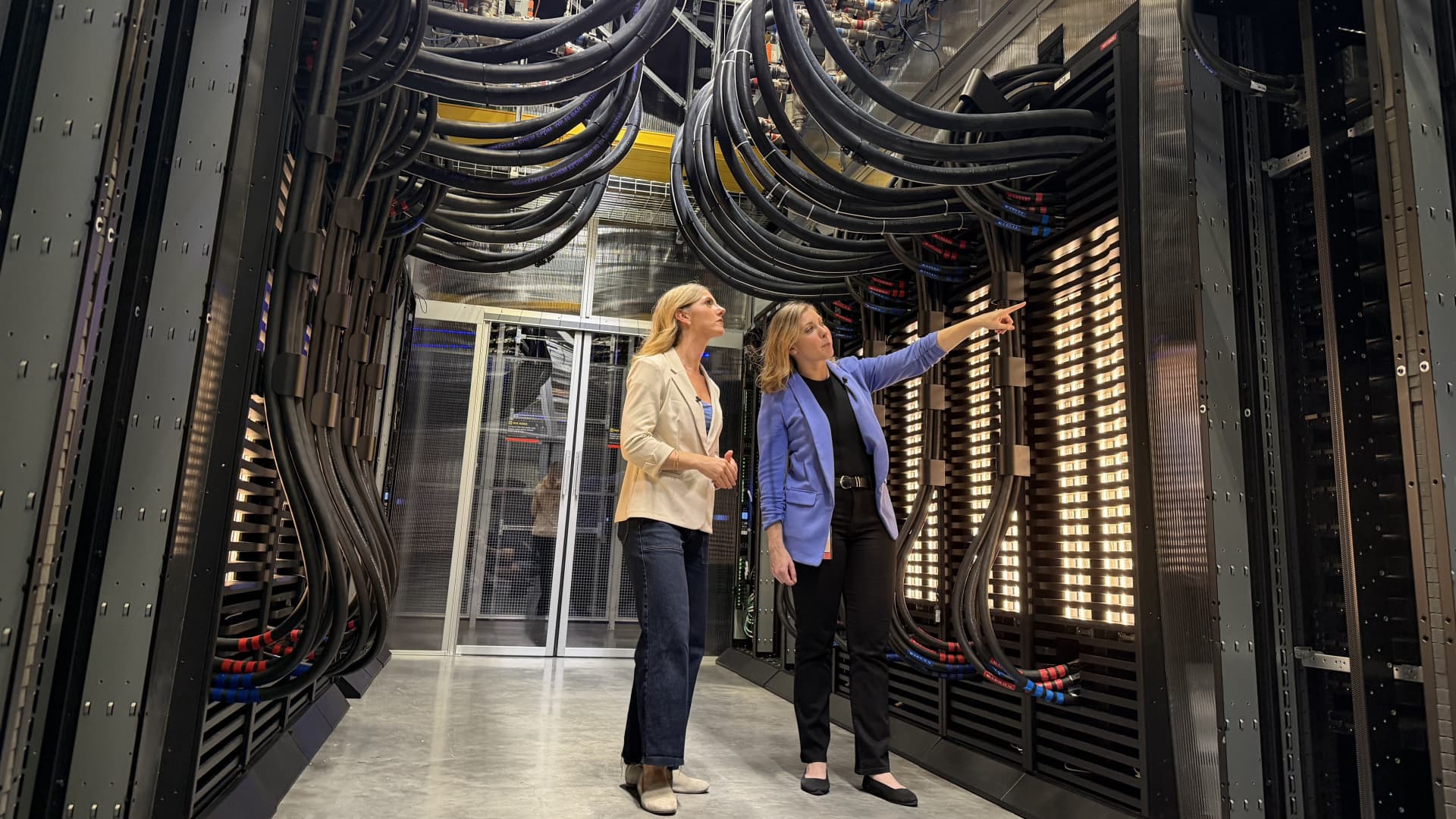
Voters veto the AI data center due to concerns about resources; why is it difficult to measure water consumption?
This week, voters clearly expressed their desire to impose restrictions on artificial intelligence data centers, with 40 out of 41 proposed voting measures passing. Reports indicate that water and electricity are the issues that residents are most concerned about, but it is difficult to accurately calculate how much local resources data centers consume, as operators typically disclose usage on a company-wide basis rather than for individual sites.
CNBC
·2026-11-05 21:08:30
17
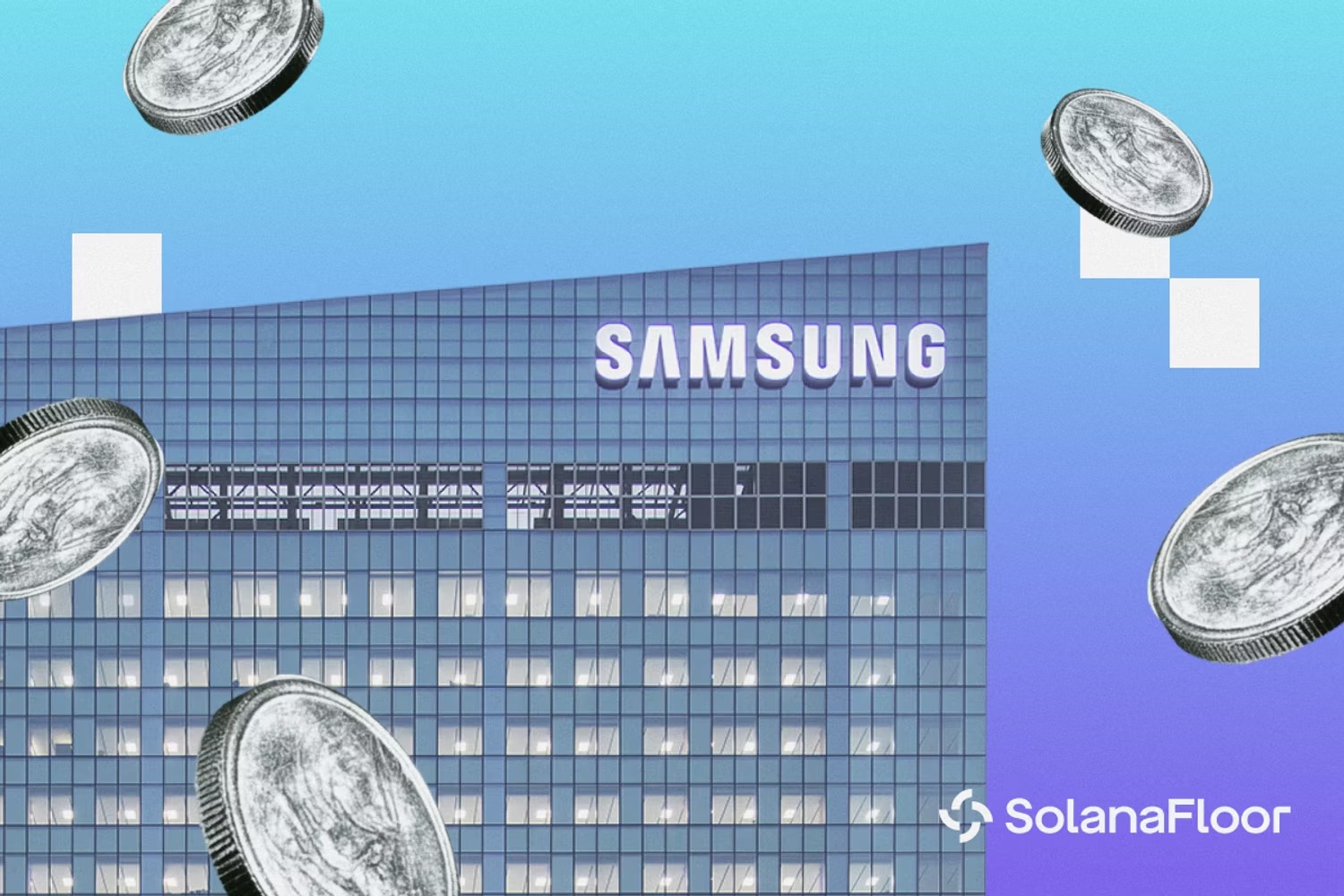
Samsung Wallet Launches 820,000 Stablecoin Accounts? No, It's 82 Million Galaxy Users Can Access Solana Stablecoins
Samsung launches Stablecoin Account within Samsung Wallet; eligible US Galaxy users can directly buy, hold, send, and receive USDC without the need to install any separate cryptocurrency applications. This feature is supported by Bastion for infrastructure, with Coinbase acting as the sub-custodian, and Solana responsible for transaction settlement.
SolanaFloor
·2026-11-05 21:08:28
19
View More