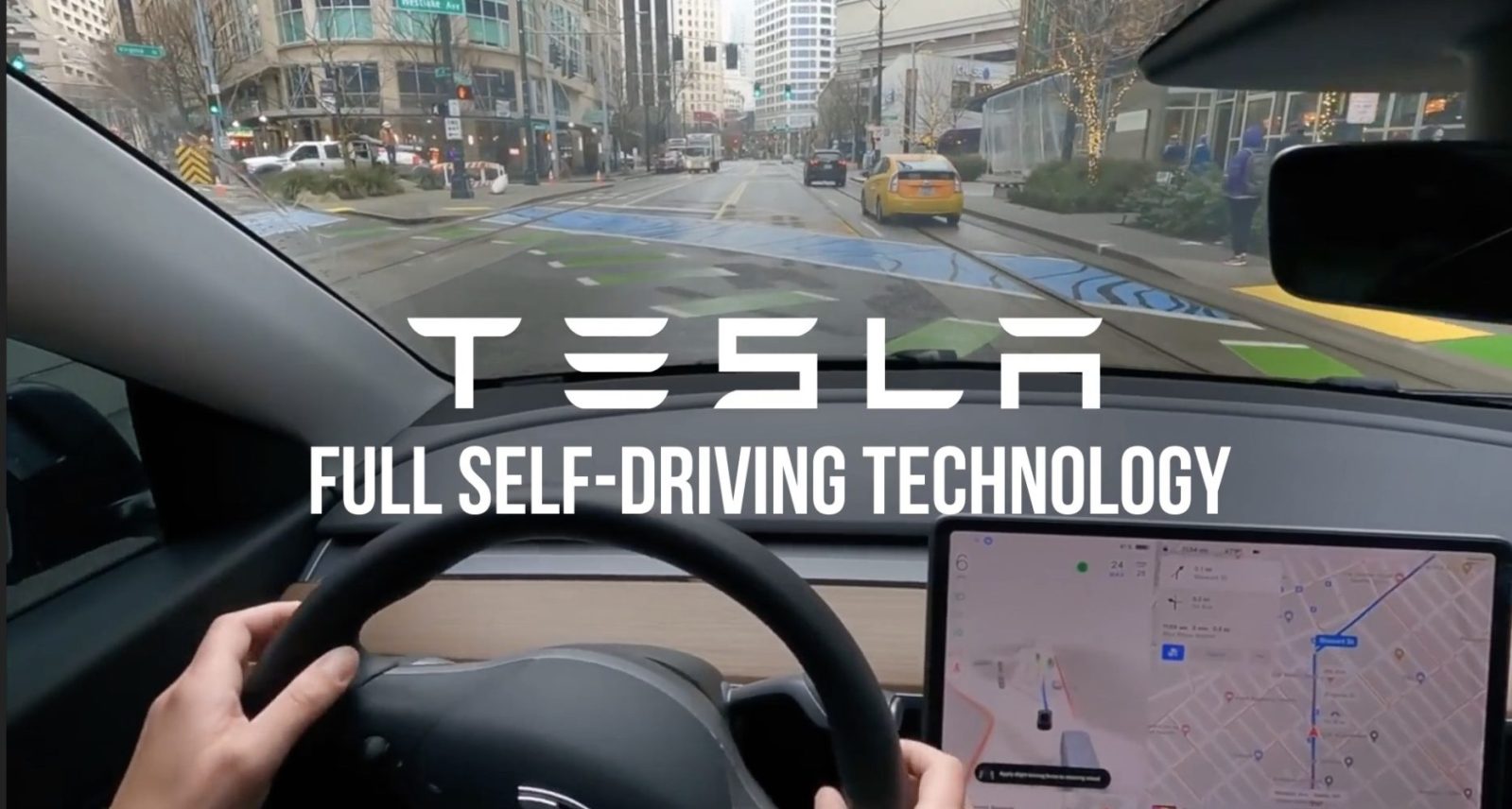
Seoul police have filed cases against 80 individuals for using after-sales devices to activate Tesla's "Full Self-Driving" feature ( Full Self - Driving, FSD) on Tesla vehicles that are not permitted to operate in South Korea. The police also seized 21 such devices.
The Seoul Metropolitan Police Agency announced this case on Tuesday. This is the largest law enforcement operation in the past year against the FSD “escape” hardware that has been spreading in China, Europe, and South Korea.
The police stated that the suspects either imported unlocking modules from Europe and China or made them themselves. One of them installed a device manufactured in Europe in his own Tesla; the other is a IT professional who created the equipment based on information he found on GitHub.
The suspects are still exchanging online suggestions on how to unlock FSD and how to prevent the vehicle from retaining any activated records.
They are accused of violating South Korea's "Motor Vehicle Management Act," which prohibits unauthorized software modifications that could affect vehicle safety. The maximum penalty is two years in prison or a fine of up to 20 million Korean won, which is approximately 15,000 US dollars.
As early as April, the South Korean Ministry of Land, Transport and Maritime Affairs requested the police to investigate this matter, as the department had detected signs of unauthorized activation at that time. The South Korean newspaper "Chungang Ilbo" quoted a police officer as saying that "security risks" had been confirmed, including the possibility that FSD could misjudge driving conditions. The investigation is still ongoing, and the police are negotiating technical issues with the ministry as well as the Korea Transportation Safety Authority.
Most Tesla cars in South Korea are unable to legally use FSD.
Tesla launched FSD (Supervised Edition) in South Korea at the end of 2025, but it is only available for vehicles manufactured in the United States: Model S, Model X, and Cybertruck. These models are exempt from South Korean safety certification under the Korea-US Free Trade Agreement. Model 3 and Model Y are transported to South Korea from Tesla's Gigafactory in Shanghai and have not yet met South Korea's safety standards for this feature.
This figure does not match the data released by the South Korean government a few months ago. In May, data published by lawmaker Park Yong-ga showed that among 180,684 registered Tesla vehicles, only 4,292 were eligible, accounting for 2.4%; of these, there were 2,708 Model X, 1,193 Model S, and 391 Cybertruck. In any case, the vast majority of Tesla owners in South Korea are unable to use FSD legally, yet some of them have still paid over $6,000 for it.
The reason it can be cracked is that the hardware is the same. These modules are connected to the vehicle's CAN bus, thereby bypassing the regional software lock.
Tesla has also been dealing with these devices on its own. In April, Tesla began to remotely identify these devices and removed FSD from affected vehicles, warning owners that they would bear full responsibility in the event of an accident and might lose their warranty coverage. Additionally, some Chinese owners were permanently prohibited from using FSD.
Electrek Review
It’s not hard to understand why some people would do this. Imagine a Korean car owner who buys a Model Y made in Shanghai and pays for a FSD, only to see that the Model X next to them is running the same software and using the same computer. That’s indeed frustrating.
Tesla sold FSD to vehicle owners in South Korea who had no regulatory pathway to enable that feature, just as it has sold "full autonomous driving" in Europe for years, yet the approval process was repeatedly delayed. It wasn't until this month, under pressure from Germany, that Tesla abandoned that name there. Selling a feature that people cannot legally use gives rise to a "jailbreak market."
South Korea has now made it clear that it will indeed file lawsuits. So, will Tesla refund the money to those Korean car owners who purchased features of the vehicle that may never be able to be used legally?
If you drive an electric vehicle, using home solar power can almost bring the fuel cost down to zero. With electricity prices rising by nearly 10% last year and expected to continue to increase, installing solar panels is one of the best ways to offset these rising costs. Moreover, through leasing and the PPA program, you can start saving money immediately with almost no upfront investment. If you're looking for the best option, you can check out EnergySage. This is a free service, and hundreds of pre-approved installers will compete for your business, so you can save 20% to 30% compared to searching on your own. No sales calls will be made to you before you choose an installer. Click here to get a free quote.
FTC: We use automated affiliate links that can generate income. For more information.