

This oral article is compiled based on a conversation with the media by Matthew Kelson, who is 43 years old this year ( Matthew Kelson ). Kelson was once transferred from Los Angeles to Tokyo by Netflix; today, he is the founder of the independent cinema CineYama in Ueno-hara City, Yamanashi Prefecture, Japan. For the sake of length and clarity, the original words have been edited.
Japan is not unfamiliar to me. During my middle school years, I stayed with a host family for two weeks as part of an exchange program. As an adult, I have also visited there several times since then.
In 2020, while I was working at Netflix in Los Angeles, the company transferred me to Japan. I stayed in Tokyo for two years before moving to Ueno-hara, a small town about an hour and a half by train from Tokyo. I still went to Tokyo to attend some temporary meetings and frequently traveled on business across Asia for screening events. Other than that, I mostly worked remotely from home. After the company reorganized, I left Amazon in 2024.
I want to continue staying in Japan. When we moved here, my daughter was only 6 months old, and 3 years later, my son was born. We feel that this place is very suitable for children to grow up in. I began to think about how I could utilize my expertise in the film industry to give back to the community as well.
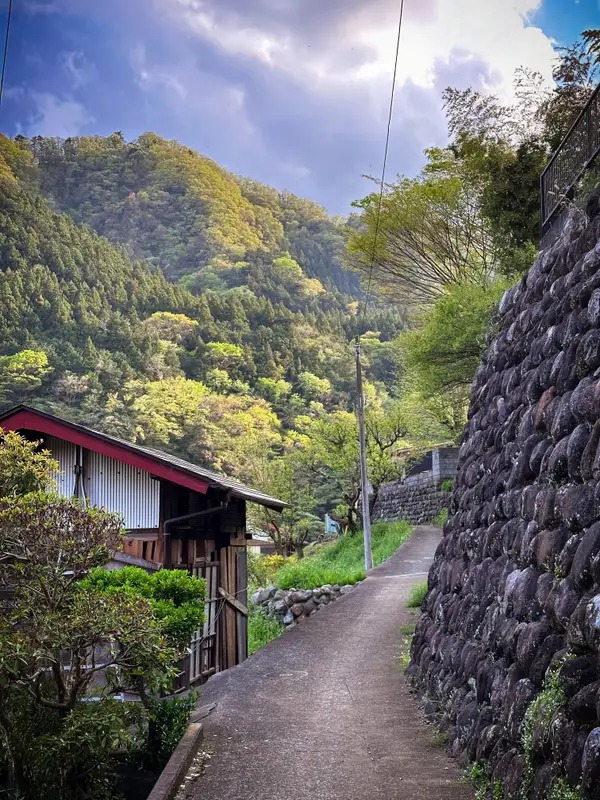
While looking for a location, I discovered an abandoned kindergarten. In 2024, I began planning to transform this old school into a cinema. By December, I obtained permanent residency through Japan's highly specialized talent fast-track program. A year later, I founded a company and spent another year renovating it, and finally, in March, I opened this cinema.
Building a career in the film industry
I spent most of my childhood in Michigan, in the Detroit area. My father was a professor of international business and often traveled on business, which made me curious about the outside world.
At the age of 23, I came into contact with the Detroit Film Center ( Detroit Film Center ) and took a film production course there. A year later, I became a teacher there as well as a projectionist. Through this experience, I began to work at an independent art theater in the suburbs of Detroit. I started as a usher and later became the manager of the theater.
During the two years I worked there, I fell in love with the film industry. At the age of 25, I used my savings to renovate the auditorium of an old school in Michigan into a cinema. This cinema operated for two years, but later it had to close due to a dispute with the landlord.
I wanted to start over, so in 2011 I moved to Los Angeles. At first, I went from door to door at all the film distribution companies I had worked with before, until I met someone from an independent film distribution company. I joined them as an intern and then worked my way up. Two years later, I began working on the creative team at Netflix.
The process of opening a cinema in Japan
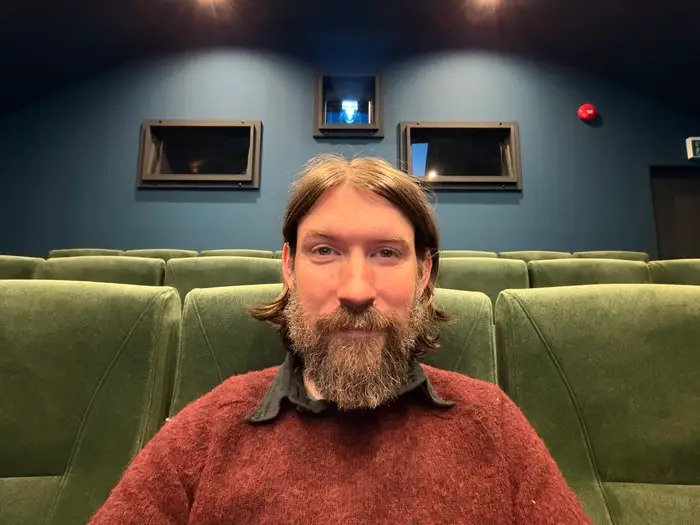
Obtaining permission to renovate this abandoned kindergarten was a lengthy process. I had to negotiate with city government officials and local residents, explain how I planned to use the building, establish a company, comply with fire safety and health regulations, and handle construction-related matters in a language that I’m not fluent in.
I gradually came to understand that in Japan, achieving things doesn't necessarily require a more forceful approach. What's more important is patience, building trust, and showing others that I am serious about it; this project won't just disappear after six months.
There are days when I wonder why I make my life so difficult for myself. But with each milestone accomplished—finishing a building, passing inspections, installing a projector, and finally opening for business—I become more determined.
When the cinema first opened, the older residents in the area seemed quite cautious. After a trial screening, they told me that they were deeply impressed to see the place being cleared and put back into use. For me, it is very important to offer screening events that are suitable for children and families to come and enjoy this space.
The ticket price is 1,500 yen, which is approximately 9.50 US dollars. We also offer discounts to elderly people and local residents. I insist on screening content that is harder to see elsewhere, hoping to allow the audience to experience perspectives of different lifestyles and cultures.
This cinema is basically run by a family. I am in charge of the daily operations, and my wife sometimes comes to help out. When the children are present, they help to stamp the movie tickets.
Embrace the challenge
Opening a cinema in the United States is a completely different experience from doing so in Japan. Back then, I was in my twenties, with not much money, and I was still trying to figure out my direction in Detroit. On the other hand, it was only after 15 years of working in film distribution, creative production, and international screening that I managed to open a cinema in Japan.
Living here, managing this cinema, and getting to know people from all over the world, it excites me greatly. Although life in the United States would be much easier, I enjoy these challenges in Japan. This is also why I have stayed in Netflix for such a long time; after all, it's not an easy job either. I've learned to live in "hard mode."