News from the IT family on October 16th: Technology media AppleInsider published a blog post yesterday (October 15th). After an in-depth experience with HomeView at the launch event, they shared more practical details about Apple's first smart home hub, including nine-way monitoring and a shared photo album, among other features.
IT's home attaches the relevant on-site test videos as follows:
In terms of security, the “Home Camera” interface of HomeView can display up to 9 real-time camera feeds at the same time. Users can view rooms, doorways, or outdoor areas without having to switch them one by one.
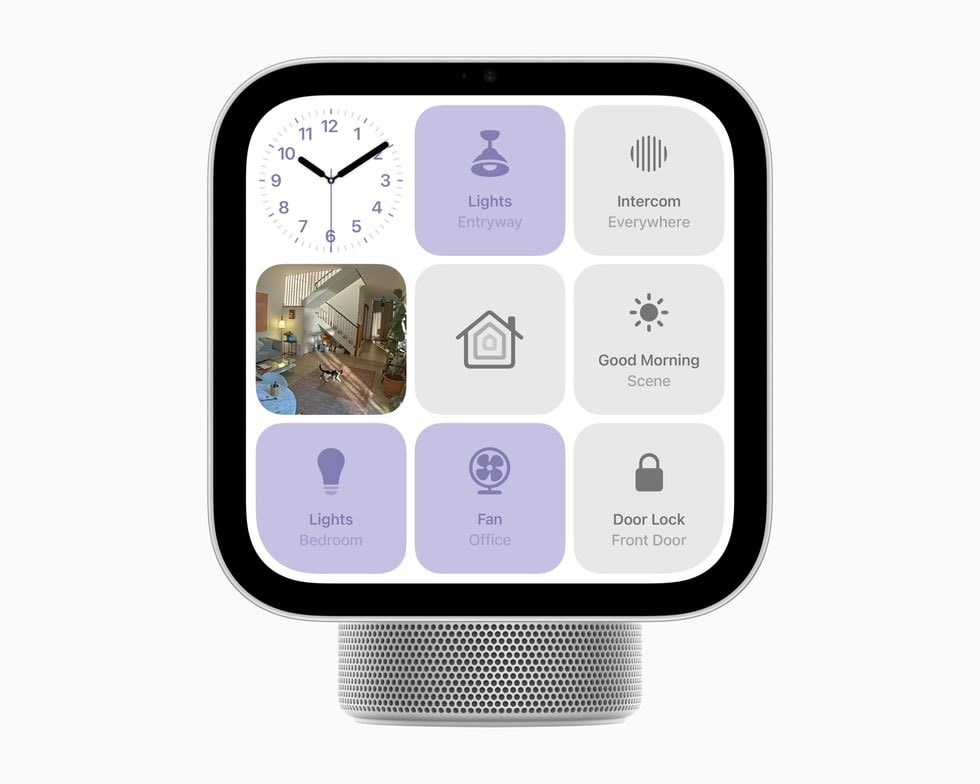
According to the media, during the on-site demonstration, the video response was fast, and there were no significant delays observed. However, the stability of the system in actual home networks still needs to be verified. It is worth noting that although Apple's new Home series accessories generally support Matter, smart home security cameras have not yet adopted the Matter standard. Apple stated that the current Matter camera specifications still have shortcomings in terms of reliability and security.
HomeView also attempts to take on the role of a "digital photo frame." It not only allows for the display of personal photo libraries but also supports iCloud shared albums: family members can continuously add photos from iPhone, and without the need for elders or grandparents to transfer them manually, the screen will update automatically. In addition, the "Flow" interface utilizes the camera to detect movement in the vicinity and adjust the animations accordingly, while the "Fade" interface, inspired by sundials, adjusts the brightness of the clock numbers over time.
In the kitchen scenario, users can open recipes through Safari or Apple News and view the cooking instructions step by step; Siri supports voice navigation to the next step, and recipes can also be saved for easy reference in the future.
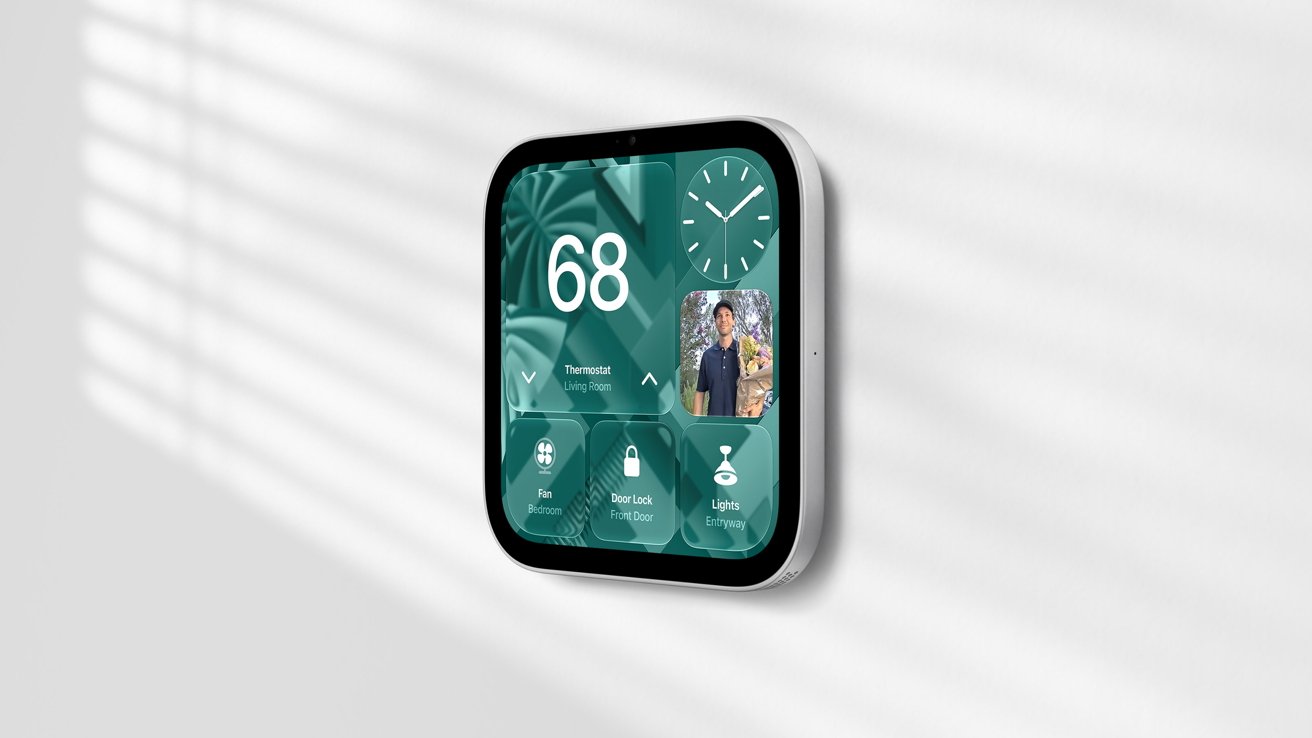
In terms of installation, the wall-mounted version can be paired with the Schneider Home Power Mount AC Wired accessory, which costs $79.95. It can be directly connected to the home circuit through a standard single-wall box and is powered continuously by the USB-C, thus hiding the cables and even allowing it to be installed in the location of the original light switch. However, Apple reminds that existing switch circuits may not be suitable for powering this device, and it is necessary to handle the original lighting circuit. It is recommended that a licensed electrician perform the installation.