Fusion power generation usually brings to mind massive industrial facilities filled with large lasers or magnets, but a startup in Cambridge, Massachusetts, has been quietly working on creating a device that can be placed on a desktop.
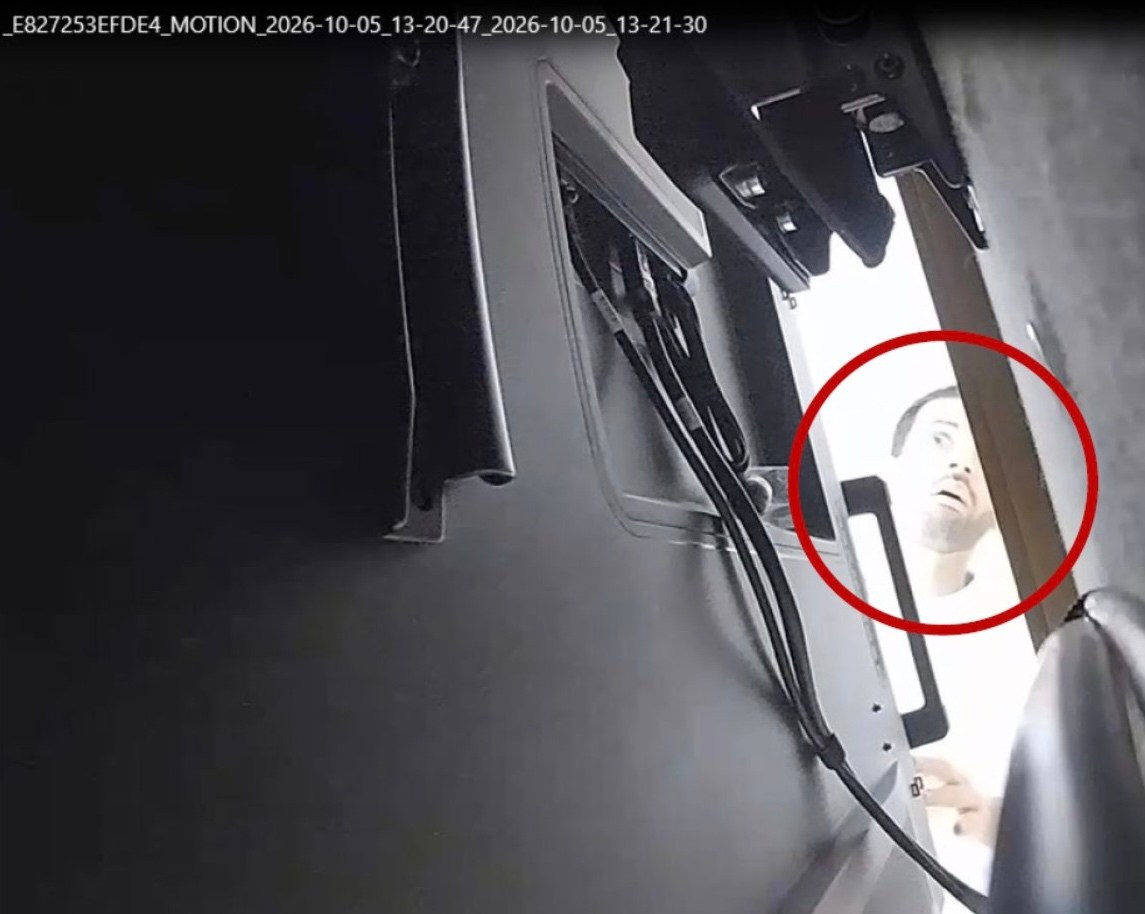
During a video call, Cambridge Heavy Industries, co-founder and CEO, Yun Kai, displayed the optical components of this device behind him. The company has been operating quietly in a small laboratory near MIT. Kai exclusively demonstrated the technology they are developing to TechCrunch.
“We specifically built a small modular reactor. It’s very small, desktop-sized,” he told me, “and because it’s small, everything is much easier.”
This small size allows Cambridge Heavy to be quickly tested and iterated upon. Kai says, "The characteristics of the small module can support 50 to 80 experiments per day, 50 to 80 launches per day." These experimental data will be used to input into the simulation system, and the design will be optimized with the help of artificial intelligence.
This flexible approach has attracted the attention of investors. The startup recently completed a seed round of financing of $6.2 million, led by Azolla Ventures, with participation from the families of Overlay, Neta Foundation, P3A, MassCEC, and Rothrock.
The fusion reactor of Cambridge Heavy uses laser-compressed fuel targets, similar to that groundbreaking experiment which demonstrated that controlled nuclear fusion reactions can release more energy than they consume. However, unlike other inertial confinement designs, Cambridge Heavy strives to minimize the number of lasers required to ignite nuclear fusion.
The system uses two main lasers to drive the ignition process. One of the lasers is divided into multiple beam channels, which transmit light in the form of concentric rings. These laser rings sequentially irradiate a flat, circular fuel target from the outside in. The first ring of lasers initiates a compression wave within the target, causing it to propagate inward; subsequent rings of lasers enhance this wave at the appropriate moments, further compressing the fuel.
When the shockwave reaches the target center, another beam of laser is directed at the target, generating heat and creating a magnetic field. Under the right conditions of pressure and heat, nuclear fusion will occur.
Kai indicates that the design of Cambridge Heavy is capable of generating high pressure with a relatively low laser power. This concept originated from the laboratory of chemist Keith Nelson at MIT. There, researchers used laser pulses to study materials under extreme conditions. As the pressure continued to increase, they realized that they were approaching the conditions necessary to achieve nuclear fusion.
Kai said that within about ten years, Cambridge Heavy plans to develop a power plant based on this concept, but this will require an expansion of the design scale. The future device will be larger than the current desktop prototype, yet it won't be as massive as other nuclear fusion power plants. He stated that the scale will be roughly equivalent to two basketball courts, and they will test whether this method can generate enough energy to support the operation of the power plant.
However, before that, Cambridge Heavy plans to first produce tritium using smaller-scale equipment. Tritium is a rare isotope of hydrogen that will be used in almost all nuclear fusion power plants currently under development. The current price of tritium is about $30,000 per gram.
Each power plant does not require much tritium – about a few grams per year – but this substance is extremely scarce, with only about 40 kilograms available globally at present. A recent study predicts that without new sources, the nuclear fusion power industry will face a shortage of about 28 kilograms of tritium by 2054. At current prices, this amounts to tritium worth approximately 840 million US dollars.
Fusion startups are designing fuel systems to help reactors achieve a high degree of self-sufficiency in tritium supply, although they may still need occasional replenishments. Kai says that this process could take up to 10 years, which also means that Cambridge Heavy could have potential sources of income in the coming years while advancing its power plant projects.