

U.S. derivatives regulatory authorities are proposing to introduce a formal rule that would classify certain contracts traded on platforms such as Kalshi under the category of swaps (swaps), and require those authorities to regulate them.
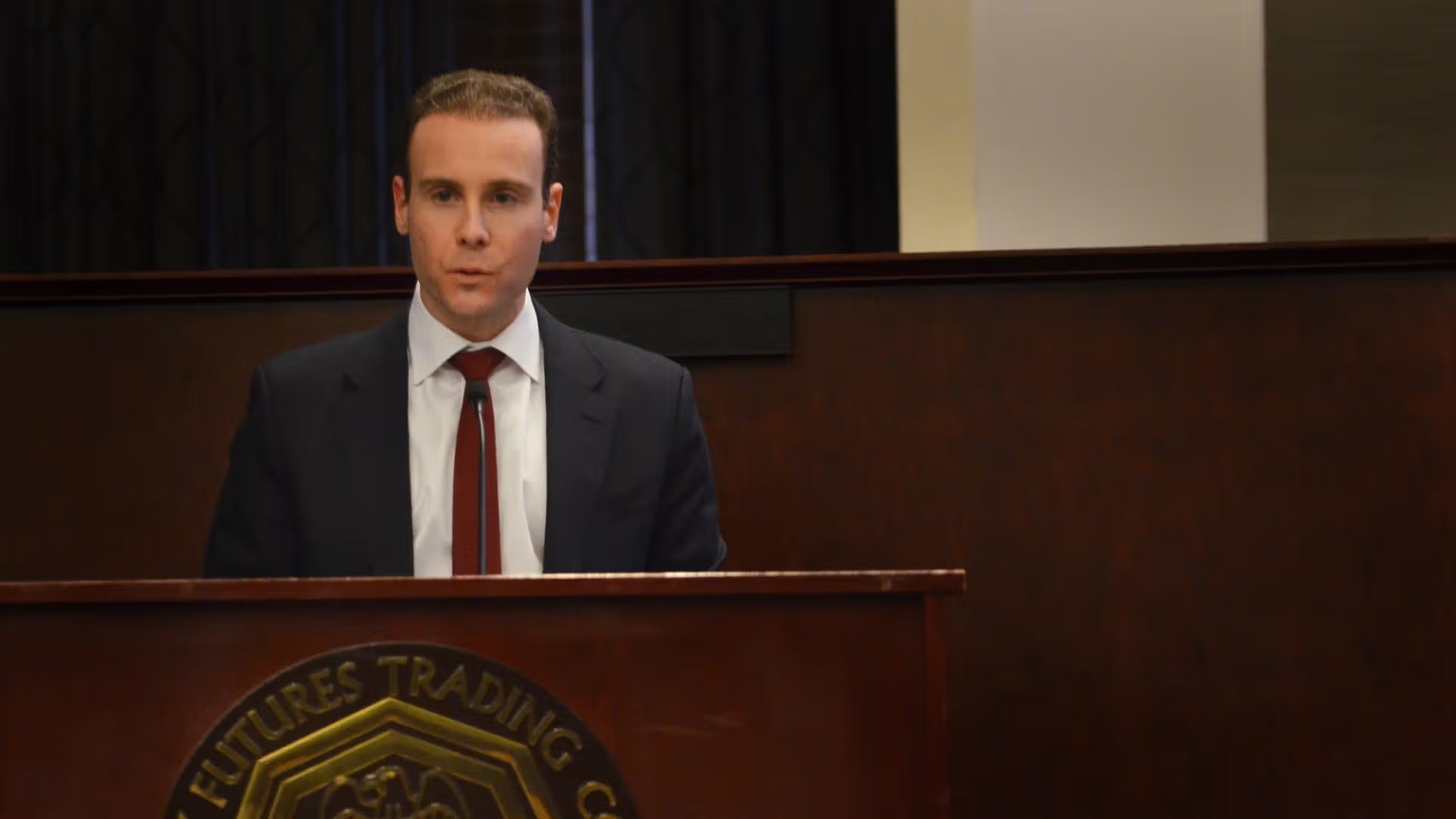
The Commodity Futures Trading Commission (CFTC) of the United States has issued a rule and proposed another rule in an attempt to reinforce the view of Commissioner Mike Selig: that market trading predictions should be regulated solely by this agency.
The Commodity Futures Trading Commission (CFTC) in the United States is formalizing its efforts to assert exclusive regulatory authority over market forecasting. On Friday, the agency finalized a new definition and proposed other modifications aimed at establishing a more solid legal foundation for event contracts to be classified as "swaps." Swaps fall under the jurisdiction of CFTC and are not subject to the regulation of state gambling authorities.
CFTC attempts to define which sports betting does not fall under the category of swaps – that is, contract exchanges between two parties – and which are subject to the federal jurisdiction of this agency. At the same time, it insists that event contracts still meet the legal definition of a swap, and therefore should be regulated by CFTC. The temporary final rules issued by this agency state that casino-style betting will be excluded from this definition of a swap. Event contracts, on the other hand, are fully within the definition of a swap, according to CFTC.
One of the rules has a "provisional final" status, which means it will take effect immediately, but public comments will still be accepted during its implementation process. Another rule proposal explicitly includes "event contracts, including those based on sports, political, cultural, and weather events," within the existing swap regulatory framework in the United States. Such contracts are typically traded on platforms like Kalshi and Polymarket. However, this rule is still in the proposal stage and only has a relatively short comment period of 30 days.
So far, many states as well as former federal government officials who participated in formulating these laws oppose the interpretation of CFTC. This week, they submitted their opinions to the United States Supreme Court, which has been asked to rule on this issue.
But if CFTC is required to defend its position in the Supreme Court, that institution will now be able to demonstrate that it has begun to implement President Mike Selig's regulatory views on the predictive market.
Multiple states are embroiled in lawsuits with regulatory authorities, with state governments insisting that such sports betting on these platforms should be regulated by each state. Many states also accuse these platforms of operating illegal gambling businesses. In recent months, the court rulings have been mixed: one federal appeals court decision supported the states, while two other federal appeals court rulings favored the regulatory authorities.
On Friday, in a report to clients, a policy analyst wrote: "We believe that this temporary final rule is intended to improve the institution's position in court, as states are arguing that the definition of 'swap' under this rule would make any bets placed at state or tribal casinos and sports betting shops illegal on the federal level. Whether it will actually be effective is another question."
These actions were only submitted to the White House for review less than two weeks ago, indicating that the process has progressed particularly swiftly. However, the agency has every reason to respond to critics' doubts about its stance, namely that predicting markets should be within its sole jurisdiction, and clarifying that casino-style gambling is not part of its business is also part of this.
In terms of companies, entities such as Kalshi and CFTC are on the same side, attempting to establish CFTC as their sole regulatory authority.
Selig is the only incumbent member of a committee that is supposed to have five members, so he can decide on the policies for CFTC alone. As of now, President Trump has not appointed any additional people to CFTC. A similar situation has occurred at the U.S. Securities and Exchange Commission, where this five-member committee currently has only two members. The Trump administration has been systematically reducing or limiting the number of Democrats in regulatory agencies.

For further reading:The United States CFTC seeks to define event contracts, which may conflict with the gambling claims of various states