















Tesla has changed the name of its advanced driving assistance system in Europe, following opposition from the German Transport Ministry. The system is now referred to as “Tesla Assisted Driving”, rather than “Full Self - Driving ( Supervised )”.
This is a significant concession for Tesla. For many years, Tesla has been using the name “Full Self - Driving ( Supervised )”, although the system still requires humans to pay attention to road conditions and take over when necessary. This name change may help Tesla achieve its goal of more widespread promotion on the European continent, and it could potentially open up a new source of revenue on a huge scale for the company.
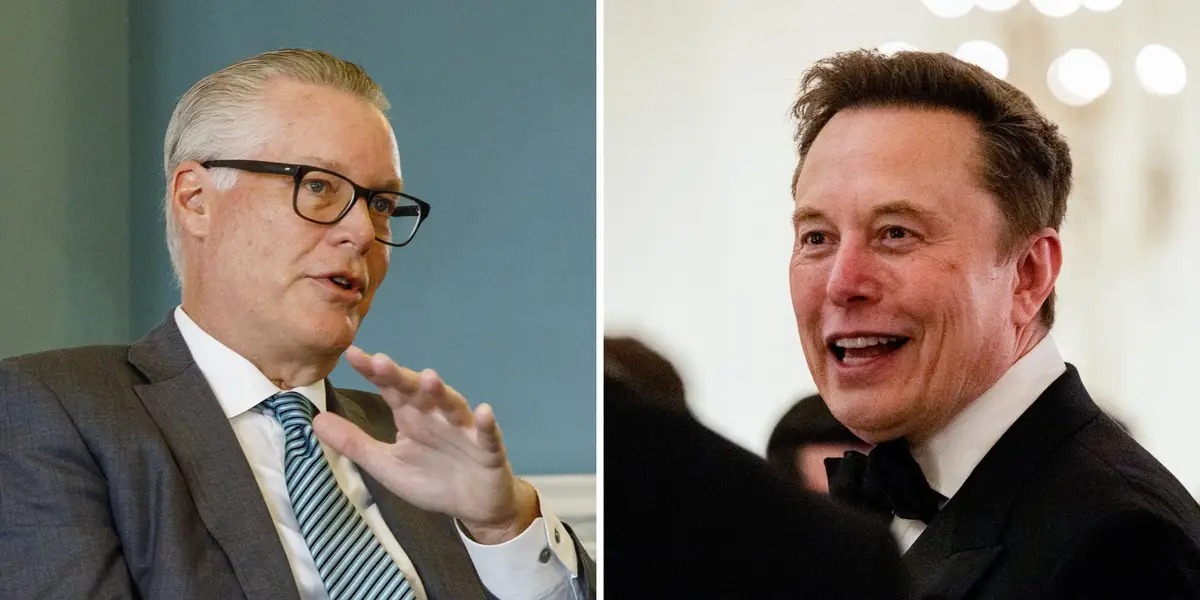
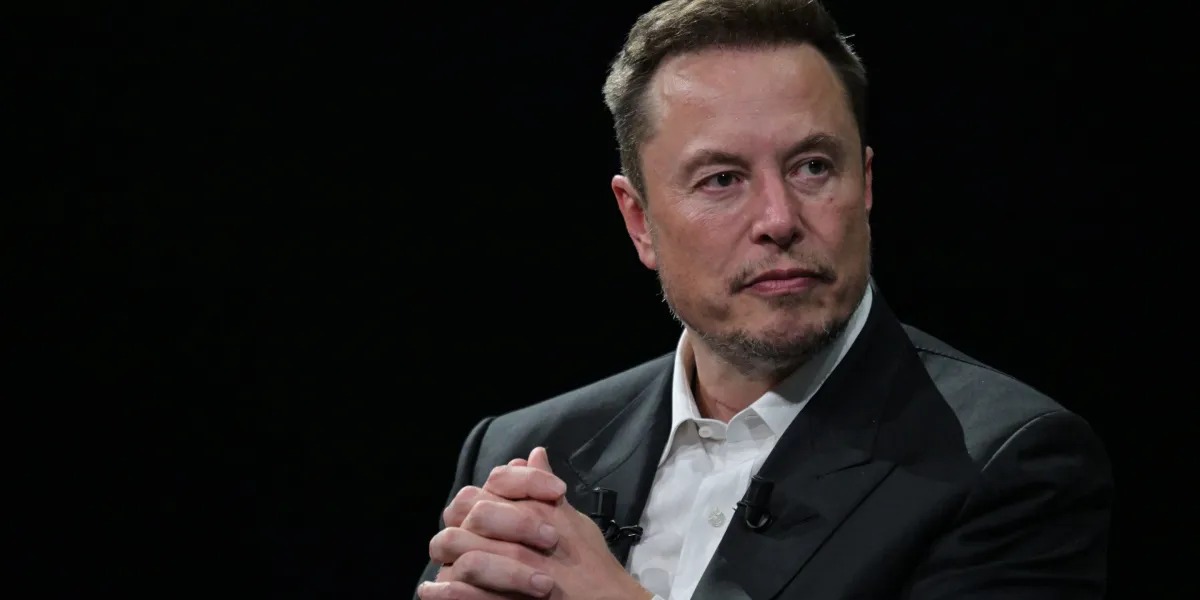
German Transport Minister Steffen Bilger stated earlier this month that calling this software “Full Self – Driving” is somewhat misleading, as it cannot perform all the tasks of driving. According to an official statement from the ministry, he held talks with Tesla last month, after which Tesla made a suggestion for a new name. Bilger said that he will now push for European approval of Tesla Assisted Driving before a possible vote within the EU later this year. Tesla CEO Elon Musk thanked Bilger on X this week.
Musk has been promoting Full Self - Driving ( Supervised ), which is FSD, for many years, and it has been approved in Europe. In June 2025, he wrote on X: " FSD will save the lives of people in vehicles, as well as vulnerable road users such as pedestrians, cyclists, and pets in Europe. Please let your governments know that you want them to approve it."
In March of this year, he wrote that the "extreme regulatory burden" imposed by the EU was stifling innovation in Europe, and added that Europeans "will fall in love with Tesla's autonomous driving!"
A few weeks later, the Netherlands became the first European country to approve FSD ( Supervised ). Reuters reported on Wednesday that Tesla's efforts to gain European approval were "based on flawed company safety research" and "imperfect studies." The media also reported that the Dutch vehicle safety regulatory agency RDW was under strong pressure from Tesla and its large online support group.
Over the years, Tesla's software has indeed become much more powerful. In the past, it was merely a combination of lane centering and adaptive cruise control, but now it has evolved into a comprehensive driving assistance system that some owners use nearly 100% of the time during everyday driving. It can navigate in parking spaces as well as on regular roads and highways. Tesla is very confident in this technology; recently, they even enabled it to intervene in the human driver's control of the vehicle when a collision is about to occur, even if the Autopilot feature is not activated.
However, FSD has always been at the center of federal investigations and civil lawsuits, with related cases involving collisions that are alleged to have occurred while using this system. Its predecessor, Autopilot, which had weaker capabilities, is linked to dozens of fatal accidents. Tesla discontinued the use of Autopilot earlier this year, after a judge ruled that Tesla's marketing regarding the system's capabilities was misleading.