

Reliance Industries ( Reliance Industries ), owned by Indian billionaire Mukesh Ambani, is investing in a historic US refining project proposed by US President Donald Trump and has now become the largest buyer of Venezuelan crude oil outside of the United States.
Trump has been pushing India to purchase more Venezuelan oil. However, according to Kpler data shared with CNBC, although Indian state-owned oil companies are involved in opportunistic purchases, Reliance Industries is the main buyer. The data shows that outside of the United States, India is the largest destination for these supplies, and Reliance Industries has purchased most of that crude oil.
Kpler Chief Research Analyst Sumit Ritolia told CNBC: "The faithful Jamnagar complex has always been the main destination for Venezuelan crude oil in India, and we expect it to remain the main buyer."
Data shows that in September, India imported 257,000 barrels of Venezuelan crude oil per day, of which 76% went to Reliance Industries. Reliance stated that the Jamnagar refinery is the "largest and most complex single-site refinery" in the world, with a crude oil processing capacity of 1.4 million barrels per day.
Ritolia indicates that Venezuela's heavy and super-heavy crude oil is relatively difficult to process and not suitable for all refineries in India's refining system; the Jamnagar complex is particularly well-suited for handling such crude oil.
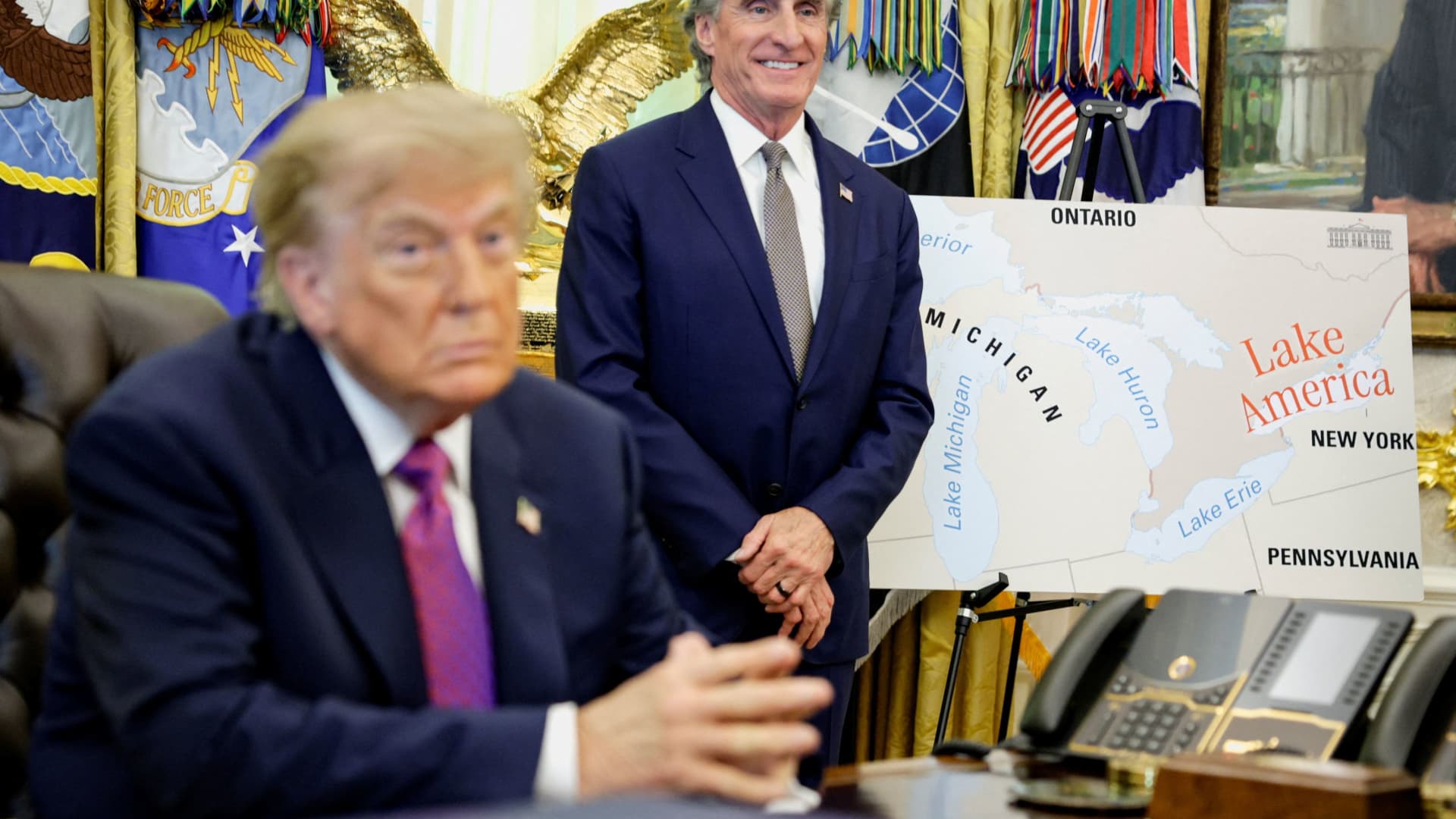
In March of this year, Trump announced that the United States would build its first refinery in 50 years with investment from Reliance Industries. At the time, the president thanked Reliance for making this "substantial investment."
Although Citic has not confirmed the scale of the investment, Trump once posted on Truth Social saying: "This is a historic $300 billion deal - the largest in U.S. history."
Reliance is the company with the highest market value in India, with a market value of over $169 billion.
While Credit Suisse is purchasing Venezuelan crude oil, India's purchase of Russian oil is causing dissatisfaction among the United States; U.S. congressmen have granted Trump the authority to impose tariffs of up to 100% on countries that buy energy from Moscow.
Despite external pressure on India to purchase more American energy and reduce its dependence on Russian oil, the Indian government has insisted that its decisions are made to ensure the energy security of its own citizens.
Ritolia indicates that Russia's oil supply to India in September has "relieved" from the abnormally high levels seen in June and July, but this is mainly due to intensified competition between Beijing and New Delhi, rather than tariff threats.
According to Kpler data, India remains the largest destination for Russian crude oil, with a supply of 1.82 million barrels per day in September, while China's consumption was 1.49 million barrels per day, far exceeding Venezuela's crude oil purchases.
Ritolia said that in October, 350,000 barrels of crude oil per day from Venezuela were scheduled to be shipped to India, but due to the longer voyage, some of it might not arrive until November.