














U.S. President Donald Trump said on Wednesday that after reports that the U.S. military is preparing to launch a possible strike against Iran, he no longer wants to reach an agreement with Iran, and such actions could occur before the mid-term elections.
At a campaign rally with Republican candidates in San Antonio, Texas, Trump said, "I don't think this agreement is what I really want to do, but they are willing to offer anything to prevent the situation from escalating." He also added that Steve Witekoff, the U.S. special envoy for Middle East issues, has been pushing for this agreement and has "done a very good job."
NBC News On Wednesday, citing an American official and another informed source, it was reported that Trump and his national security team have discussed the possibility of resuming large-scale U.S. military operations in the coming weeks.
Axios reported earlier in the day that the possibility of renewed armed conflicts could include "major bombings" of Iran's energy, infrastructure, and nuclear targets, and added that a military escalation could affect the outcome of the upcoming mid-term elections.
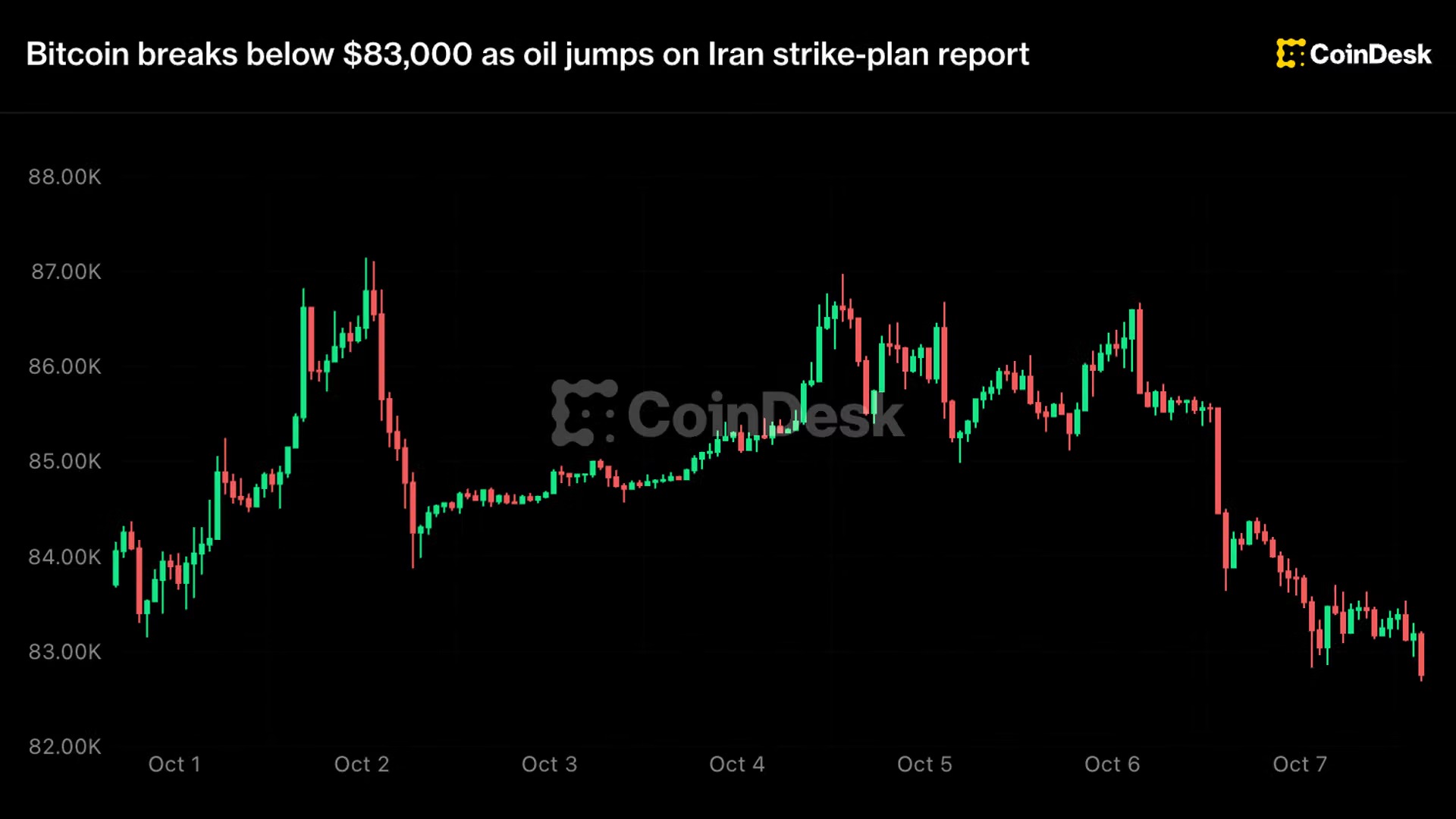
Due to high oil prices and high diesel costs driving up the cost of living, Trump's support rate has dropped to a record low.
Earlier this week, Trump stated that the biggest problem Washington faces is that in the negotiations to end the conflict, no one knows who is in charge of Iran. Iranian officials denied these claims, saying "the problem is actually the opposite." Iranian Foreign Ministry spokesman Esmaeil Baghae referred to the "contradictory positions and confused information dissemination" by American officials.
According to the data from Kpler, although exports in the Middle East have returned to levels close to those before the war, crude oil prices remain high. Excluding Iran, the total volume of crude oil exported from the Persian Gulf, combined with that from Saudi Arabia and the United Arab Emirates, is approximately at the pre-conflict level, which is 18.5 million barrels per day.
Kpler Chief Shipping Analyst Matt Wright stated, "Normalization no longer requires waiting for an agreement." He expects that with the conflict continuing, the normalization process will be "slower and more uneven," and the restoration of traffic will rely more on operational adaptations rather than waiting for diplomatic triggers.