On October 8th, according to a post from the IT community, Google Developers Blog announced on October 6th that it would start supporting the decoding of JPEG XL (. jxl) image format in Google Chrome 155 browser.
According to the official introduction, JPEG XL is a new generation of image format designed to meet the needs of modern Web developers and photographers. Compared to JPEG, it offers a compression rate of 30% to 50%, supports lossless compression, built-in HDR support, and lossless JPEG transcoding, among other features.
The Google developer team recommends that users try both AVIF and JPEG XL simultaneously. Among them, AVIF is suitable for scenarios with "bandwidth constraints, critical loading speeds, and a large number of images" due to its high compression efficiency, rich feature set, and wide browser support; whereas JPEG XL is most suitable for high-fidelity or lossless compression, especially for photographic images, or in cases where fine-grained progressive decoding is required.
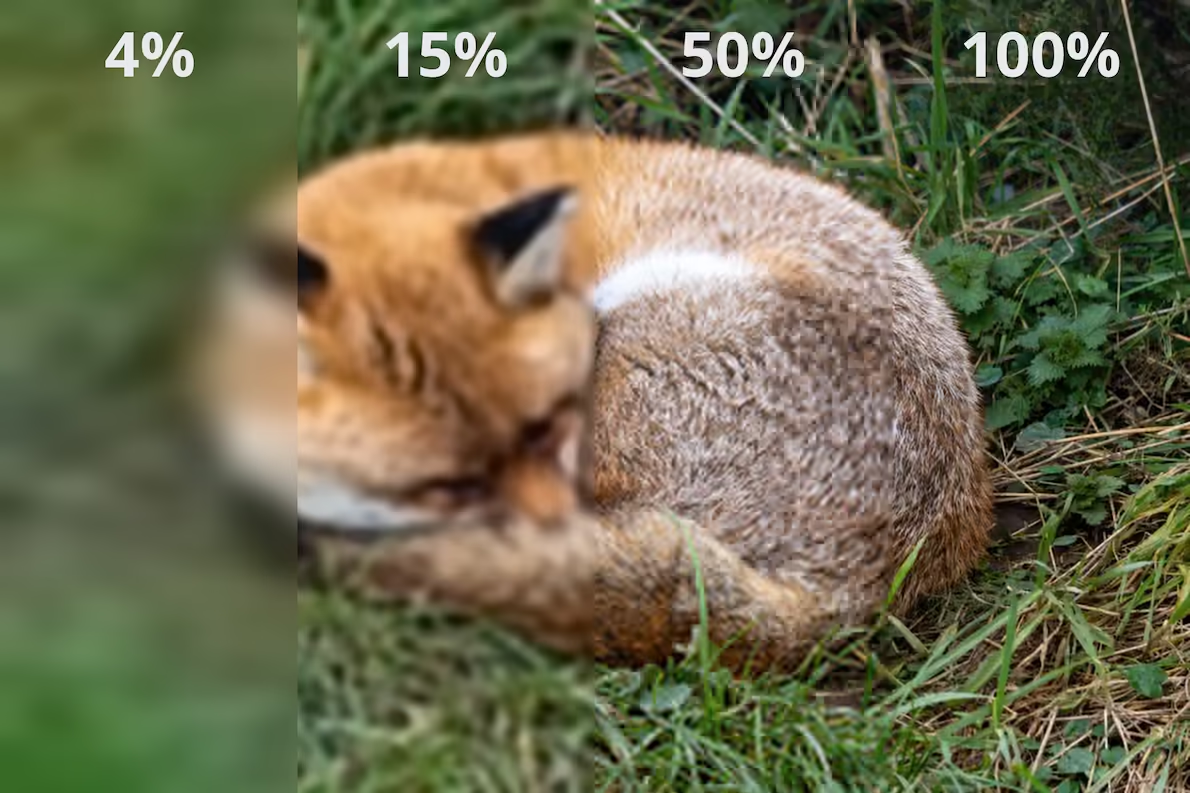
The Google team also shared a video that introduces the progressive decoding of JPEG XL. The complete file of the sample image is 146.7 KB, and after kB downloads, users can already recognize the main subject of the image. IT has attached the relevant video as follows:
In terms of security, Google states that image decoders are one of the most critical and vulnerable areas to targeted attacks in any modern web browser. They directly process complex and untrusted binary structures from the internet and run within the renderer process.
Historically, decoders written in non-memory-safe languages such as C++ are prone to vulnerabilities such as out-of-bounds reads, heap overflows, and the use of bug after memory is freed. To eliminate these security risks at the source, Google has integrated jxl-rs, which is a pure Rust implementation of the JPEG XL decoder.
To maintain operating speed, Google uses secure SIMD instructions in the decoder and constructs a SIMD abstraction layer. Chrome also integrates performance optimizations from jxl-rs. Google states that the team has reviewed and conducted fuzz testing through AI to check the implementation of jxl-rs, and no memory security issues were found during the related testing throughout the development process.
Related Reading:
Rust Achieves Progressive Rendering: Firefox Firefox Browser 157 Will Start Supporting JPEG XL Image Format