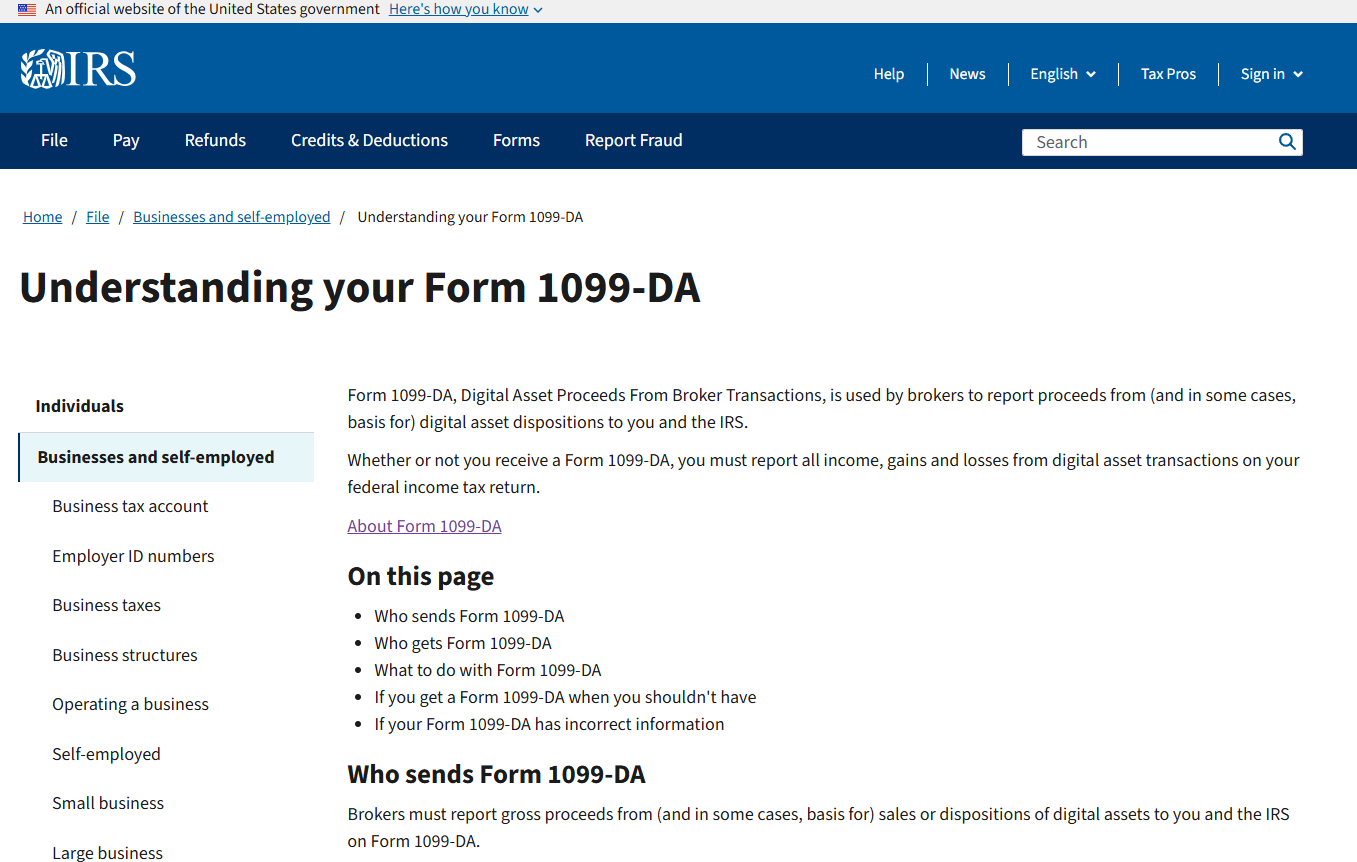


As the stock market fell from its historical highs and bond yields soared, Bitcoin dropped below $83,000, hitting a monthly low.
After the opening of Wall Street on Wednesday, Bitcoin (BTC) continued to fall; previously, driven by news of a war between the United States and Iran, oil prices rose, and the stock market also retreated from its historical highs.
Key points:
- Bitstamp data shows that Bitcoin once fell to $82,734, hitting its lowest level since October.
- Following remarks from Iran regarding transportation through the Strait of Hormuz, U.S. Treasury yields soared to a 24-year high, and the price of Brent crude oil rose to $102 per barrel.
- BTC Price analysis warns that market demand for both spot and derivatives is relatively weak.
Affected by remarks on Iran's oil restrictions, bond yields hit a 24-year high
TradingView data shows that BTC / USD has fallen below $83,000, setting a new low for the month so far.
BTC / USD One-hour chart. Source: Cointelegraph / TradingView
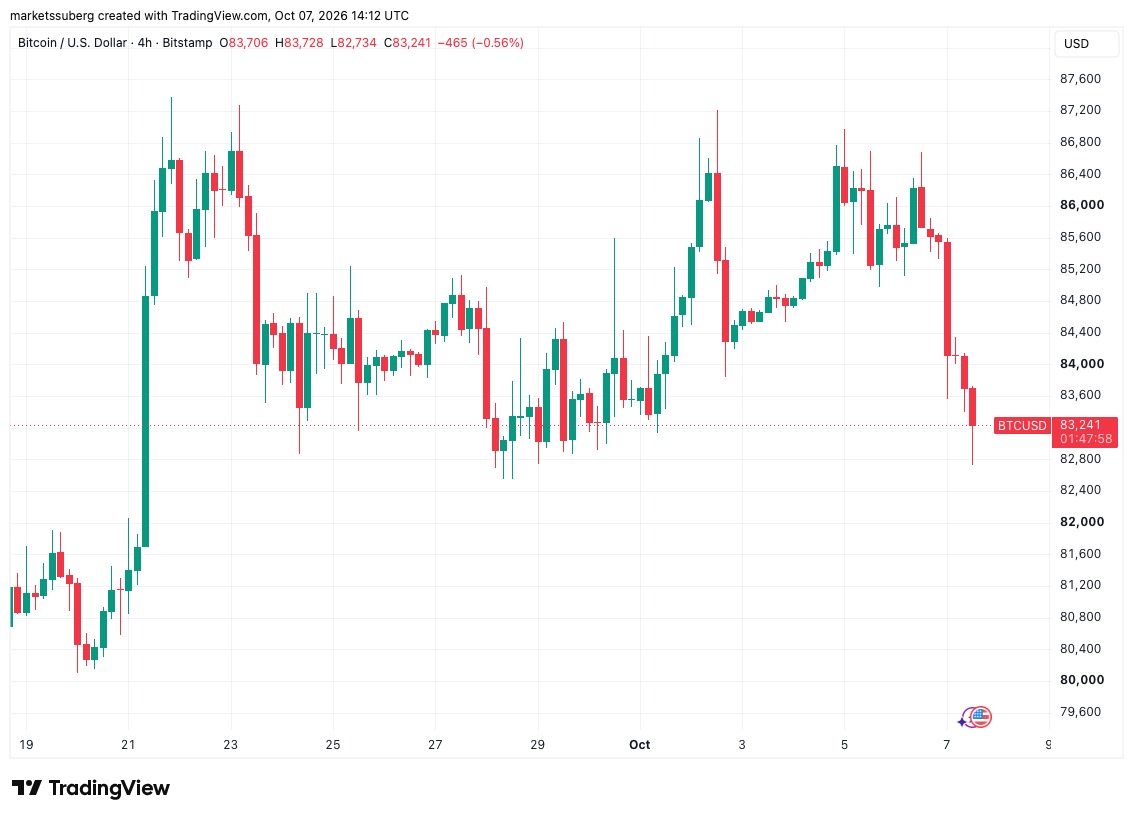
Signals surrounding oil transportation through the Strait of Hormuz were mixed, driving Brent crude oil up to $102 per barrel on that day, while WTI crude oil rose to $91.
Reuters quoted an advisor to the commander of Iran's Revolutionary Guards as saying that Iran would impose restrictions on what it considers "illegal" transportation.
He said, "The Strait of Hormuz is now closed, and the armed forces of the Islamic Republic of Iran have complete control over it. This situation will continue until Iran's legitimate demands are met."
WTI Crude Oil CFD One-Hour Chart. Source: Cointelegraph / TradingView
One-hour chart of the yield on 10-year U.S. Treasury bonds. Source: Cointelegraph / TradingView
Meanwhile, the U.S. stock market turned down after hitting a new historical high on Tuesday. The S&P 500 index fell 0.6% on that day, to 7,773 points.
S&P 500 one-hour chart. Source: Cointelegraph / TradingView
Goldman Sachs' FICC and the co-head of North American interest rate product sales and trading in the equity business, Muhammad Qubbaj, stated in a report on Tuesday that as energy prices remain high and institutional investor demand is weak, yields "may continue to be under pressure."
At an online seminar, he predicted that rising oil prices "are very likely to become a key factor in long-term interest rates."
The upward momentum of Bitcoin is weakening, and demand is insufficient.
As Bitcoin still cannot break through the selling liquidity above around $87,000, analysts warn that demand in both the spot and derivatives markets is weakening.
The on-chain analysis platform CryptoQuant reported on Wednesday: "Since September 22, the price of Bitcoin has remained at a similar level, while the number of open Bitcoin contracts has decreased by nearly 10%, from about $28.8 billion to $26 billion."
"This indicates that, against the backdrop of weak spot demand, futures traders also show limited willingness to take on additional risks."
Bitcoin open interest contract data. Source: CryptoQuant
Bitcoin fell to $83,000, invalidating the support previously provided by its 21-day simple moving average ( SMA ) around $83,850. CryptoQuant added that on a longer time frame, $69,500 is worth paying attention to, as this represents the average cost base for short-term Bitcoin holders—those who have held a position for up to six months without selling.
Bitcoin Analysis
Bitcoin
More related content
- "Lao Qian" has a stronger 'diamond hand' when it comes to Bitcoin, says a BingX executive
- As Bitcoin fell below $84,000, the amount cleared in cryptocurrency transactions reached $550 million.
- Bitcoin ETF rebounds with a net inflow of $119 million, while Ethereum continues to weaken.