According to registration data compiled by Indian electric vehicle media ElecTree, since deliveries began in India in September 2025, Tesla has only registered 993 vehicles.
However, 294 of these vehicles were delivered in September 2026 alone. That month was a record month for Tesla in India, followed by the company's decision to lower prices and launch the six-seater version Model Y L.
It took Tesla nine months to sell 428 cars.
Tesla entered the Indian market in July 2025, and at that time, the price of Model Y was approximately $70,000, which was almost twice its price in the United States at that time. We said at that time that this price was not reasonable.
Data also confirms this point. Statistics from ElecTree show that Tesla registered 69 cars in September 2025, its first delivery month, and the number did not exceed this figure for the following eight months. By the end of 2025, the total number of registrations was 226; between January and May 2026, only an additional 202 cars were registered. February was the lowest month, with only 29 cars registered.
In January, Tesla began offering discounts on the unsold Model Y units from its first batch of imported cars to India. In May, India's Minister of Heavy Industries confirmed that Tesla would not build a factory in the country, which means that every car it sells there will still have to be imported and subject to the corresponding tariffs.
A note regarding the statistical criteria for the 'first year': These data cover 13 calendar months, namely from September 2025 to September 2026. If only the first 12 months are considered, Tesla's registration volume is 699 vehicles.
Additionally, these numbers represent the number of registrations, not the actual number of deliveries. Tesla does not disclose sales figures by country, so registration data is the closest indicator we have available.
Price cuts and Model Y L have changed the trend.
Tesla took two actions this spring.
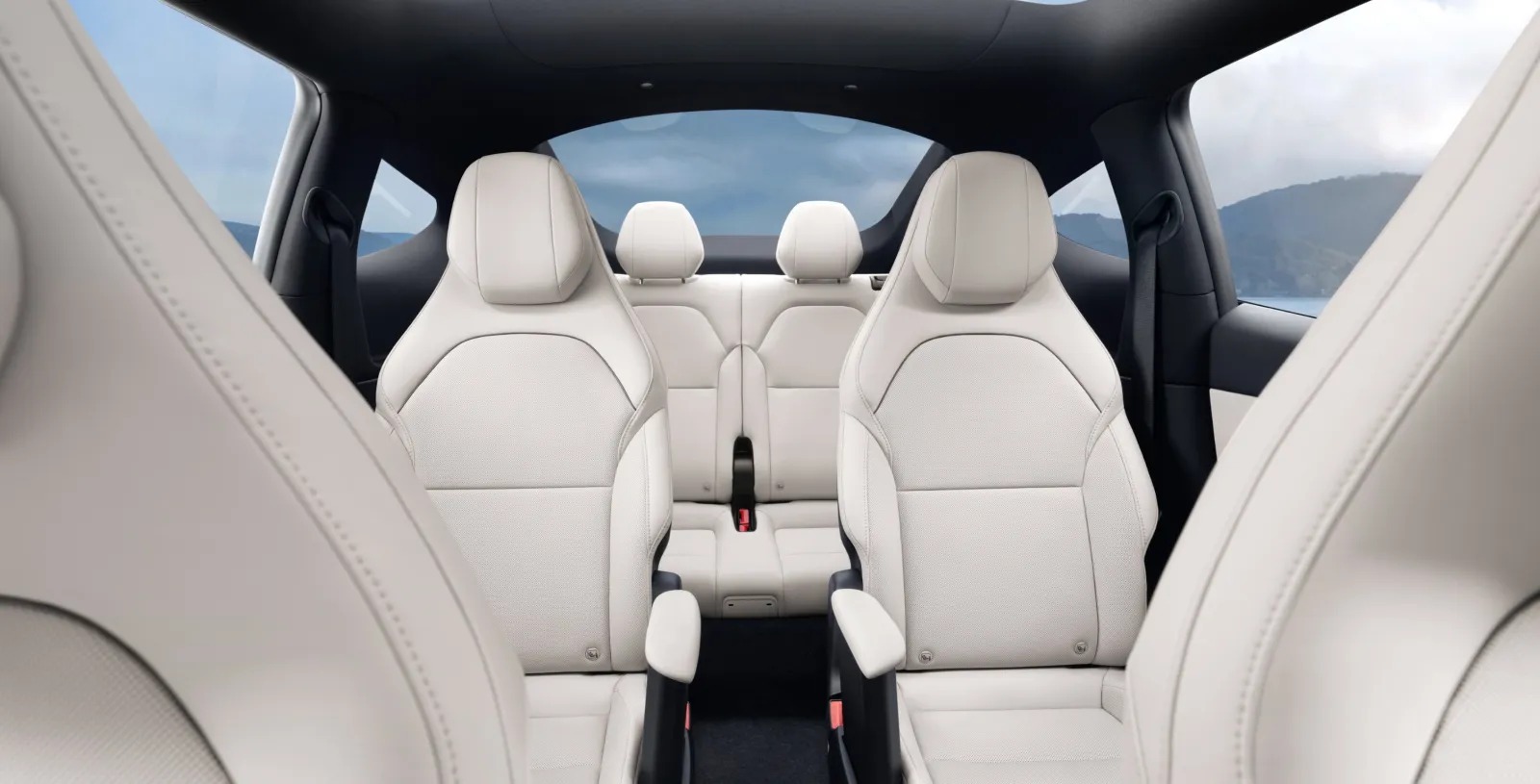
On April 22, Tesla launched the Model Y L in India, with a price of 6.199 million rupees (about $65,000), and deliveries began in June. This longer six-seater model is priced lower than the five-seater version, the Model Y Long Range, which was priced at 6.789 million rupees (about $71,000) and has since been removed from the product line.
Subsequently, in late May, Tesla reduced the price of its entry-level Model Y by 900,000 rupees, from 5.989 million rupees to 5.089 million rupees, a decrease of 15%, with a starting price of about 53,000 US dollars.
From then on, the number of registrations began to rise:
A total of 565 vehicles were registered within four months, surpassing the 428 vehicles that Tesla managed to register in the previous nine months.
Model Y L accounted for the majority of sales. It achieved 425 registrations within four months, which is on par with the performance of the entry-level Model Y over 13 months. In September, this six-seater model accounted for 81% of Tesla's registrations in India.
Model Y L was launched in the United States in July, with a price of $61,990. Therefore, before taxes and fees, the price that Indian buyers pay for an imported car is about $3,000 less than the US selling price, while India's tariffs on imported cars can reach up to 110%. A year ago, Tesla required them to pay almost twice the price as in the United States.
However, this is still significantly higher than the starting price of around $47,000 for this model in China, as Tesla produces this car in China.
Tesla is also increasing its number of stores. Initially, it opened showrooms in Mumbai, Delhi, and Gurgaon. ElecTree reported that subsequently, it opened stores in Bangalore, Hyderabad, Chennai, and Noida as well.
Tesla is still just a minor player in India.
According to the registration data from Vahan reported by Autocar Professional, India registered 35,995 electric vehicles in September, a year-on-year increase of 98%. Tata Motors alone sold 14,769 units. Tesla's record monthly sales amount to only 0.8% of the Indian electric vehicle market.
In the luxury car segment, Tesla has performed even better. The same set of data shows that BMW registered 502 electric vehicles in September, Tesla 291, and Mercedes-Benz 125.
Therefore, Tesla has now become India's second-largest luxury electric vehicle brand, accounting for about 30% of the market share in this segment, whereas last year at this time there were only 69 units sold.
An even more striking contrast comes from VinFast. This Vietnamese automobile manufacturer registered vehicles in India for the first time in the same month as Tesla. However, it has a factory in Tamil Nadu for local assembly, and the SUV is priced between 180,000 and 230,000 rupees (about $19,000 to $24,000).
VinFast Registered 2,963 vehicles in India in September. The monthly sales volume is three times the total of Tesla's sales over 13 months.
Obviously, the price ranges of the two are different. But this also illustrates what local production in India can bring.
Views of Electrek
In January, we wrote that you can't sell a car that costs $40,000 for $70,000 and still expect to achieve high sales volumes. Tesla did just that, yet they only managed to sell 40 to 60 cars per month as a result.
Subsequently, it reduced the entry-level price by 15% and introduced a larger model at a price lower than the previous top-of-line version, and now the monthly sales volume is approaching 300 units.
This is probably a bit confusing for Indian consumers.
In addition, it is also difficult to determine the impact of price changes on sales volume; how much of that impact needs to be separated and considered separately from the expansion of stores in other cities.
Anyway, for now, despite its mediocre performance, Tesla doesn't seem to have given up on the Indian market.
Charge your electric vehicle at home using rooftop solar panels. You can search for reliable and competitively priced solar installers in your area for free at EnergySage. They have pre-screened installers to compete for your orders, ensuring high-quality solutions and saving you 20% to 30%. There will be no sales calls before you choose an installer, and it's completely free. You can also compare personalized solar quotes online and get guidance from neutral energy consultants. Click here to get started.
FTC: We use automated affiliate links that can generate revenue. For more information.