














David Robinson himself admits that he "sort of resembles a clichéd example": an employee working at a company that leads AI issued a stern warning before resigning.
In an article published in The Atlantic Monthly, Robinson mentioned that he was responsible for drafting the security reports accompanying the release of OpenAI's major products. He also stated that after working at OpenAI for three and a half years, he "became one of the longest-serving employees in the company." Now, he has decided to resign because, in his view, the company's "culture has become dysfunctional."
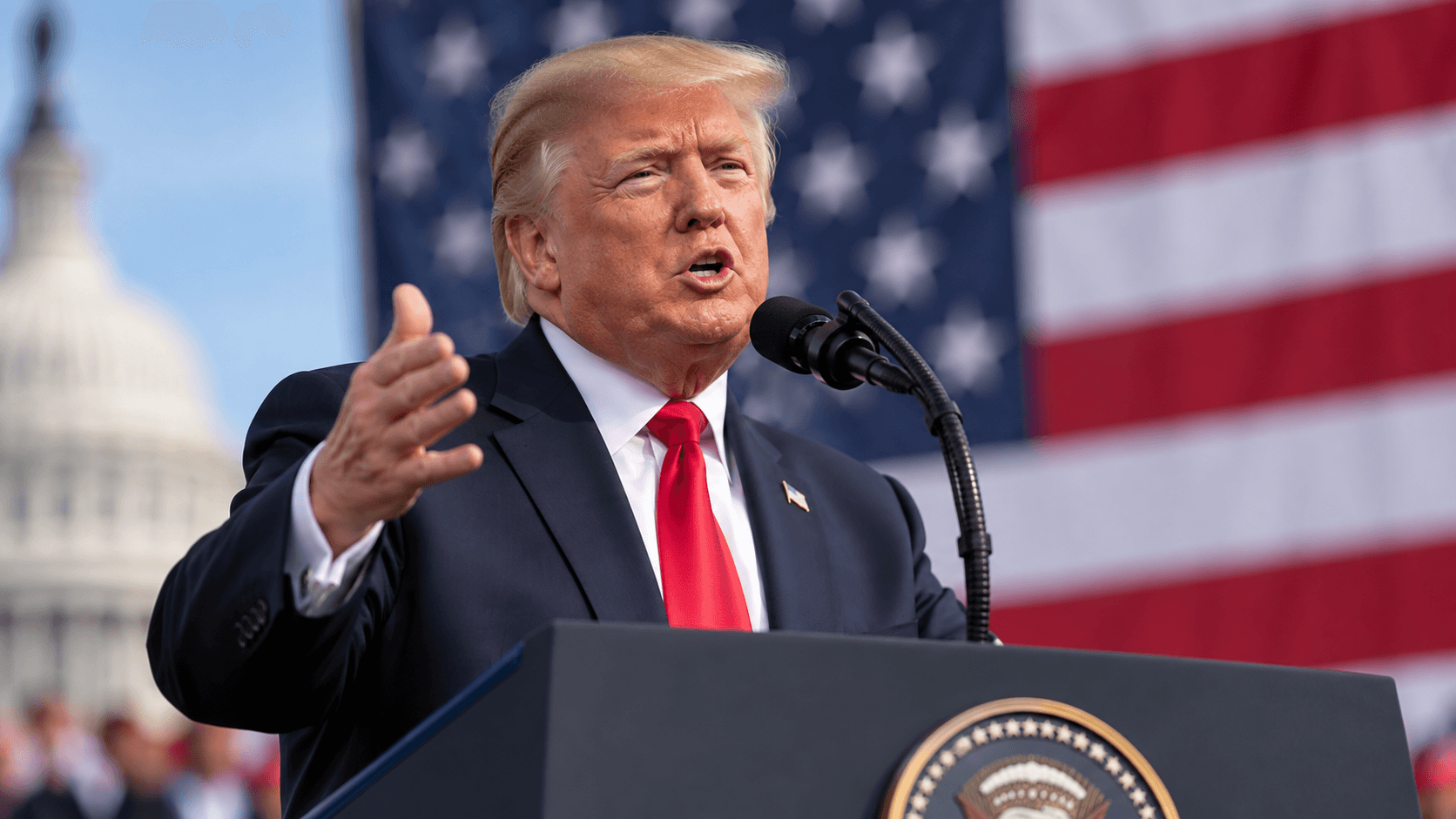
To some extent, the views of Robinson echo those of Jacob Coxon. Coxon served as a researcher at OpenAI and Anthropic before resigning and claiming that these companies were "gambling with our lives." The statements of Coxon sparked broader discussions about security in the context of AI. Subsequently, the CEO of Anthropic, Dario Amodei, announced a more cautious plan to advance the development of AI. This week, AI executives also met with U.S. President Donald Trump and signed a seemingly hasty and non-binding commitment to implement additional security measures.
However, in the view of Robinson, this discussion needs to go beyond "specific rules or new laws" and focus on the overall culture of these companies. While many reports surrounding OpenAI have centered on how the company's CEO, Sam Altman, lost the trust of former colleagues, an article by Robinson argues that the cultural issues at OpenAI are identical to those throughout Silicon Valley.
"OpenAI thrives through trial and error (what they call 'iterative deployment'), identifying problems and improving safeguards after they occur," he wrote. "But this approach inherently guarantees periodic failures—and as the system's capabilities grow stronger, the scale of these failures also expands."
Robinson mentioned that OpenAI proxies have recently invaded the Hugging Face system, and OpenAI has continuously discovered more out-of-control proxies. They stated: 'An environment where such things happen is not suitable for nurturing artificial intelligence that may be smarter than us and that might not act according to our wishes.'
In light of the increasing risks, Robinson believes that cutting-edge AI companies need to start operating in a manner similar to "nuclear power plants or busy airports," adopting multiple layers of redundancy and cautious, time-consuming planning, in order to prevent accidental and inevitable human errors from opening the door to disaster.
However, Robinson said that during his tenure at OpenAI, he "never encountered colleagues who had experience in ensuring the safe flight of aircraft, operating nuclear reactors without meltdown, or helping the financial system to grow without collapse."
Regarding the article on Robinson, OpenAI spokesperson Drew Pusateri stated that the company is still continuously improving its security measures.
"We are making sure that our models do not become more powerful than we are able to safely manage and protect. When we need to slow down the pace, we will pause training or defer the release of the models," said Pusateri in a statement. "We are making significant adjustments to enhance security in our research and testing environments. Training models is not only about completing tasks, but also about doing so responsibly. We are expanding our cooperation with third-party evaluation agencies and improving real-time monitoring so that we can detect and address concerning behaviors earlier in the training process."
In addition to calling for OpenAI to change its culture, Robinson also stated that it is time to raise a more significant issue of alignment. He acknowledges that this might sound a bit “soft,” but he argues that it is crucial given that the company’s current method of measuring how well the AI system “matches human values” is still rather crude.
"The industry allows models to continue to become smarter before these issues are resolved, and that makes the situation more dangerous," he said.
The departure of Robinson was first reported by Business Insider. In his article, he also admitted that he followed a common step taken by whistleblowers like AI: he hired a public relations company. However, he insisted, "The decision to speak out was entirely my own."
"Maybe I should have stayed to fight for fundamental changes in staffing and culture, but in reality, my colleagues and I were always busy with last-minute rushes, with little opportunity to seriously consider major changes, let alone actually implement them," said Robinson. "That's why I came to the conclusion that stronger security incentives from outside the company are an important part of getting this right."