

A new survey released by Nexo shows that high-net-worth investors have become more common in holding crypto assets, but the number of those who truly incorporate these assets into their long-term wealth planning is still limited. The survey covered the United States, the United Kingdom, and Argentina, and most respondents had already been exposed to the crypto market, yet they remained cautious when it came to retirement planning and core asset allocation.
The average integration level is less than half.
The company disclosed that this "2026 Digital Wealth Future" report is based on a sample of 1,000 high-net-worth investors and introduces an "Cryptocurrency Integration Index" to measure the actual allocation depth of crypto assets in personal finances. The results show that respondents from the three regions scored an average of 4.83 out of 10.
According to the definition of Nexo, this score corresponds to small-scale, short-term crypto holdings that are typically not yet part of a retirement plan. Only 4.7% of respondents scored 7 points or higher. This group is considered to have structurally incorporated crypto assets into their wealth management, meaning they have partially replaced traditional assets and moved towards longer-term financial arrangements.
The report also shows that over 40% of respondents have already invested in crypto assets, but they have not yet made it their primary tool for wealth accumulation. Only nearly 20% expect that in the next decade, crypto assets will become the main source of personal wealth growth, surpassing salaries, stocks, and real estate.
The US has a deeper configuration, while Argentina has a higher holding rate.
There are also significant differences between different markets. Argentina has the highest holding rate, reaching 74%, but its crypto integration index is 4.62. The United States has the lowest holding rate at 62%, yet it has the highest level of integration, with an index of 5.07. The UK has a holding rate of 65% and an integration index of 4.75.
This means that a high holding percentage does not equate to a more sophisticated investment strategy. According to the parameters of this survey, although American investors have an overall holding rate lower than that of Argentinians, they are more inclined to incorporate crypto assets into a more comprehensive wealth management plan.
- Argentina holds a 74% share, with an integration index of 4.62.
- U.S. holding rate is 62%, integration index is 5.07
- UK holding rate is 65%, integration index is 4.75
The integration level is highest among people aged 35 to 44.
In terms of age distribution, respondents aged 35 to 44 have the highest level of integration with cryptocurrencies, among whom 28% consider digital assets to be a core part of their retirement planning. The group aged 18 to 25 exhibits a higher holding rate and a more positive attitude towards cryptocurrencies, with over 90% holding such assets, but only 2% of them have invested for 10 years or longer.
This set of data reflects that younger investors are more willing to enter the market, but their willingness for long-term investment is still relatively weak. In contrast, middle-aged individuals are more likely to combine crypto assets with their long-term financial goals.
Security, costs, and platform experience remain obstacles.
The company stated that the main obstacles preventing crypto assets from further entering wealth management are no longer just risk perception. Surveys show that among investors with a higher level of integration, issues are more focused on platform trust and user experience.
Among respondents with an encryption integration index of 7 points or above, 36% mentioned security issues, 34% cited high fees, and 28% pointed out the complexity of the platforms. This indicates that even though investors have embraced crypto assets, the barriers at the platform level still affect their decision to increase their investment.
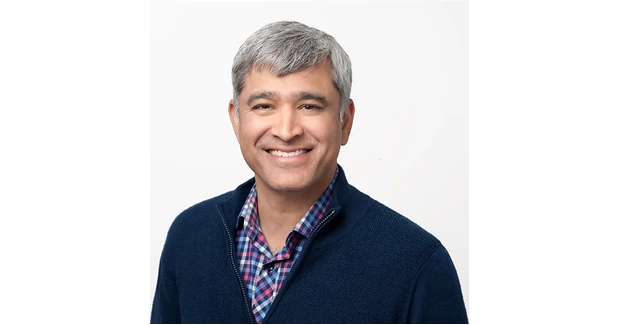
Nexo, the Chief Operating Officer of the United States, Neil Steinhardt stated that after investors overcome the stage of risk perception, the main issues that remain are security, fees, and platform usability. Nexo analyst Iliya Kalchev also noted that what truly creates a difference is no longer just the perspective on risk, but whether investors are willing to use crypto assets to replace some traditional assets and incorporate them into their retirement planning.
Additional information:This survey was conducted from February to March 2026 through Attest. In the United States and the United Kingdom, respondents were required to have at least $100,000 in liquid assets; in Argentina, the threshold was $40,000. The sample targeted the top 25% to 30% of individuals with investable wealth in each market.