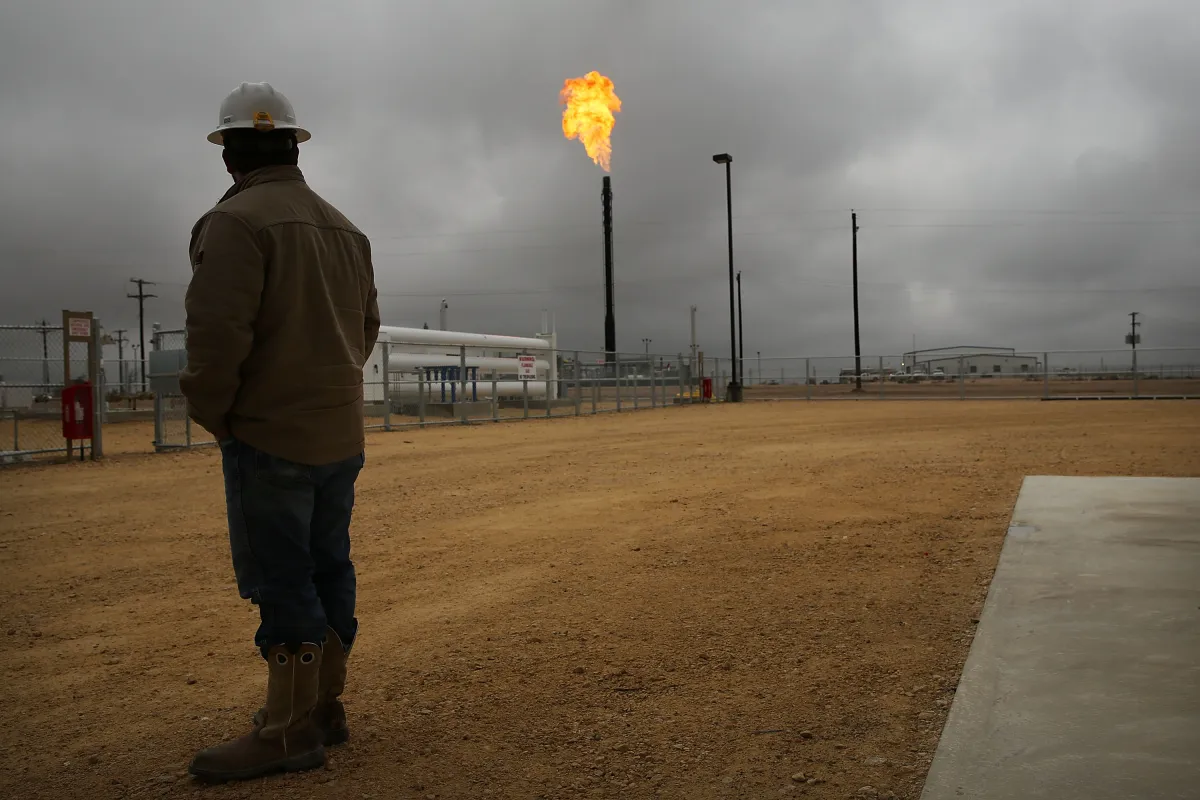


AI The expansion of computing power is pushing U.S. data centers towards higher levels of energy consumption. Bloomberg New Energy Finance predicts that by 2035, the natural gas usage of such facilities could exceed the current total of Germany and Japan, and accordingly, energy prices and emission pressures will also rise.
By 2035, the daily gas consumption may reach 18 billion cubic feet.
According to the latest forecast by Bloomberg New Energy Finance, data centers are set to become the second-largest driver of natural gas demand growth in the United States over the next decade, second only to liquefied natural gas exports. By 2035, data centers could consume approximately 18 billion cubic feet of natural gas per day.
This figure is almost double compared to the institution's prediction from 9 months ago. The new forecast takes into account that not all of the announced data center projects will necessarily be completed in the end.
Tech companies are advancing the construction of their own gas power stations
In recent months, Meta, Microsoft, Google, and Amazon have all proposed plans to build new natural gas power plants. Some of these projects will bypass the public power grid to supply electricity directly to data centers. Bloomberg New Energy Finance estimates that by 2035, such self-provided power projects will consume between 2.9 and 3.4 billion cubic feet of natural gas per day.
- The daily gas consumption for self-provided power projects ranges from 2.9 to 3.4 billion cubic feet.
- The total daily gas consumption forecast for the data center is approximately 18 billion cubic feet.
- Grid-connected data centers will generate an additional demand of about 15 billion cubic feet per day.
The larger increment comes from the power grid side.
However, the greater demand growth still comes from data centers that are connected to the public power grid. Projections indicate that by the middle of the next decade, this additional load will drive an extra demand for about 15 billion cubic feet of natural gas per day in the US electricity industry.
According to Bloomberg New Energy Finance, this increase is approximately five times the total demand growth of all other grid-connected industries during the same period.
Prices and emission pressures rise in tandem
If the above demands are met, U.S. natural gas prices may face upward pressure. Reports mention that many current data center investments are based on the expectation of low natural gas prices, but as data centers expand and liquefied natural gas exports grow, the risk of tightening supply and demand is increasing.
Data from the International Energy Agency shows that burning 1 cubic foot of natural gas results in approximately 60 grams of carbon dioxide equivalent emissions across the entire process, including extraction, processing, and transportation. Calculated in this manner, the additional demand for natural gas by data centers could lead to about 1 million tons of additional greenhouse gas emissions per day, which is roughly equivalent to 12% of the current total greenhouse gas emissions in the United States.