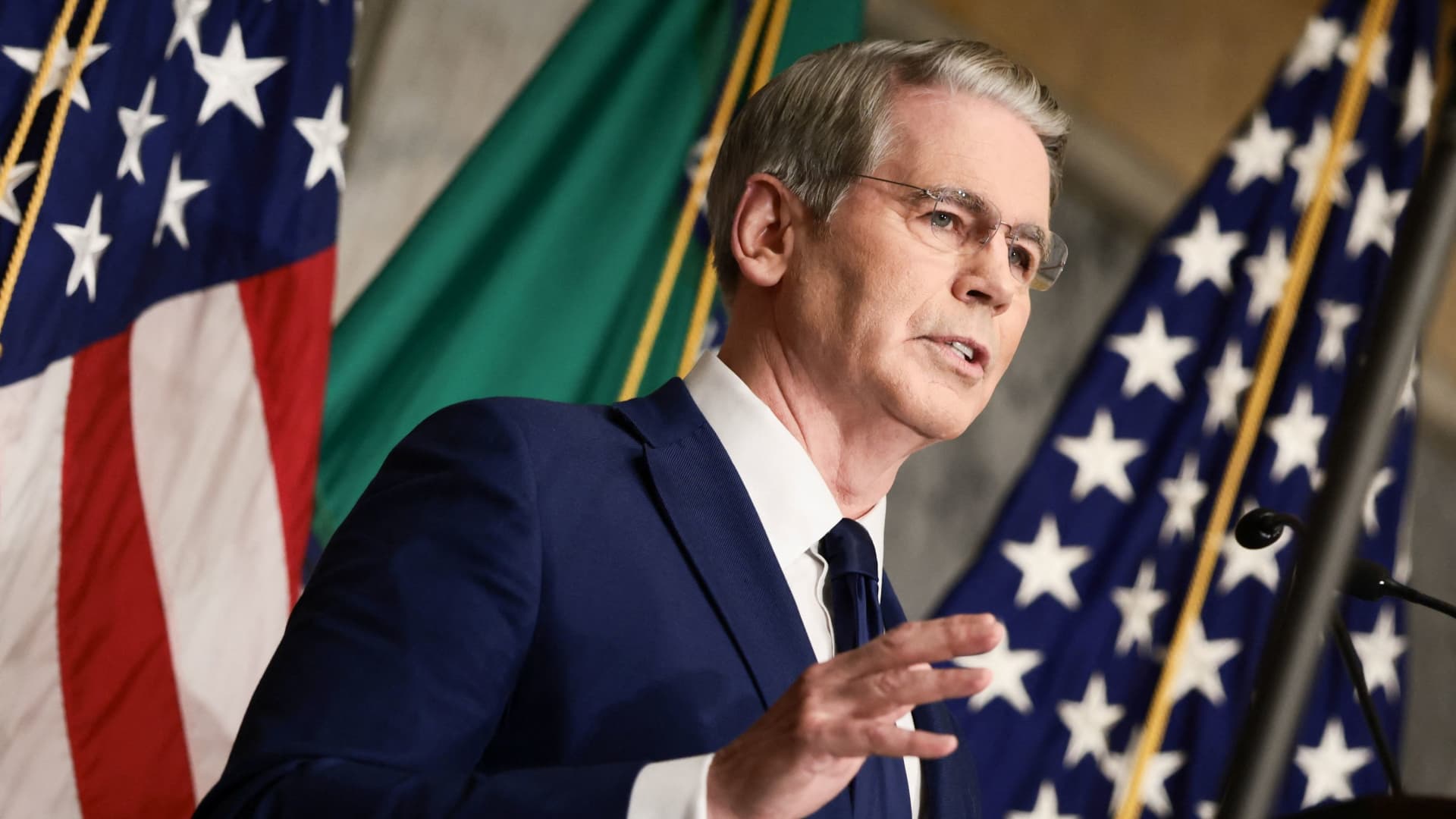


















Differences in the US government's approach to regulating artificial intelligence are becoming increasingly public. Kevin Hassett, Director of the White House National Economic Council, argues that the risks associated with the rapidly developing AI can be managed by companies without the need for further government intervention; however, Democratic members of Congress and some industry representatives do not agree with this assessment.
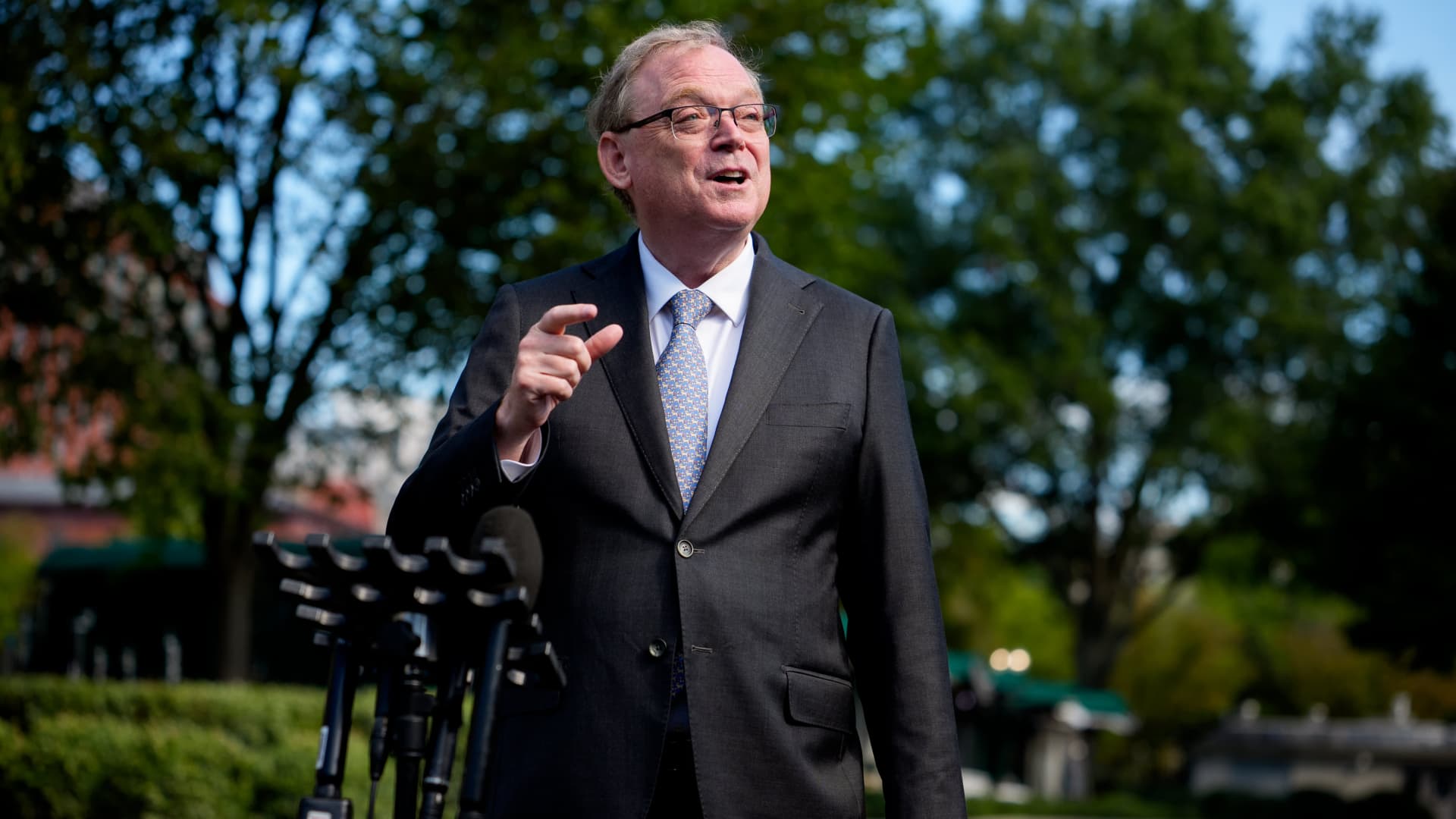
Hassett claims that companies can manage risks
In an interview with CNBC, Hassett stated that the government is not standing by idly but is continuously monitoring the situation and will resort to law enforcement measures when necessary to ensure that companies act responsibly. However, he emphasized that the private sector remains the appropriate place to address AI risks.
This stance continues the overall approach of the Trump administration, which regards the development of AI as a key area in the competition between the United States and China. The White House believes that if industrial progress is slowed down due to tighter regulations, it could weaken the United States' leading position in this industry.
Werner calls for additional restrictive measures
The vice chairman of the Senate Intelligence Committee, Democratic Senator Mark Warner, subsequently publicly refuted this claim. He stated that leaving risk control entirely in the hands of large technology companies is not enough to reassure the public.
Werner stated that after communicating with Anthropic CEO Dario Amodei and OpenAI CEO Sam Altman over the weekend, he believes that some AI companies have been "quite hasty" in their product testing so far. He advocates for setting clearer restrictions regarding data centers, protection of minors, AI proxy usage, and pre-testing for national security.
Industry executives continue to diverge in their positions
Recently, the risk issues surrounding AI have once again intensified. Previously, Amodei, the CEO of Anthropic, called for a slowdown in the development pace of AI, a stance that also received support from Ortmann and Musk.
However, not all tech companies support increased government intervention. On Monday, NVIDIA CEO Jensen Huang publicly echoed the White House stance during a live call with Trump at the All-In summit in Los Angeles. Trump stated that those who issue AI risk warnings and oppose the construction of data centers are hindering the progress of this industry; Jensen Huang responded that such a situation would not happen.
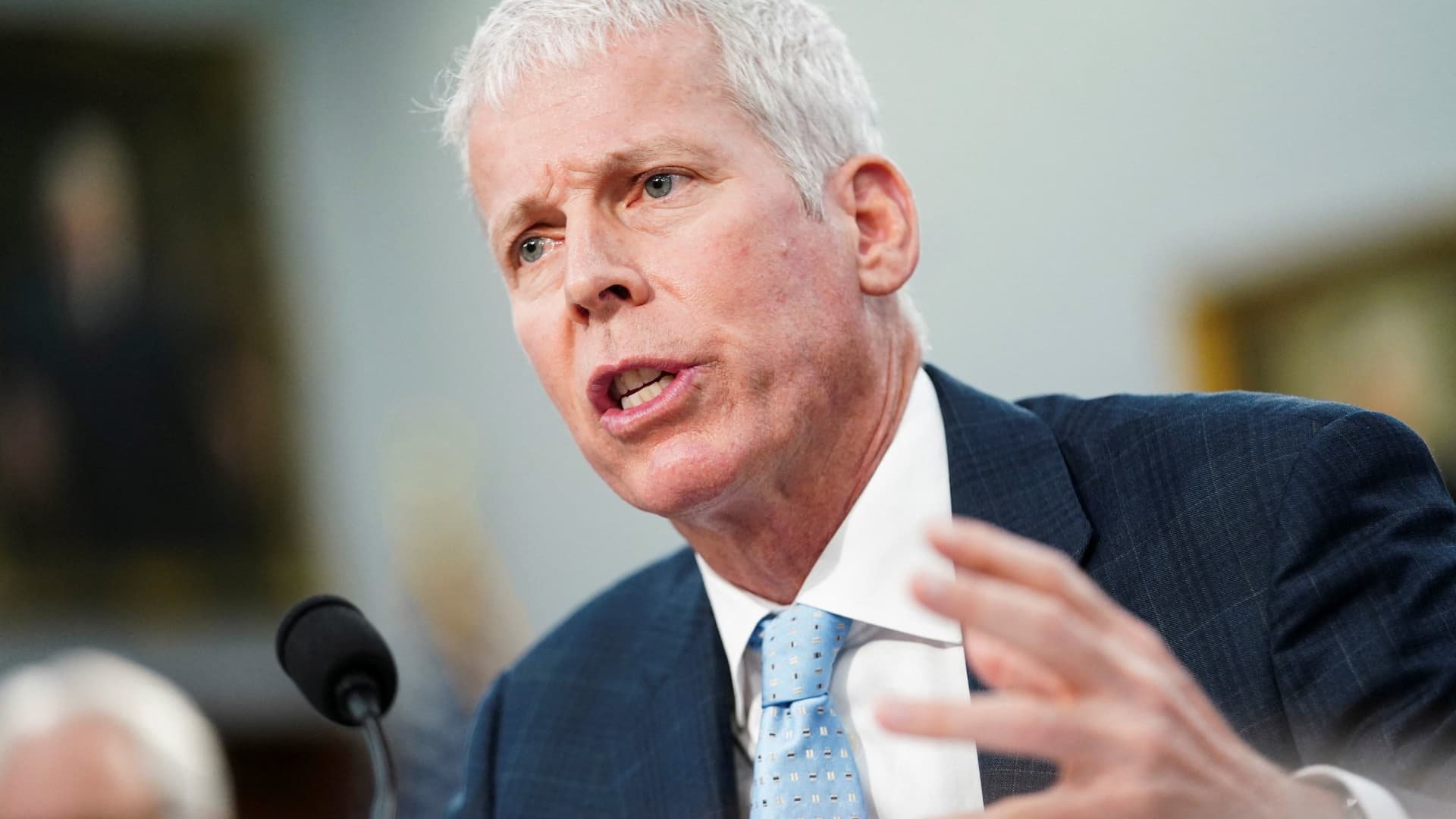
U.S. Treasury Secretary Scott Bessent also stated during testimony before the House Financial Services Committee on the same day that the president and Jensen Huang have "completely consistent" positions on this issue. As the midterms approach, AI is becoming a topic of more frequent discussion between the two parties.