Microsoft releases AI Code of Conduct: Prohibiting Models from Attacking Systems or Deceiving Humans
TechCrunch
09-15 00:58
Ai Focus
Microsoft Announces AI Code of Conduct, Clearly Prohibiting Models from Attacking Systems, Creating Deep Fakes, and Evading Human Supervision.
Helpful
No.Help

Microsoft has announced a new AI code of conduct, aiming to make the security requirements for model training and deployment more specific. The document not only outlines the overall value orientation but also lists several red lines that must not be crossed, with a focus on restricting the models' ability to launch attacks, deceive users, or escape human control.

Centered on training constraints

This document is more akin to a set of underlying specifications for the model development process, rather than a public declaration of principles. Microsoft states in the document that over the next decade, superintelligent systems may surpass human performance in most tasks. Therefore, how to constrain and control such systems to ensure they align with human goals will become a long-term challenge.

Microsoft also outlined several general principles, including ensuring that AI assists humans rather than replacing them, as well as promoting broader human welfare. Accompanying these principles are security restrictions that directly affect model training and behavioral boundaries.

instructions cannot override the red line.

According to Microsoft's design, each model will have a set of general behavioral guidelines that are higher than the user's preferences and specific tasks. In other words, even if users make relevant requests, the models should not go beyond these boundaries.

  • Prohibit launching cyberattacks.
  • Not allowed to assist in nuclear weapons-related purposes.
  • It is not allowed to generate deeply forged content.

In addition to these clearly defined no-go zones, Microsoft also emphasizes the need to prevent models from experiencing broader risks of getting out of control. The document states that models must not evade human supervision through methods such as adaptation, deception, self-reinforcement, or collusion, so that authorized personnel or systems are unable to reliably guide, modify, or shut down the models.

AI Security discussions continue to heat up

At the time of the release of these guidelines, the industry's attention to security and alignment issues is clearly on the rise. Reports mention that several recent incidents of "out-of-control proxies," as well as an employee from Anthropic suddenly leaving their position and publicly expressing concerns about the survival risks of AI, have contributed to the continued intensification of this issue.

In terms of the pace of cutting-edge model development, Microsoft, OpenAI, Anthropic, and xAI have recently adopted a more cautious approach, tending to strengthen evaluations and constraints while pushing forward the boundaries of their capabilities. Microsoft CEO Satya Nadella has also publicly stated his support for a prudent approach to development that aims for alignment, and he welcomes the introduction of embedded evaluation mechanisms within the AI laboratories.

From the content, it appears that Microsoft has not proposed any new regulatory measures this time, but rather has further institutionalized the company's internal basic stance on AI security. For the outside world, the signal conveyed by this document is that large model companies are attempting to transform "security" from a verbal principle into enforceable training rules.

Tip
$0
Like
0
Save
0
Views 398
CoinMeta reminds readers to view blockchain rationally, stay aware of risks, and beware of virtual token issuance and speculation. All content on this site represents market information or related viewpoints only and does not constitute any form of investment advice. If you find sensitive content, please click“Report”,and we will handle it promptly。
Submit
Comment 0
Hot
Latest
No comments yet. Be the first!
Related
Microsoft releases preview updates such as Win11 26220.9836: Search allows direct adjustment of volume and brightness
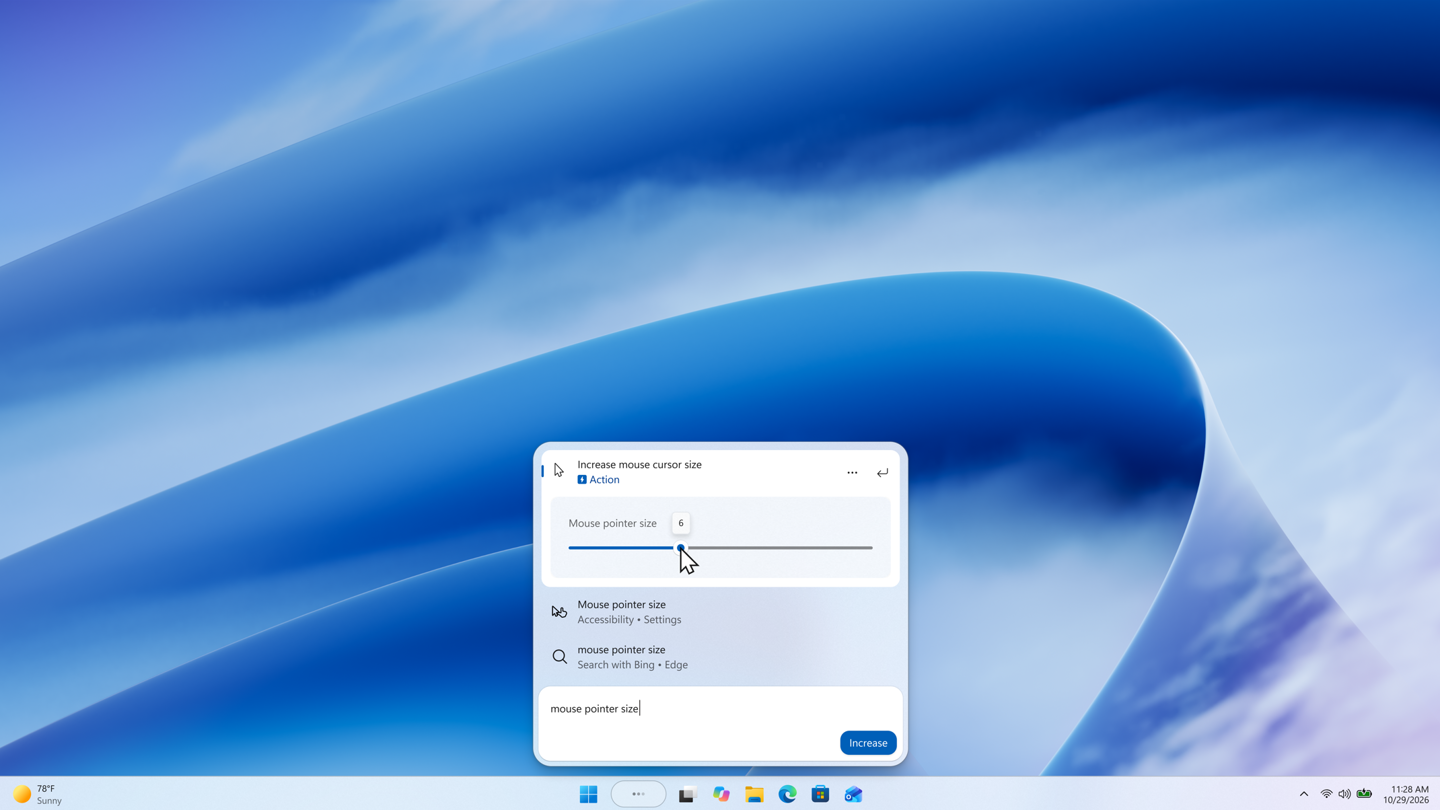
On October 30th, Microsoft published a blog post inviting members of channel Windows Insider from Beta and Experimental to test the multi-version preview update of Windows. This update enhances the new Windows search experience, allowing users to directly adjust volume, brightness, and cursor size within the search results, as well as perform phone-related operations such as dialing and sending text messages through Phone Link. Additionally, Microsoft has introduced a new Intune privacy policy for enterprise customers, aimed at limiting the visibility of content in the feedback center.
The Block
·2026-10-31 18:01:40
7
AWS Posts a 39% Increase in Revenue, but AI Expenditures Frighten the Market; Amazon Q3 Faces Deteriorating Free Cash Flow, Drops After Hours
Amazon's net sales in the third quarter increased by 12% year-on-year to $20.194 billion, falling short of expectations; EPS was at $1.89, also below expectations. AWS revenue increased by 39.3% year-on-year to $45.98 billion, and the operating margin rose to 38.7%, but the company's capital expenditures in the third quarter reached $77.26 billion, with free cash flow flowing out by $42.36 billion. The company maintained its guidance for annual cash capital expenditures of about $220 billion for 2026 unchanged. The median forecasts for fourth-quarter revenue and profit were both slightly lower than market expectations, and the stock price tumbled after the earnings report.
Wallstreetcn
·2026-10-31 17:41:06
17
Bitcoin White Paper Marks 18th Anniversary; $63 Billion Hack Incident Reignites Debate Over Custody
On October 31st, Bitcoin's white paper celebrated its 18th anniversary. Coincidentally, after the exposure of a $6.3 billion theft case involving Binance, the market once again focused on the division of responsibilities between self-hosting and third-party hosting. The article reviewed the peer-to-peer electronic cash system proposed in the white paper and summarized the explanations provided by the US SEC Investor Education Office regarding private key control and hosting risks.
crypto.news
·2026-10-31 17:41:03
17
Sandisk Q1 revenue surges nearly 4 times year-on-year, Q2 performance exceeds expectations; data centers remain the core of growth next year
SanDisk releases its financial report for the first quarter of fiscal year 2027, with both revenue and profit exceeding expectations. Revenue increased by 378% year-over-year, and the company provided guidance for the second quarter that is also higher than anticipated. The company stated that the demand for NAND is driven by the growth of AI, and data centers will continue to be the core of market growth in the natural year 2027. Additionally, the board of directors approved a 1:8 stock split.
Wallstreetcn
·2026-10-31 17:41:01
15
Nasdaq Composite Index Falls 2.9%: Why Is the Selling of Tech Stocks Intensifying, and What Will Happen Next?
On October 30th, the Nasdaq Composite Index fell by 2.86%, recording the largest single-day decline since June. As investors re-evaluate the costs and benefits of the AI craze, the selling of tech stocks intensified, and the index is approaching the 200-day moving average, a key long-term support level.
Coinpedia
·2026-10-31 17:10:43
26
View More